Kearney John N
Tissue Services Research and Development, National Blood Service, Trent Centre, Sheffield S5 7JN, UK. john.kearney@nbs,nhs.uk
Clin Dermatol. 2005 Jul-Aug;23(4):357-64. doi: 10.1016/j.clindermatol.2004.07.018.
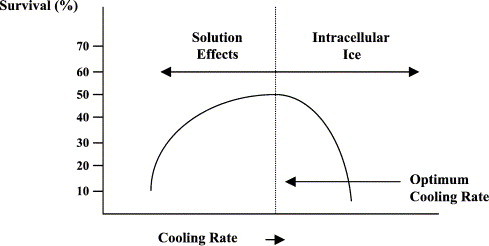
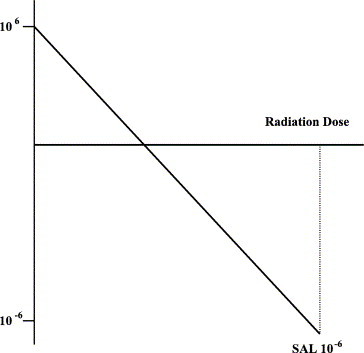
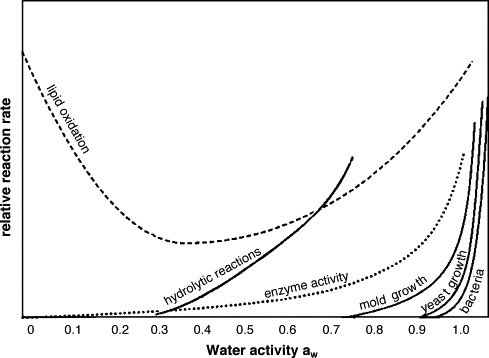
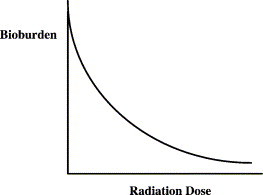
Processing methods used for banking of skin for subsequent therapeutic use depend on whether the skin is to retain viability or not. For viable skin grafts, sterilisation techniques cannot be applied, however antibiotics and antimycotics may be used to disinfect the tissue with respect to bacteria and fungi. Nevertheless, strict standards are applied to avoid disease transmission from donor to recipient involving donor medical history, donor testing for viral diseases, aseptic retrieval and processing, and control of storage temperature. Cryopreservation is the preferred method for long term storage of viable skin grafts. If viability is not required, then additional long term preservation methods may be used including deep-freezing, freeze-drying or high concentration solute preservation. All three methods work by reducing water activity. In addition it is possible to apply certain sterilisation techniques that have been shown not to damage the tissue. It is important that sterilisation methods are validated in accordance with precise definitions of sterilisation, and for the initial levels of "bioburden" expected to be present immediately prior to application of the sterilisation method. The application of improved and refined methodologies in accordance with defined standards has ensured improved graft performance while reducing risk to the recipient.
用于储存皮肤以供后续治疗使用的处理方法取决于皮肤是否要保持活力。对于有活力的皮肤移植物,不能应用灭菌技术,但是抗生素和抗真菌剂可用于对组织进行细菌和真菌消毒。然而,要遵循严格的标准以避免疾病从供体传播给受体,这涉及供体病史、供体病毒疾病检测、无菌获取和处理以及储存温度控制。冷冻保存是长期储存有活力皮肤移植物的首选方法。如果不需要保持活力,那么可以使用其他长期保存方法,包括深度冷冻、冷冻干燥或高浓度溶质保存。所有这三种方法都是通过降低水分活性来起作用的。此外,可以应用某些已证明不会损害组织的灭菌技术。重要的是,灭菌方法要根据精确的灭菌定义以及在应用灭菌方法之前预期存在的初始“生物负荷”水平进行验证。按照既定标准应用改进和完善的方法确保了移植物性能的提高,同时降低了受体的风险。