Shanks G Dennis, Hay Simon I, Omumbo Judy A, Snow Robert W
US Army Medical Research Unit-Kenya, Nairobi, Kenya.
Emerg Infect Dis. 2005 Sep;11(9):1425-32. doi: 10.3201/eid1109.041131.
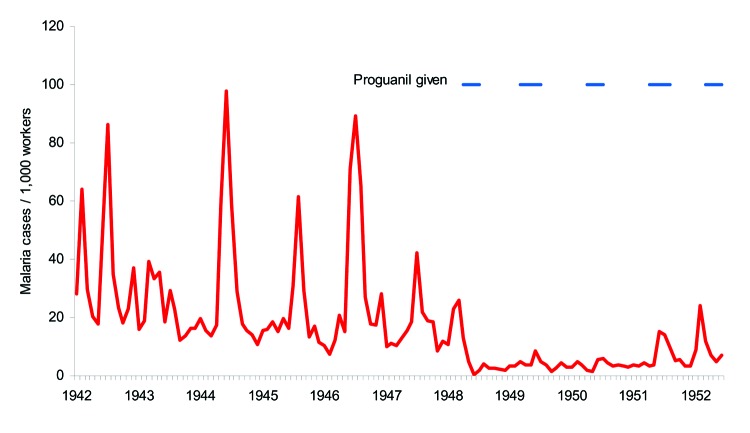
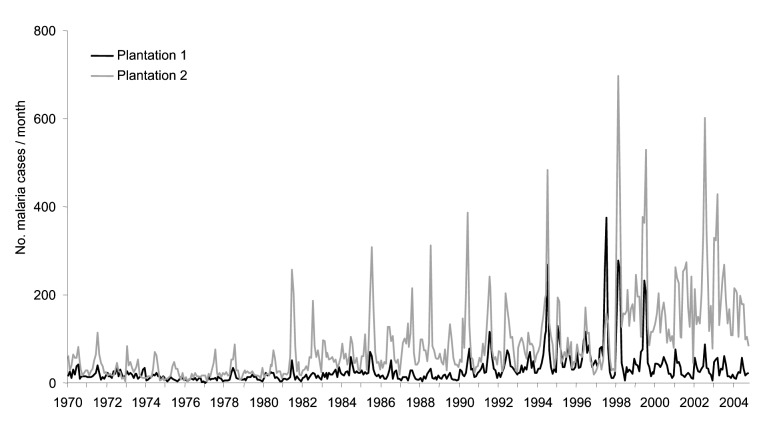
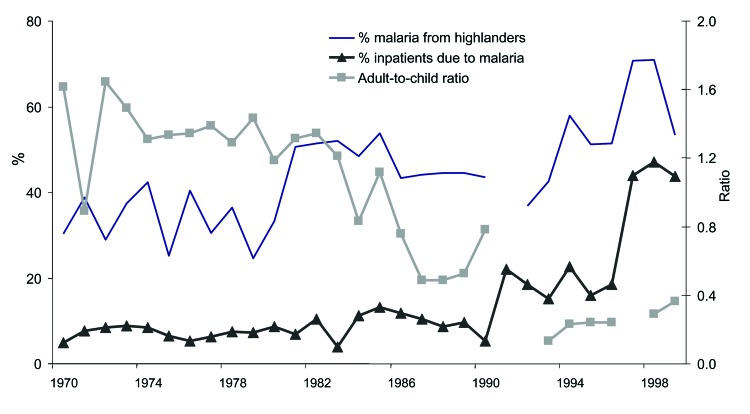
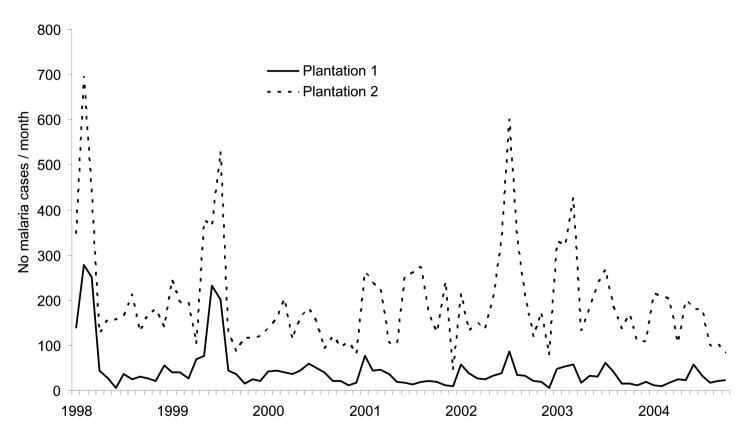
Records from tea estates in the Kericho district in Kenya show that malaria reemerged in the 1980s. Renewed epidemic activity coincided with the emergence of chloroquine-resistant Plasmodium falciparum malaria and may have been triggered by the failure of antimalarial drugs. Meteorologic changes, population movements, degradation of health services, and changes in Anopheles vector populations are possible contributing factors. The highland malaria epidemics of the 1940s were stopped largely by sporontocidal drugs, and combination chemotherapy has recently limited transmission. Antimalarial drugs can limit the pool of gametocytes available to infect mosquitoes during the brief transmission season.
肯尼亚克里乔区茶园的记录显示,疟疾在20世纪80年代再度出现。疫情活动的重新抬头与耐氯喹恶性疟原虫疟疾的出现同时发生,可能是由抗疟药物失效引发的。气象变化、人口流动、卫生服务的退化以及按蚊媒介种群的变化都可能是促成因素。20世纪40年代的高地疟疾流行主要通过杀孢子剂药物得以遏制,联合化疗最近也限制了传播。抗疟药物可以在短暂的传播季节限制可供感染蚊子的配子体库。