Mannering Stuart I, Harrison Leonard C, Williamson Nicholas A, Morris Jessica S, Thearle Daniel J, Jensen Kent P, Kay Thomas W H, Rossjohn Jamie, Falk Ben A, Nepom Gerald T, Purcell Anthony W
Autoimmunity and Transplantation Division, The Walter and Eliza Hall Institute of Medical Research, Royal Melbourne Hospital, Parkville, Victoria, Australia.
J Exp Med. 2005 Nov 7;202(9):1191-7. doi: 10.1084/jem.20051251. Epub 2005 Oct 31.
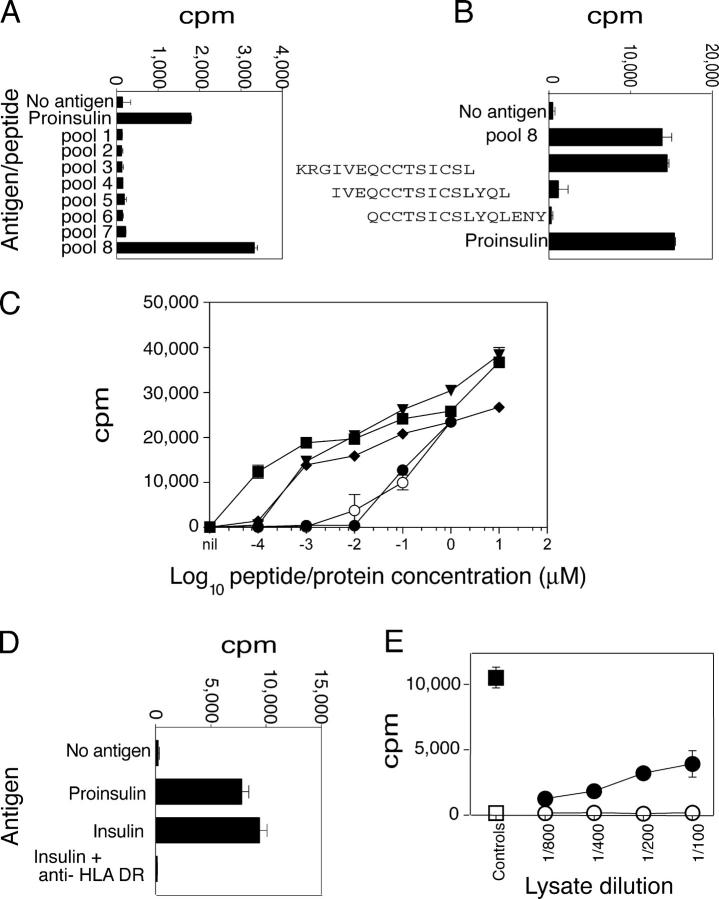
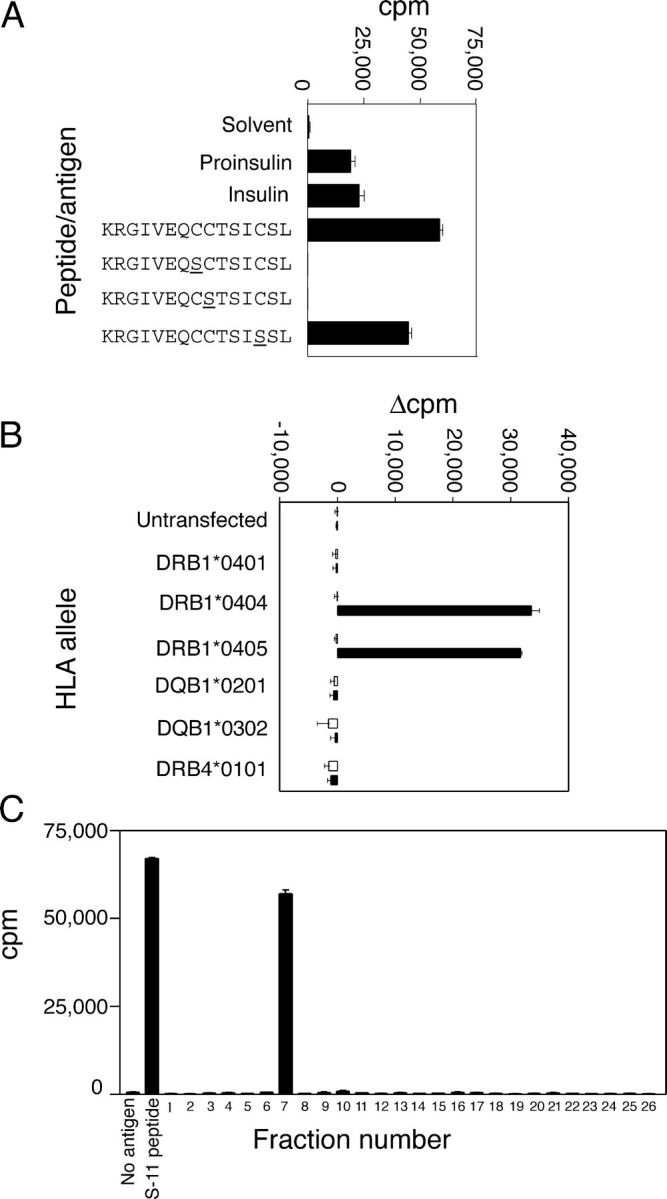
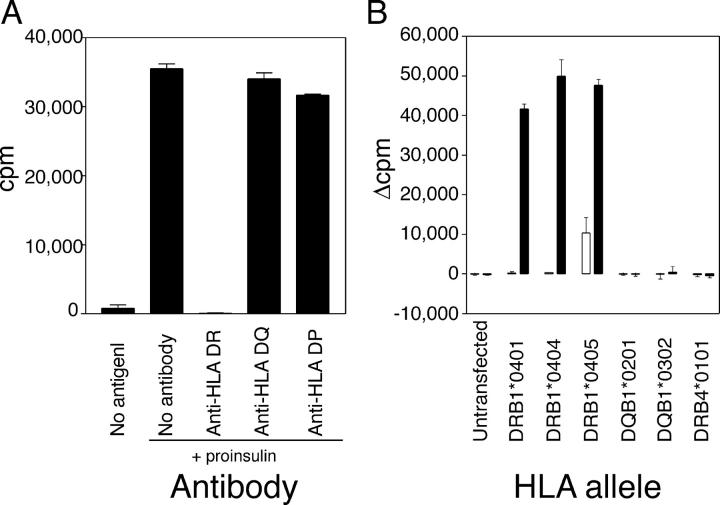
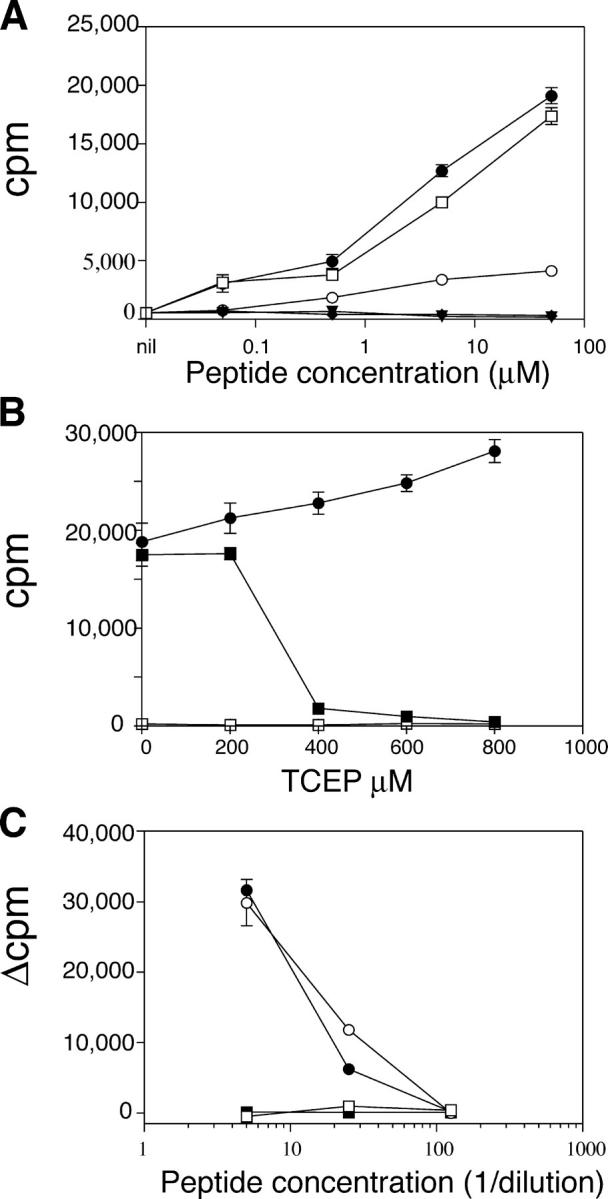
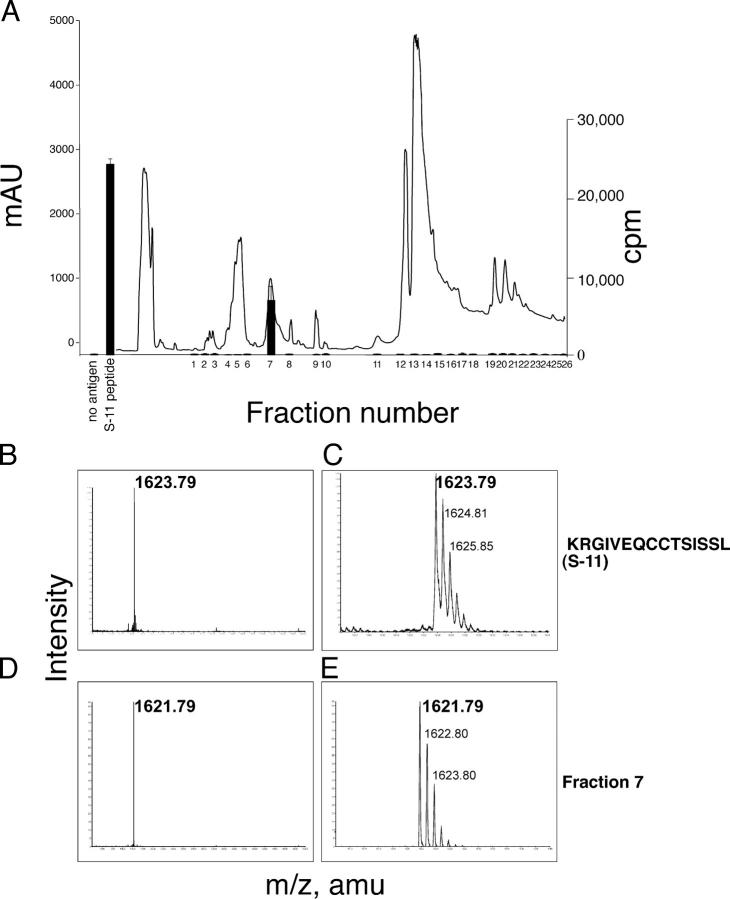
The autoimmune process that destroys the insulin-producing pancreatic beta cells in type 1 diabetes (T1D) is targeted at insulin and its precursor, proinsulin. T cells that recognize the proximal A-chain of human insulin were identified recently in the pancreatic lymph nodes of subjects who had T1D. To investigate the specificity of proinsulin-specific T cells in T1D, we isolated human CD4(+) T cell clones to proinsulin from the blood of a donor who had T1D. The clones recognized a naturally processed, HLA DR4-restricted epitope within the first 13 amino acids of the A-chain (A1-13) of human insulin. T cell recognition was dependent on the formation of a vicinal disulfide bond between adjacent cysteine residues at A6 and A7, which did not alter binding of the peptide to HLA DR4. CD4(+) T cell clones that recognized this epitope were isolated from an HLA DR4(+) child with autoantibodies to insulin, and therefore, at risk for T1D, but not from two healthy HLA DR4(+) donors. We define for the first time a novel posttranslational modification that is required for T cell recognition of the insulin A-chain in T1D.
1型糖尿病(T1D)中破坏产生胰岛素的胰腺β细胞的自身免疫过程以胰岛素及其前体胰岛素原作为靶点。最近在患有T1D的受试者的胰腺淋巴结中发现了识别人类胰岛素近端A链的T细胞。为了研究T1D中胰岛素原特异性T细胞的特异性,我们从一名患有T1D的供体血液中分离出针对胰岛素原的人CD4(+) T细胞克隆。这些克隆识别出人类胰岛素A链(A1-13)前13个氨基酸内一个天然加工的、HLA DR4限制性表位。T细胞识别依赖于A6和A7处相邻半胱氨酸残基之间形成的邻位二硫键,这并未改变该肽与HLA DR4的结合。识别该表位的CD4(+) T细胞克隆是从一名有胰岛素自身抗体、因此有患T1D风险的HLA DR4(+)儿童中分离出来的,而不是从两名健康的HLA DR4(+)供体中分离出来的。我们首次定义了一种新的翻译后修饰,它是T1D中T细胞识别胰岛素A链所必需的。