
与印度白内障手术后急性眼内炎暴发相关的铜绿假单胞菌菌株的高分辨率基因分型
High-resolution genotyping of Pseudomonas aeruginosa strains linked to acute post cataract surgery endophthalmitis outbreaks in India.
作者信息
Kenchappa Prashanth, Sangwan Virender S, Ahmed Niyaz, Rao K Rajender, Pathengay Avinash, Mathai Annie, Mansoori Tarannum, Das Taraprasad, Hasnain Seyed E, Sharma Savitri
机构信息
Pathogen Evolution Group, Centre for DNA Fingerprinting and Diagnostics (CDFD), Nacharam, Hyderabad, India.
出版信息
Ann Clin Microbiol Antimicrob. 2005 Dec 12;4:19. doi: 10.1186/1476-0711-4-19.
BACKGROUND
Investigation of two independent outbreaks of post cataract surgery endophthalmitis identified the reservoir of epidemic strains of P. aeruginosa.
METHODS
Patient isolates cultured from vitreous fluid of all the nine cases and from the peripheral devices of phacoemulsification machine were subjected to high-resolution Fluorescent Amplified Fragment Length Polymorphism (FAFLP) analysis.
RESULTS
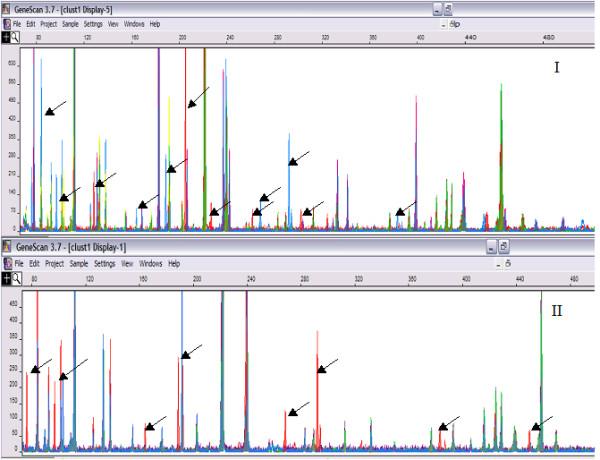
FAFLP based genotyping of the isolates confirmed nosocomial transmission. Although biochemical characterization and antibiotic susceptibility profiles grouped all the isolates together, FAFLP based genotyping revealed that, all the outbreak isolates were derived from 2 different strains, with independent origins. One group of isolates was traced to phacoprobe and the second one to the internal tubing system of the phacoemulsification machine used in cataract surgery. In silico analysis indicated possible evolution in both the clusters of P. aeruginosa isolates due to genetic polymorphisms. The polymorphisms were mapped to gene products (cell envelope, outer membrane proteins) possibly having significant role in pathogenesis.
CONCLUSION
The present study is probably the first one to apply FAFLP typing successfully to investigate outbreaks of postoperative endophthalmitis (POE) in an ophthalmic setting, which was able to identify the source, and helped to make rational decisions on sterilization procedures that halted more cases of infection in these hospitals.
背景
对两起独立的白内障手术后眼内炎暴发事件进行调查,确定了铜绿假单胞菌流行菌株的储存库。
方法
对从所有9例患者的玻璃体液以及超声乳化仪的周边设备培养出的分离株进行高分辨率荧光扩增片段长度多态性(FAFLP)分析。
结果
基于FAFLP的分离株基因分型证实了医院内传播。尽管生化特征和抗生素敏感性谱将所有分离株归为一类,但基于FAFLP的基因分型显示,所有暴发分离株均来自2种不同菌株,起源独立。一组分离株追溯到超声探头,另一组追溯到白内障手术中使用的超声乳化仪的内部管道系统。计算机分析表明,由于基因多态性,铜绿假单胞菌分离株的两个簇可能发生了进化。这些多态性定位于可能在发病机制中起重要作用的基因产物(细胞膜、外膜蛋白)。
结论
本研究可能是首次成功应用FAFLP分型来调查眼科环境中术后眼内炎(POE)的暴发事件,该研究能够确定感染源,并有助于就消毒程序做出合理决策,从而在这些医院阻止了更多感染病例的发生。


 Zotero 插件