Iredale J P, Murphy G, Hembry R M, Friedman S L, Arthur M J
Department of Medicine II, University of Southampton, United Kingdom.
J Clin Invest. 1992 Jul;90(1):282-7. doi: 10.1172/JCI115850.
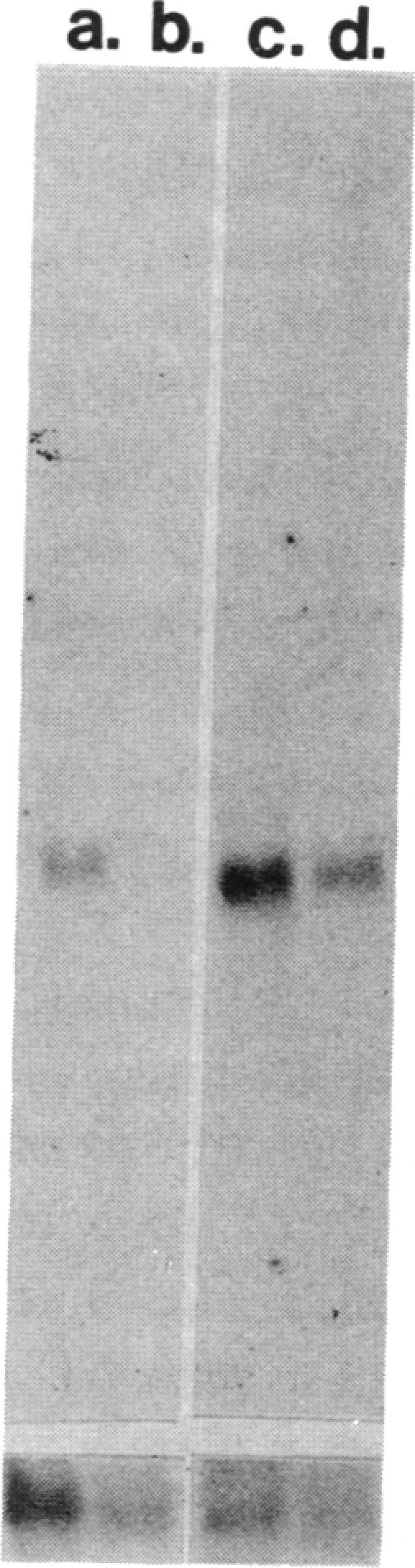
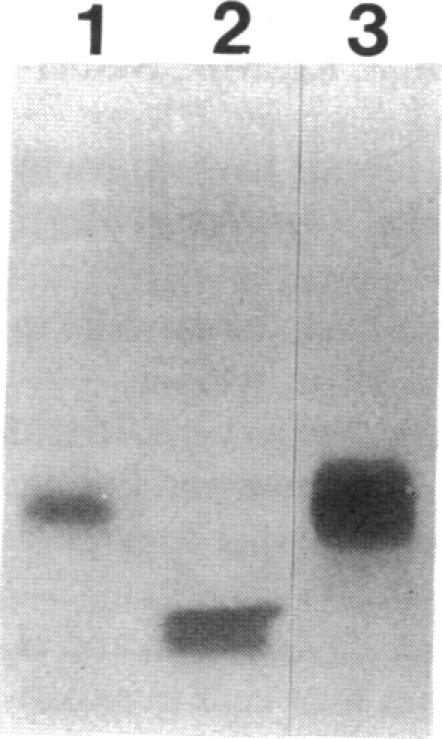
Hepatic lipocytes play a central role in the pathogenesis of liver fibrosis, both via production of extracellular matrix proteins and through secretion of matrix metalloproteinases. In this study, we have characterized lipocyte expression and release of tissue inhibitor of metalloproteinases-1 (TIMP-1), an important inhibitor of metalloproteinase activity, whose role in liver has not previously been examined. TIMP-1 was immunolocalized to human lipocytes, and secretion of TIMP-1 was confirmed by ELISA of culture media; (mean +/- SD) 159 +/- 79 ng of TIMP-1/10(6) cells per 24 h. Evidence for functional inhibitory activity of released TIMP-1 was obtained by (a) reverse zymography that demonstrated a single inhibitor band, M(r) 28 kD, that co-migrated with a TIMP-1-positive control sample; and (b) unmasking of inhibited gelatinase activity in lipocyte medium by separating it from TIMP-1 using gelatin sepharose chromatography; gelatinase activity in chromatographed medium increased more than 20-fold, compared with unfractionated medium, and could be reinhibited by adding back fractions that contained inhibitor. By Northern analysis, freshly isolated human lipocytes exhibited low levels of mRNA expression for TIMP-1, but this increased markedly relative to beta-actin expression with lipocyte activation during cell culture. We conclude that human hepatic lipocytes synthesize TIMP-1, a potent metalloproteinase inhibitor, and that TIMP-1 expression increases with lipocyte activation. These data indicate that hepatic lipocytes can regulate matrix degradation in the liver, and suggest that expression of TIMP-1 by activated lipocytes may contribute to the progression of liver fibrosis.
肝脂肪细胞在肝纤维化发病机制中起核心作用,这既通过细胞外基质蛋白的产生,也通过基质金属蛋白酶的分泌来实现。在本研究中,我们已对金属蛋白酶组织抑制剂 -1(TIMP-1)在脂肪细胞中的表达和释放进行了特性分析,TIMP-1是金属蛋白酶活性的一种重要抑制剂,其在肝脏中的作用此前尚未得到研究。TIMP-1通过免疫定位到人类脂肪细胞,并且通过对培养基进行酶联免疫吸附测定(ELISA)证实了TIMP-1的分泌;(均值±标准差)每24小时每10⁶个细胞分泌159±79 ng的TIMP-1。通过以下方式获得了释放的TIMP-1具有功能抑制活性的证据:(a)反向酶谱分析显示一条单一的抑制剂条带,分子量(M(r))为28 kD,它与TIMP-1阳性对照样品共同迁移;(b)使用明胶琼脂糖凝胶色谱法将脂肪细胞培养基中的TIMP-1分离后,使被抑制的明胶酶活性得以恢复;与未分级的培养基相比,经色谱分离的培养基中的明胶酶活性增加了20多倍,并且通过添加含有抑制剂的组分可再次被抑制。通过Northern分析,新鲜分离的人类脂肪细胞显示出低水平的TIMP-1 mRNA表达,但在细胞培养过程中随着脂肪细胞活化,相对于β-肌动蛋白表达,这种表达显著增加。我们得出结论,人类肝脂肪细胞合成TIMP-1,一种有效的金属蛋白酶抑制剂,并且TIMP-1表达随着脂肪细胞活化而增加。这些数据表明肝脂肪细胞可以调节肝脏中的基质降解,并提示活化的脂肪细胞表达TIMP-1可能有助于肝纤维化的进展。