Laboratoire de Biologie des Sols, U.A. Centre National de la Recherche Scientifique 697, Bâtiment 741, Université Lyon 1, Villeurbanne F-69622 Cedex, and Station d' Amélioration des Arbres Forestiers, Institut National de la Recherche Agronomique, Orléans, Ardon F-45160 Olivet, France.
Appl Environ Microbiol. 1988 Oct;54(10):2500-3. doi: 10.1128/aem.54.10.2500-2503.1988.
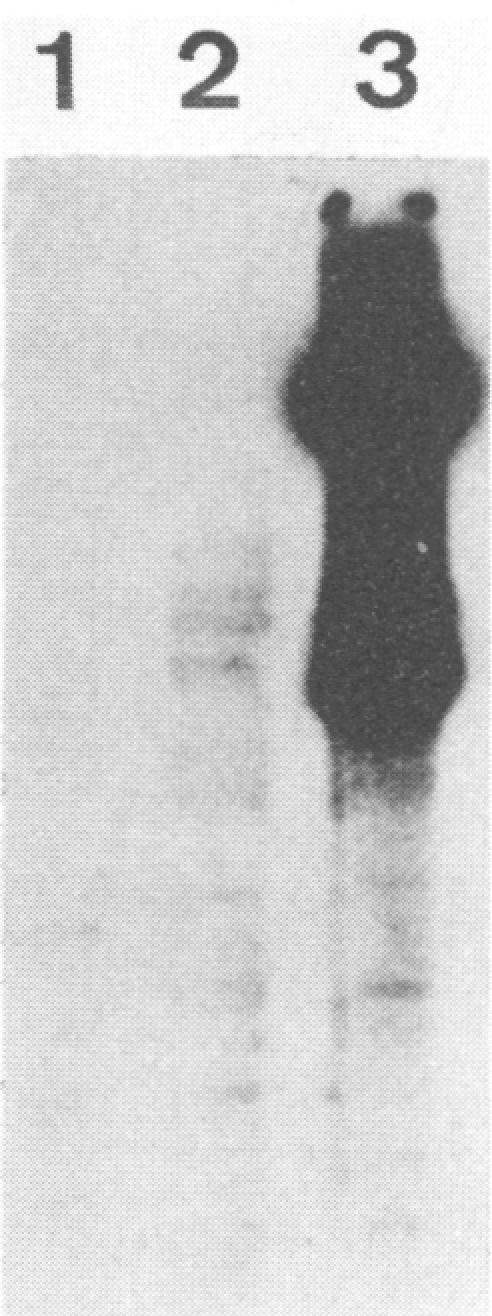
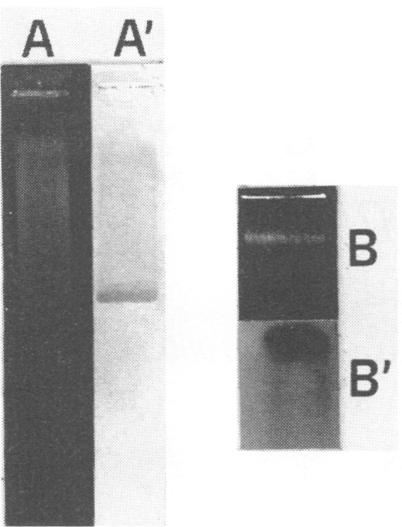
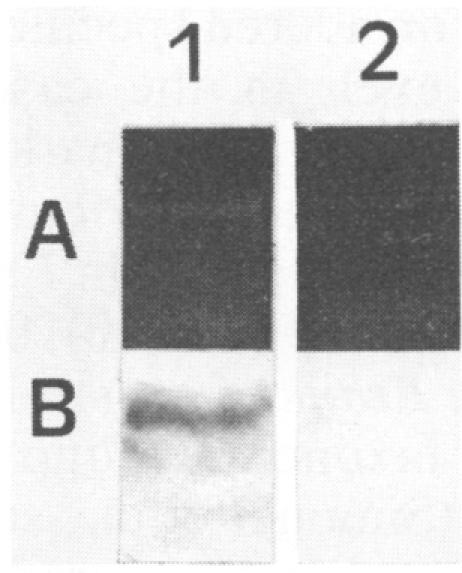
A hybridization procedure was developed to identify Frankia strains inside actinorhizae by direct probing of crushed root nodules. The probe consisted of an indigenous cryptic plasmid. This well-conserved, 8-kilobase plasmid was detected in Frankia isolates that were very close taxonomically (they possessed a very high DNA sequence homology). The probe did not hybridize to the DNA of Frankia isolates which did not carry the plasmid. Endophyte DNA was extracted by a modification of a technique originally developed for the detection of plasmids in Frankia isolates. The hybridization procedure applied to nodules collected in a stand of alder permitted determination of a distribution map of the plasmid-bearing Frankia strains.
建立了一种杂交程序,通过直接探测压碎的根瘤来鉴定放线菌根瘤中的弗兰克氏菌菌株。该探针由一个本土的隐秘质粒组成。这个高度保守的 8 千碱基对的质粒在在分类上非常接近的弗兰克氏菌分离物中被检测到(它们具有非常高的 DNA 序列同源性)。该探针与不携带质粒的弗兰克氏菌分离物的 DNA 不杂交。内共生体 DNA 通过对最初为检测弗兰克氏菌分离物中的质粒而开发的技术的修改提取。应用于在桤木林中收集的根瘤的杂交程序允许确定携带质粒的弗兰克氏菌菌株的分布图。