Patel P H, Chaganti R S K, Motzer R J
Department of Medicine, Memorial Sloan-Kettering Cancer Center, 1275 York Avenue, New York, NY 10021, USA.
Br J Cancer. 2006 Mar 13;94(5):614-9. doi: 10.1038/sj.bjc.6602978.
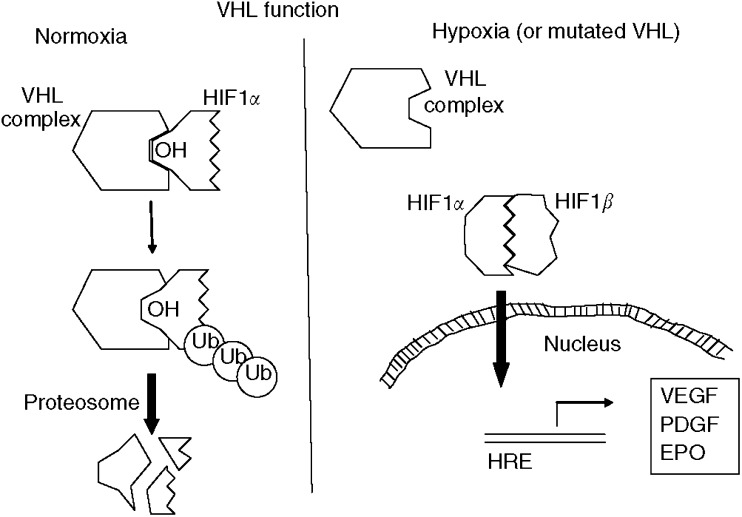
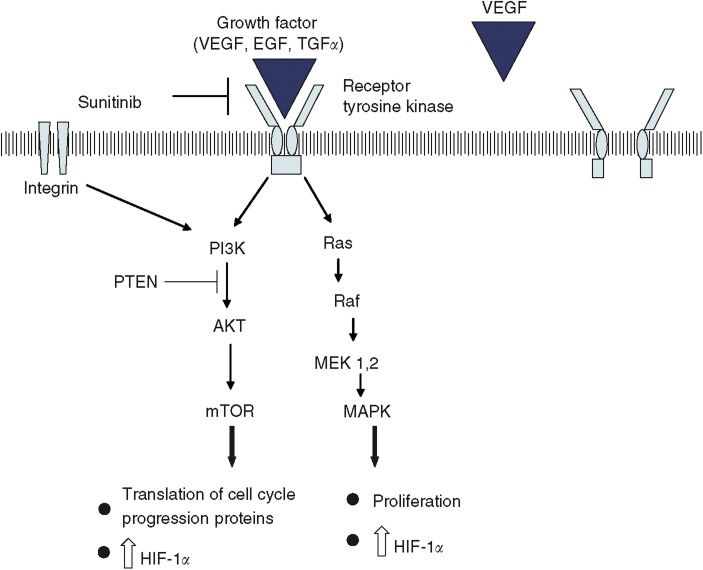
Metastatic renal cell carcinoma (RCC) has historically been refractory to cytotoxic and hormonal agents; only interleukin 2 and interferon alpha provide response in a minority of patients. We reviewed RCC biology and explored the ways in which this understanding led to development of novel, effective targeted therapies. Small molecule tyrosine kinase inhibitors, monoclonal antibodies and novel agents are all being studied, and phase II studies show promising activity of sunitinib, sorafenib and bevacizumab. The results of phase III studies will determine the role of these agents in metastatic RCC.
转移性肾细胞癌(RCC)在历史上对细胞毒性药物和激素药物均具有耐药性;只有白细胞介素2和α干扰素能使少数患者产生反应。我们回顾了肾细胞癌的生物学特性,并探讨了基于这一认识开发新型有效靶向治疗方法的途径。小分子酪氨酸激酶抑制剂、单克隆抗体及新型药物均在研究之中,II期研究显示舒尼替尼、索拉非尼和贝伐单抗具有良好的活性。III期研究结果将确定这些药物在转移性肾细胞癌治疗中的作用。