Anderson Jennifer M, Oliveira Fabiano, Kamhawi Shaden, Mans Ben J, Reynoso David, Seitz Amy E, Lawyer Phillip, Garfield Mark, Pham Myvan, Valenzuela Jesus G
Laboratory of Malaria and Vector Research, NIAID, NIH, USA.
BMC Genomics. 2006 Mar 15;7:52. doi: 10.1186/1471-2164-7-52.
Immune responses to sandfly saliva have been shown to protect animals against Leishmania infection. Yet very little is known about the molecular characteristics of salivary proteins from different sandflies, particularly from vectors transmitting visceral leishmaniasis, the fatal form of the disease. Further knowledge of the repertoire of these salivary proteins will give us insights into the molecular evolution of these proteins and will help us select relevant antigens for the development of a vector based anti-Leishmania vaccine.
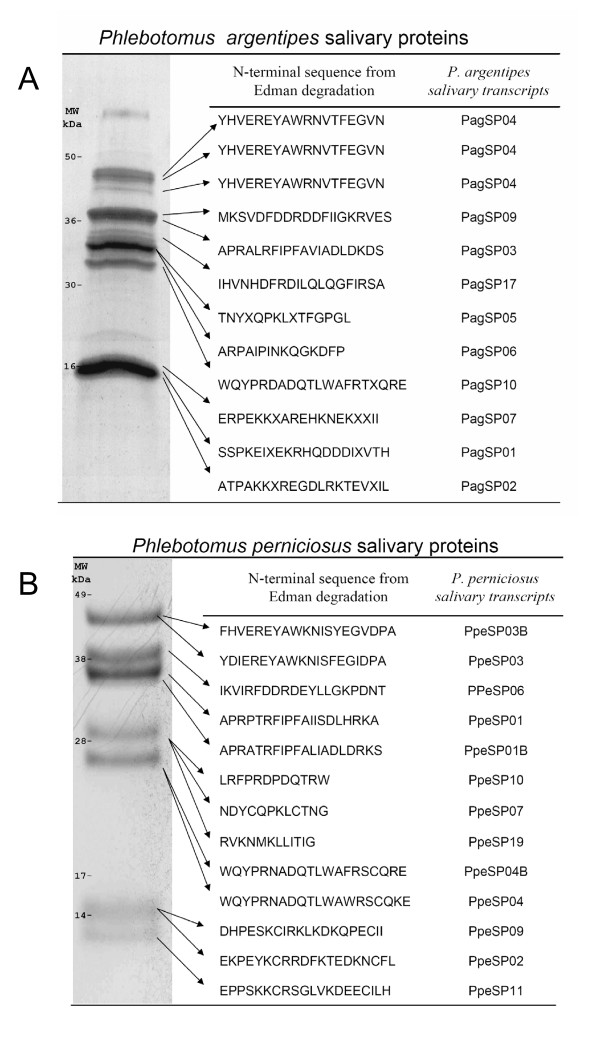
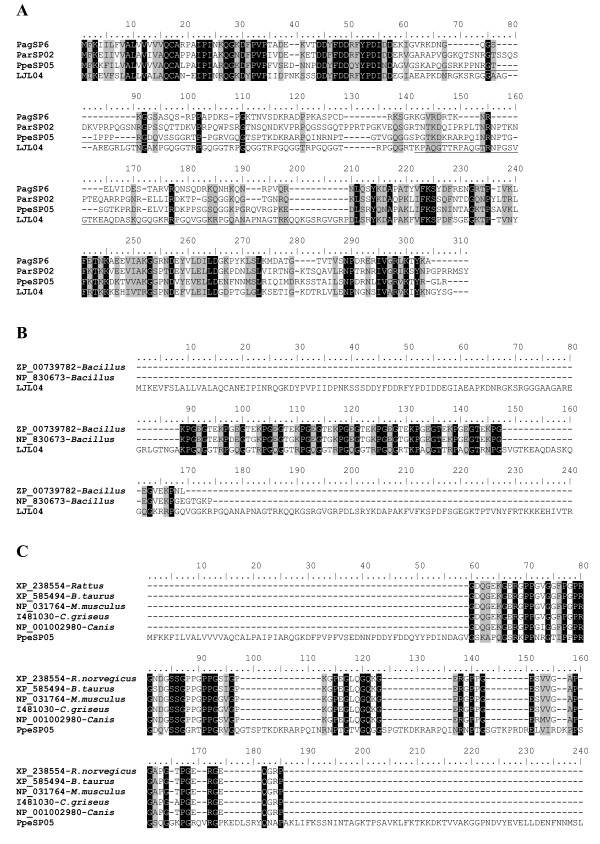
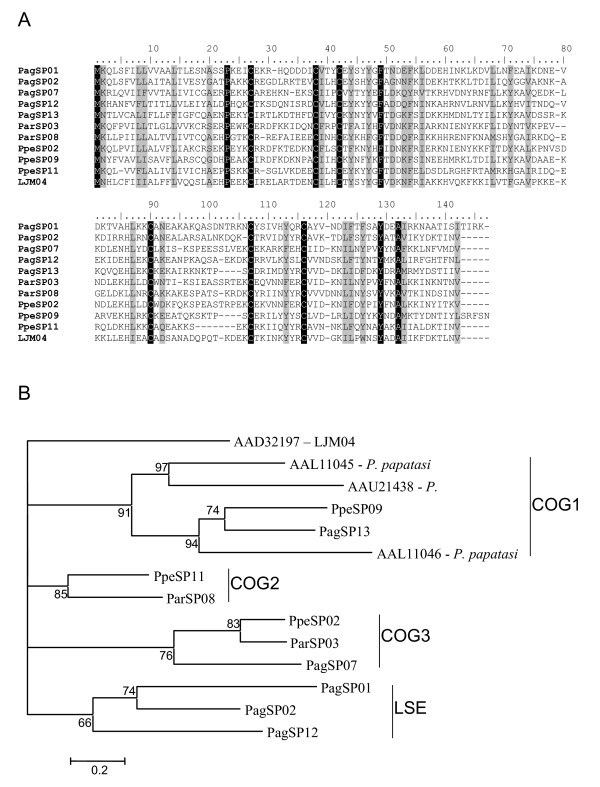
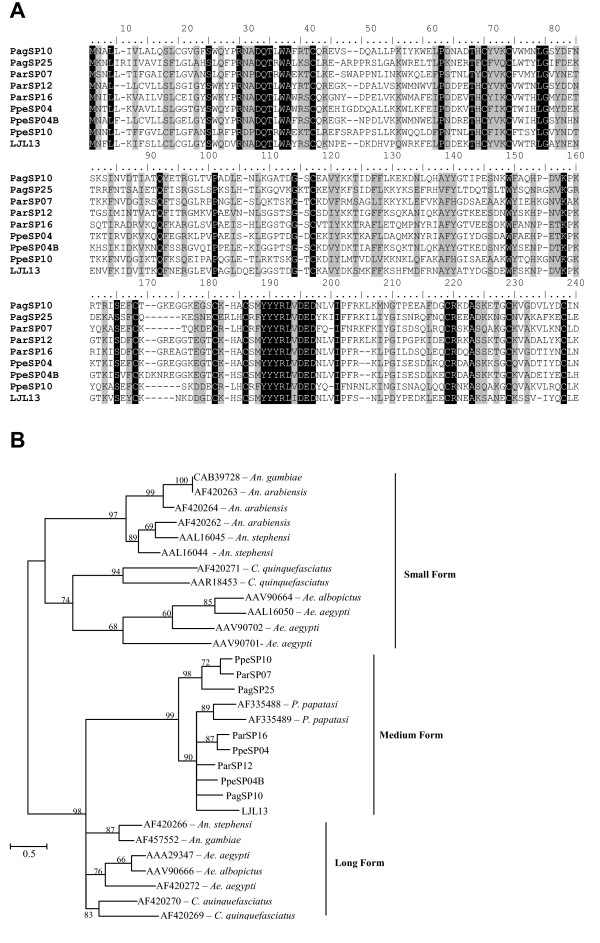
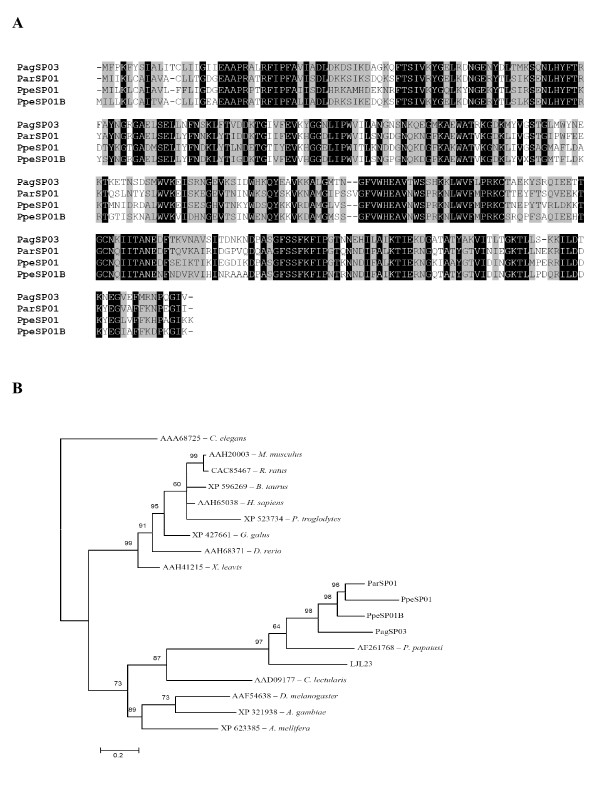
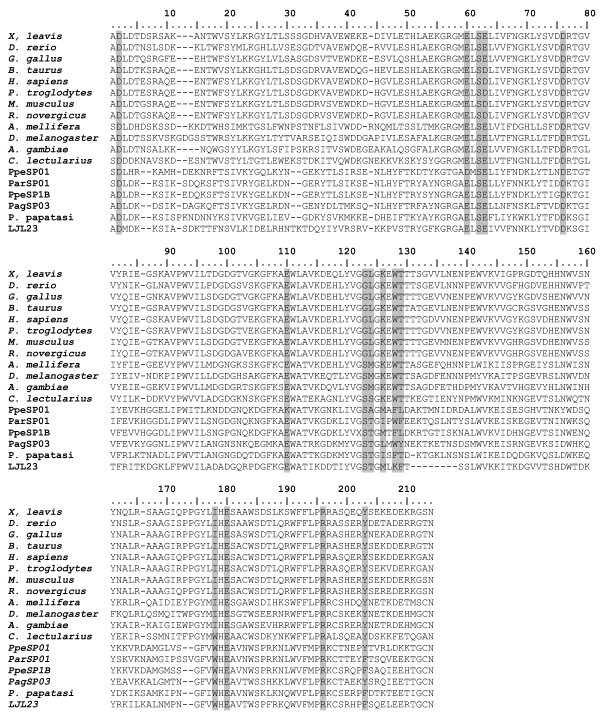
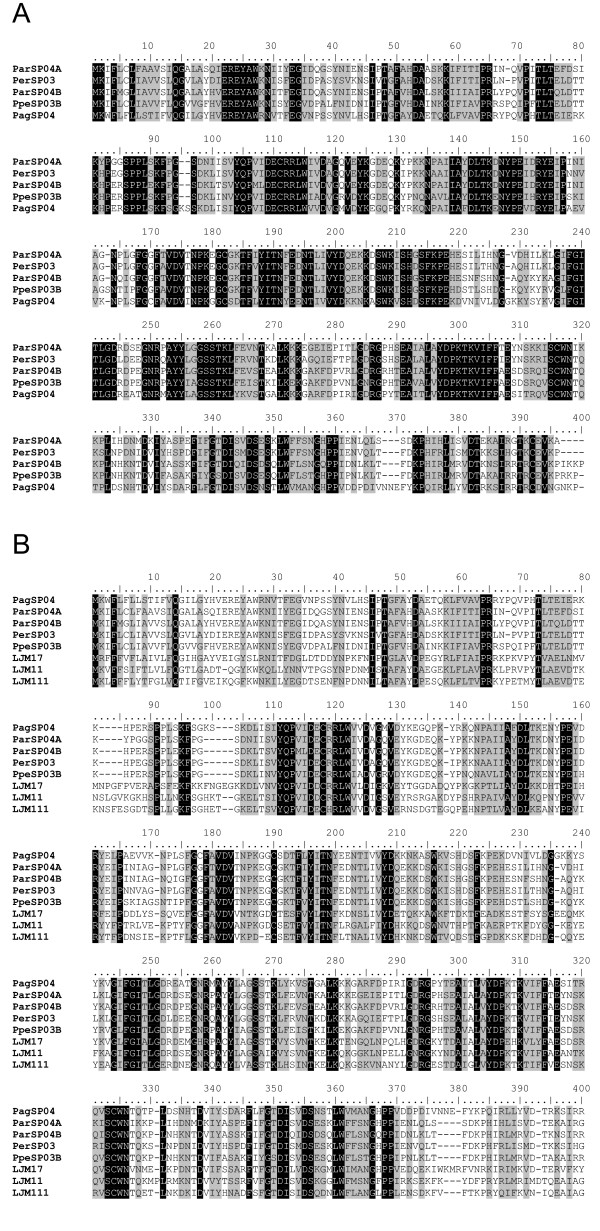
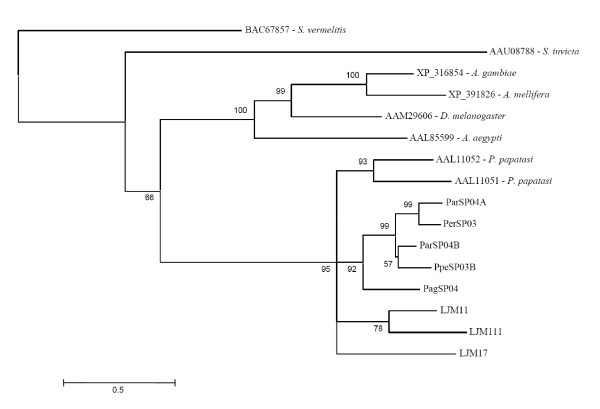
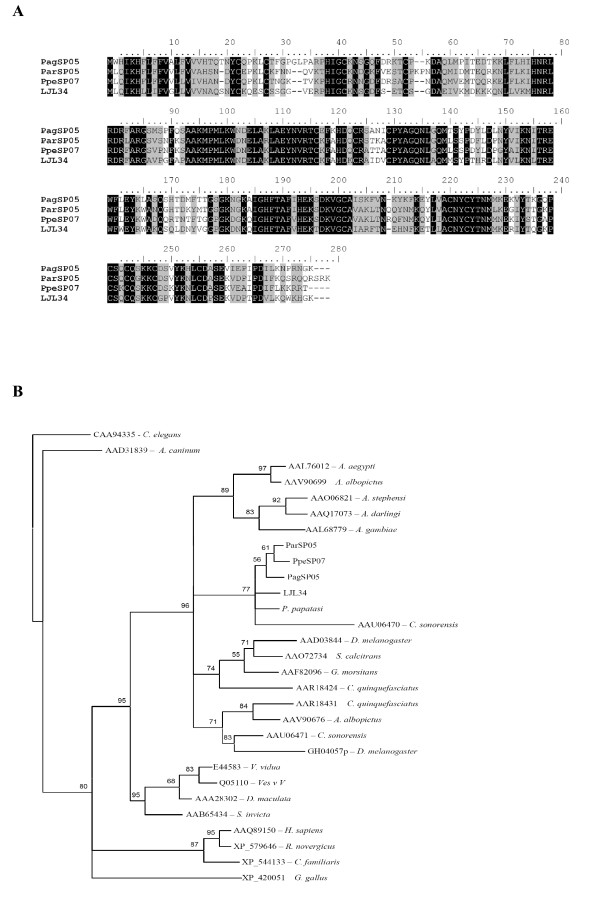
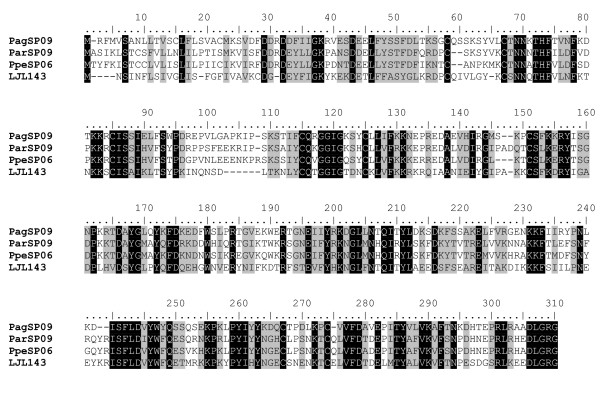
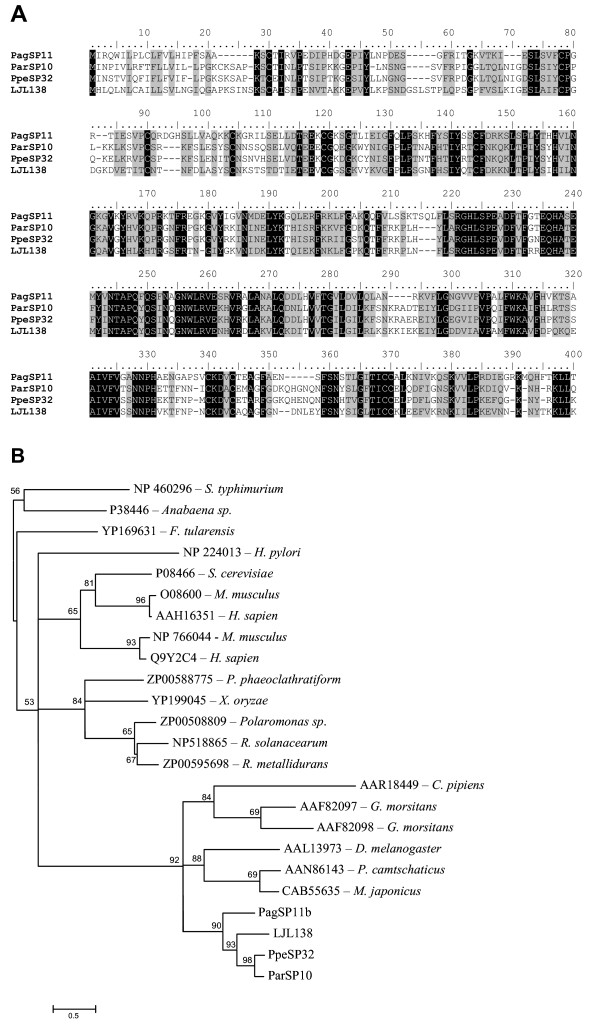
Two salivary gland cDNA libraries from female sandflies Phlebotomus argentipes and P. perniciosus were constructed, sequenced and proteomic analysis of the salivary proteins was performed. The majority of the sequenced transcripts from the two cDNA libraries coded for secreted proteins. In this analysis we identified transcripts coding for protein families not previously described in sandflies. A comparative sandfly salivary transcriptome analysis was performed by using these two cDNA libraries and two other sandfly salivary gland cDNA libraries from P. ariasi and Lutzomyia longipalpis, also vectors of visceral leishmaniasis. Full-length secreted proteins from each sandfly library were compared using a stand-alone version of BLAST, creating formatted protein databases of each sandfly library. Related groups of proteins from each sandfly species were combined into defined families of proteins. With this comparison, we identified families of salivary proteins common among all of the sandflies studied, proteins to be genus specific and proteins that appear to be species specific. The common proteins included apyrase, yellow-related protein, antigen-5, PpSP15 and PpSP32-related protein, a 33-kDa protein, D7-related protein, a 39- and a 16.1- kDa protein and an endonuclease-like protein. Some of these families contained multiple members, including PPSP15-like, yellow proteins and D7-related proteins suggesting gene expansion in these proteins.
This comprehensive analysis allows us the identification of genus- specific proteins, species-specific proteins and, more importantly, proteins common among these different sandflies. These results give us insights into the repertoire of salivary proteins that are potential candidates for a vector-based vaccine.
已证明对白蛉唾液的免疫反应可保护动物免受利什曼原虫感染。然而,对于不同白蛉唾液蛋白的分子特征,尤其是传播内脏利什曼病(该疾病的致命形式)的病媒白蛉的唾液蛋白分子特征,我们知之甚少。进一步了解这些唾液蛋白的种类将有助于我们洞察这些蛋白的分子进化,并有助于我们选择相关抗原以开发基于病媒的抗利什曼原虫疫苗。
构建了来自银足白蛉和有害白蛉雌性白蛉的两个唾液腺cDNA文库,进行了测序并对唾液蛋白进行了蛋白质组学分析。两个cDNA文库中大多数测序转录本编码分泌蛋白。在该分析中,我们鉴定出了编码白蛉中先前未描述的蛋白家族的转录本。使用这两个cDNA文库以及来自阿氏白蛉和长须罗蛉(也是内脏利什曼病的病媒)的另外两个白蛉唾液腺cDNA文库进行了比较白蛉唾液转录组分析。使用独立版本的BLAST比较每个白蛉文库的全长分泌蛋白,创建每个白蛉文库的格式化蛋白质数据库。将来自每个白蛉物种的相关蛋白组组合成确定的蛋白家族。通过这种比较,我们鉴定出了所有研究白蛉中共同的唾液蛋白家族、属特异性蛋白和似乎是种特异性蛋白。共同蛋白包括腺苷三磷酸双磷酸酶、黄色相关蛋白、抗原5、PpSP15和PpSP32相关蛋白、一种33 kDa蛋白、D7相关蛋白、一种39 kDa和一种16.1 kDa蛋白以及一种类核酸内切酶蛋白。这些家族中的一些包含多个成员,包括PPSP15样、黄色蛋白和D7相关蛋白,表明这些蛋白中存在基因扩增。
这种全面分析使我们能够鉴定属特异性蛋白、种特异性蛋白,更重要地是鉴定这些不同白蛉中共同的蛋白。这些结果有助于我们了解唾液蛋白的种类,这些蛋白是基于病媒疫苗的潜在候选物。