Kunkel Louis M, Bachrach Estanislao, Bennett Richard R, Guyon Jeffrey, Steffen Leta
Howard Hughes Medical Institute, Program in Genomics, Children's Hospital, Boston, 320 Longwood Ave., 02115, MA, USA.
J Hum Genet. 2006;51(5):397-406. doi: 10.1007/s10038-006-0374-9. Epub 2006 Apr 1.
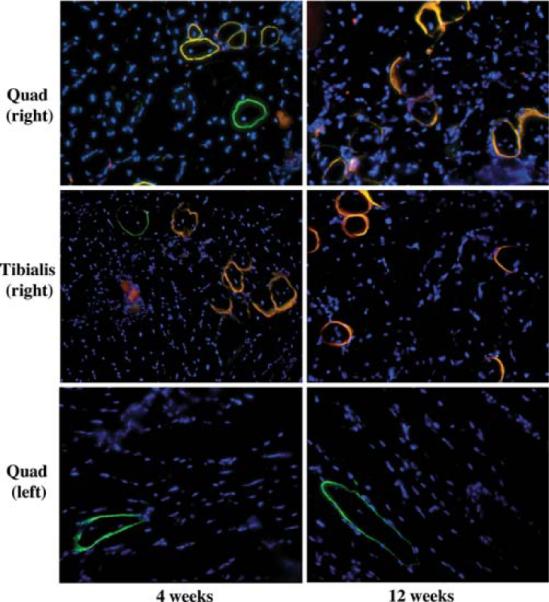
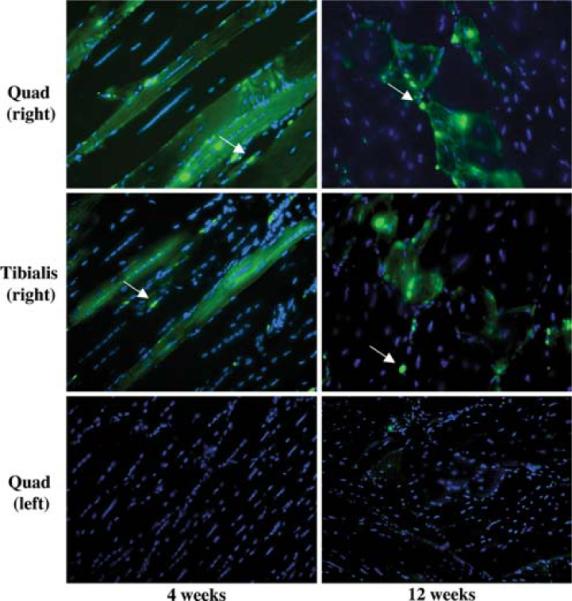
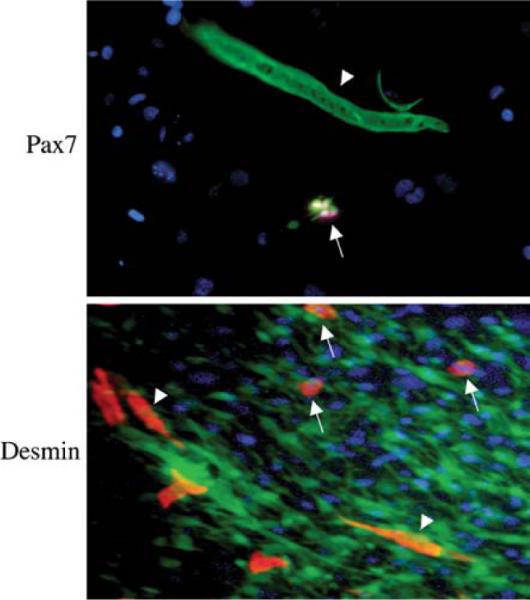
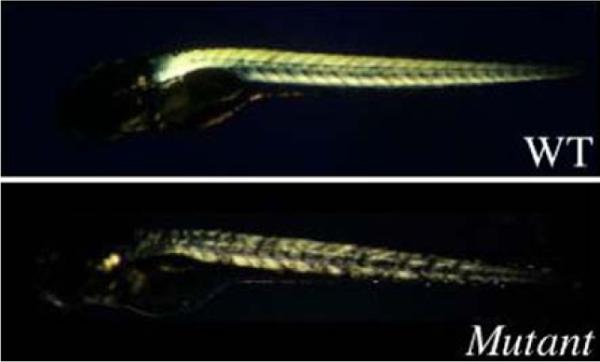
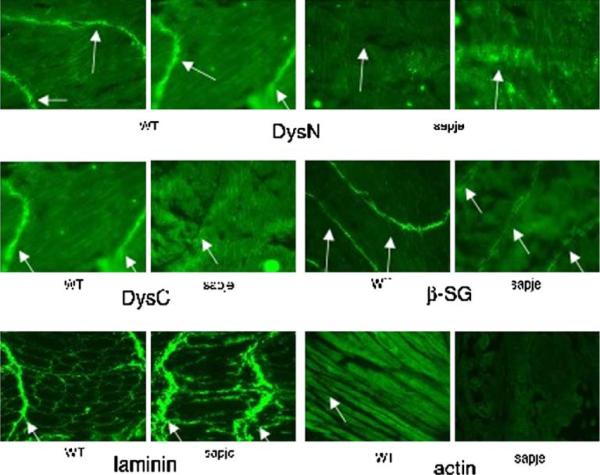
The muscular dystrophies are a heterogeneous group of genetically caused muscle degenerative disorders. The Kunkel laboratory has had a longstanding research program into the pathogenesis and treatment of these diseases. Starting with our identification of dystrophin as the defective protein in Duchenne muscular dystrophy (DMD), we have continued our work on normal dystrophin function and how it is altered in muscular dystrophy. Our work has led to the identification of the defective genes in three forms of limb girdle muscular dystrophy (LGMD) and a better understanding of how muscle degenerates in many of the different dystrophies. The identification of mutations causing human forms of dystrophy has lead to improved diagnosis for patients with the disease. We are continuing to improve the molecular diagnosis of the dystrophies and have developed a high-throughput sequencing approach for the low-cost rapid diagnosis of all known forms of dystrophy. In addition, we are continuing to work on therapies using available animal models. Currently, there are a number of mouse models of the human dystrophies, the most notable being the mdx mouse with dystrophin deficiency. These mice are being used to test possible therapies, including stem-cell-based approaches. We have been able to systemically deliver human dystrophin to these mice via the arterial circulation and convert 8% of dystrophin-deficient fibers to fibers expressing human dystrophin. We are now expanding our research to identify new forms of LGMD by analyzing zebrafish models of muscular dystrophy. Currently, we have 14 different zebrafish mutants exhibiting various phenotypes of muscular dystrophy, including muscle weakness and inactivity. One of these mutants carries a stop codon mutation in dystrophin, and we have recently identified another carrying a mutation in titin. We are currently positionally cloning the disease-causative mutation in the remaining 12 mutant strains. We hope that one of these new mutant strains of fish will have a mutation in a gene not previously implicated in human muscular dystrophy. This gene would become a candidate gene to be analyzed in patients which do not carry a mutation in any of the known dystrophy-associated genes. By studying both disease pathology and investigating potential therapies, we hope to make a positive difference in the lives of people living with muscular dystrophy.
肌营养不良症是一组由基因引起的异质性肌肉退行性疾病。孔克尔实验室长期开展针对这些疾病的发病机制和治疗方法的研究项目。从我们确定抗肌萎缩蛋白是杜兴氏肌营养不良症(DMD)中的缺陷蛋白开始,我们持续研究正常抗肌萎缩蛋白的功能以及它在肌营养不良症中是如何发生改变的。我们的工作已确定了三种类型的肢带型肌营养不良症(LGMD)中的缺陷基因,并对多种不同类型肌营养不良症中肌肉退化的机制有了更深入的了解。对导致人类肌营养不良症的突变的识别,改善了对该病患者的诊断。我们正在继续改进肌营养不良症的分子诊断方法,并开发了一种高通量测序方法,用于低成本快速诊断所有已知类型的肌营养不良症。此外,我们继续利用现有的动物模型开展治疗研究。目前,有许多人类肌营养不良症的小鼠模型,其中最著名的是缺乏抗肌萎缩蛋白的mdx小鼠。这些小鼠正被用于测试包括基于干细胞方法在内的各种可能的治疗方法。我们已经能够通过动脉循环将人类抗肌萎缩蛋白系统性地输送到这些小鼠体内,并使8%缺乏抗肌萎缩蛋白的纤维转化为表达人类抗肌萎缩蛋白的纤维。我们现在正在扩大研究范围,通过分析肌营养不良症的斑马鱼模型来识别新的LGMD类型。目前,我们有14种不同的斑马鱼突变体,表现出各种肌营养不良症的表型,包括肌肉无力和活动减少。其中一个突变体在抗肌萎缩蛋白中携带一个终止密码子突变,我们最近又发现另一个突变体在肌联蛋白中携带突变。我们目前正在对其余12个突变菌株进行致病突变的定位克隆。我们希望这些新的鱼类突变菌株中的一个,其突变基因在之前未被认为与人类肌营养不良症有关。这个基因将成为一个候选基因,用于对那些在任何已知的与肌营养不良症相关基因中均未携带突变的患者进行分析。通过研究疾病病理学并探索潜在治疗方法,我们希望能对肌营养不良症患者生活产生积极影响。