Filla Mark S, Woods Anne, Kaufman Paul L, Peters Donna M
Department of Pathology and Laboratory Medicine, University of Wisconsin, Madison 53706, USA.
Invest Ophthalmol Vis Sci. 2006 May;47(5):1956-67. doi: 10.1167/iovs.05-0626.
To characterize the molecular composition of cross-linked actin networks (CLANs) and the regulation of their formation by integrins in normal human trabecular meshwork (TM) cells. CLANs have been observed in steroid-treated and glaucomatous TM cells and have been suggested to contribute to decreased outflow facility by altering the contractility of the TM.
Immunofluorescence microscopy was used to identify molecular components of CLANs and quantitate CLAN formation in HTM cells plated on coverslips coated with various extracellular matrix (ECM) proteins (fibronectin, types I and IV collagen, and vitronectin), vascular cell adhesion molecule (VCAM)-1, or activating antibodies against beta1, beta3, or alpha2beta1 integrins. These integrin antibodies were also used as soluble ligands.
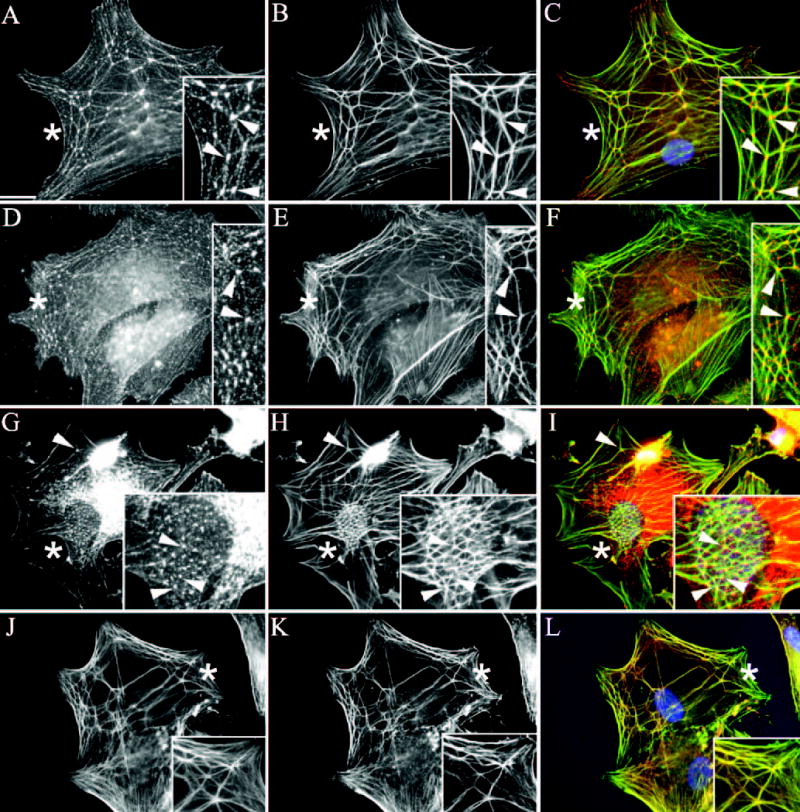
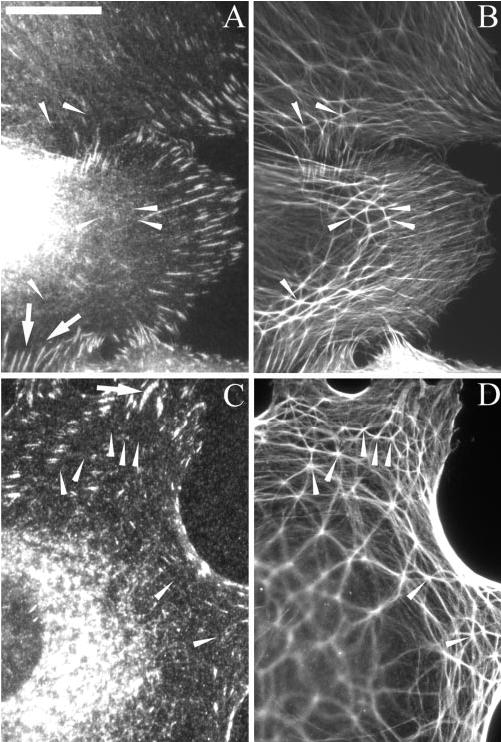
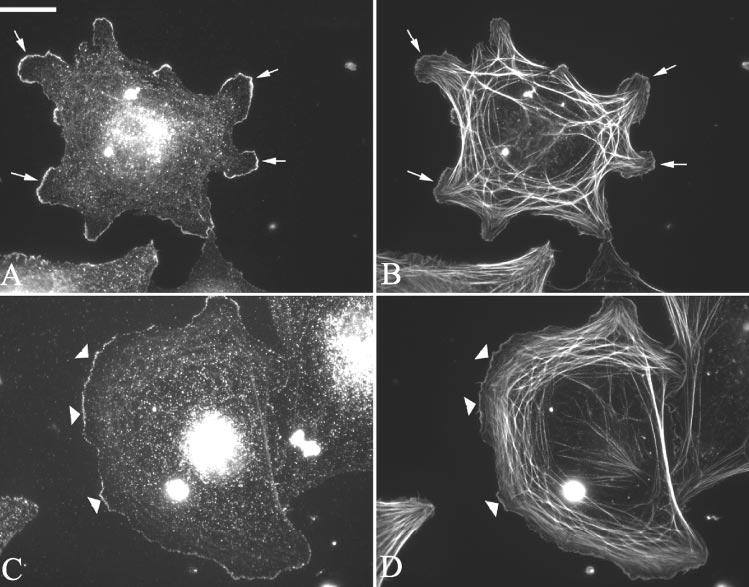
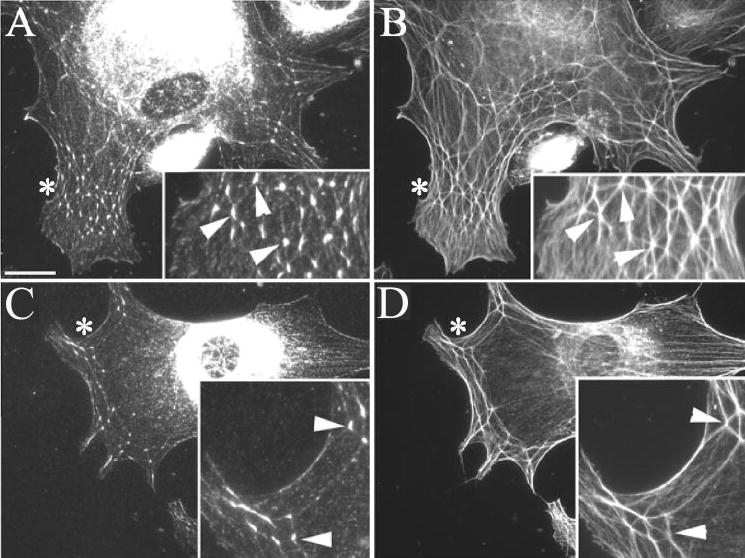
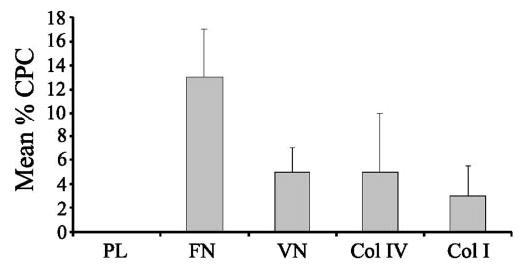
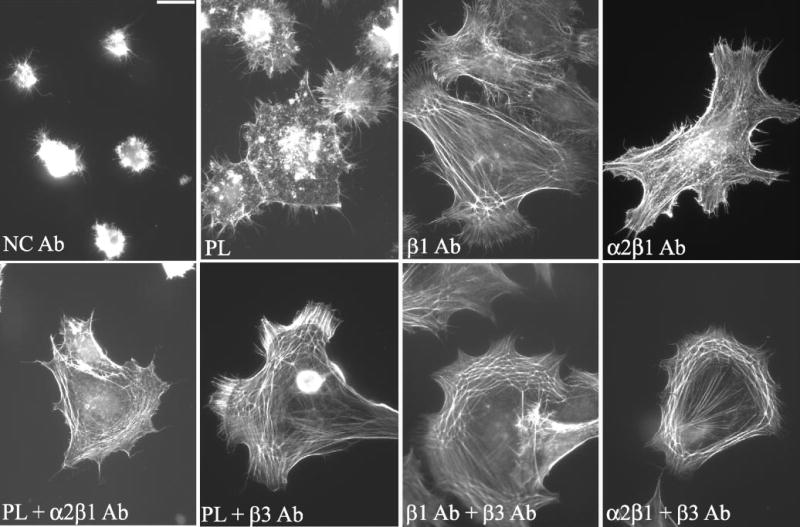
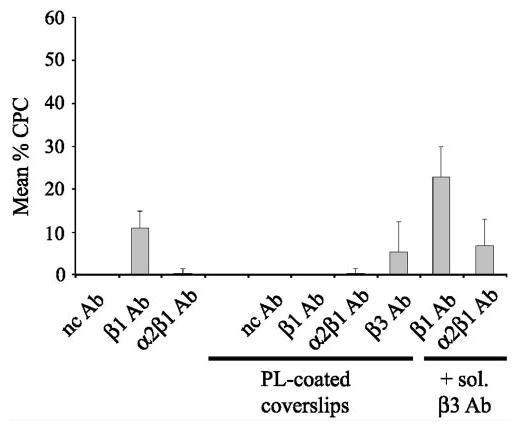
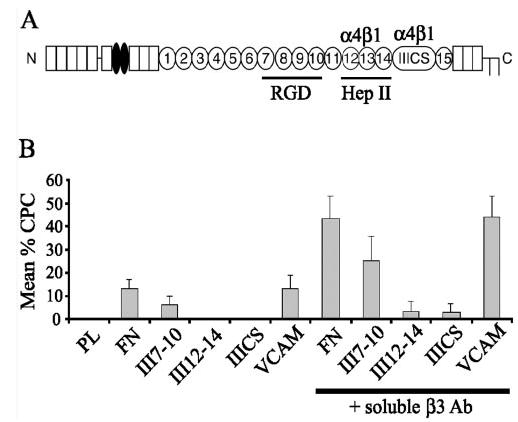
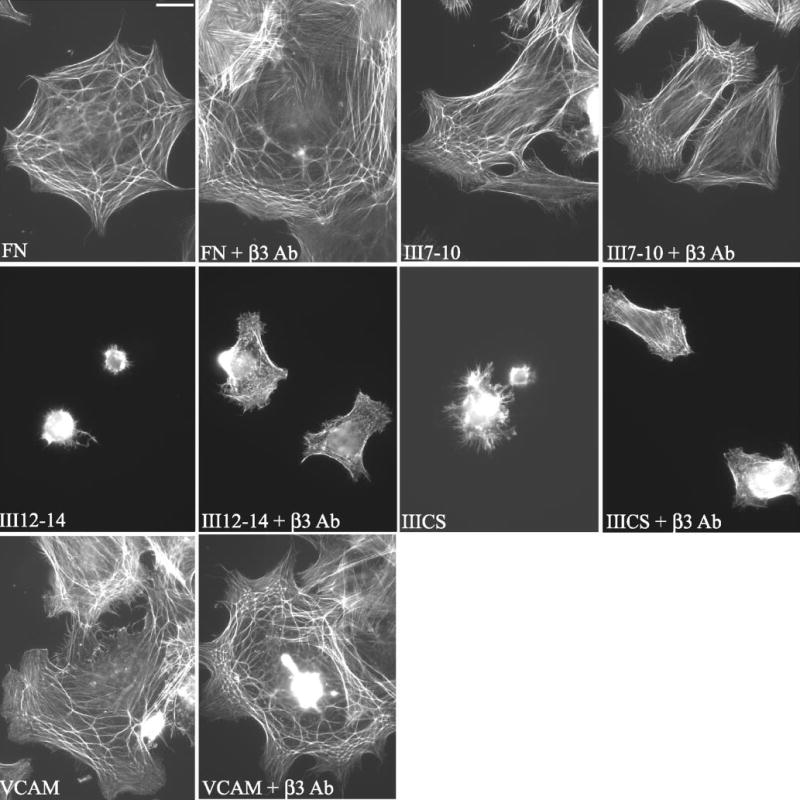
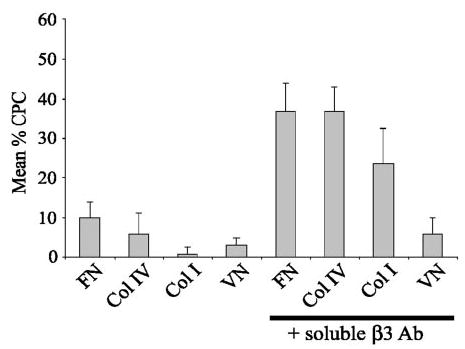
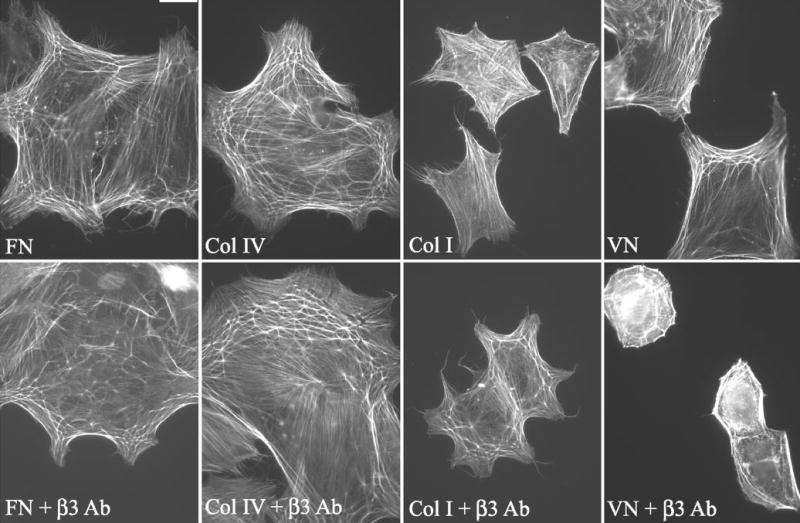
CLAN vertices contained the actin-binding proteins alpha-actinin and filamin and the signaling molecules syndecan-4 and PIP2. CLANs lacked Arp3 and cortactin. CLAN formation was dependent on the ECM substrate and was significantly higher on fibronectin and VCAM-1 compared with vitronectin, types I or IV collagen. Adsorbed beta1 integrin antibodies also induced CLANs, whereas adsorbed beta3 or alpha2beta1 integrin antibodies did not. Soluble beta3 integrin antibodies, however, induced CLANs and actually enhanced CLAN formation in cells spread on fibronectin, VCAM-1, type I or type IV collagen, or beta1 integrin antibodies.
CLANs are unique actin-branched networks whose formation can be regulated by beta1 and beta3 integrin signaling pathways. Thus, integrin-mediated signaling events can modulate the organization of the actin cytoskeleton in TM cells and hence could participate in regulating cytoskeletal events previously demonstrated to be involved in controlling outflow facility.
表征交联肌动蛋白网络(CLANs)的分子组成以及整合素对正常人小梁网(TM)细胞中CLANs形成的调节作用。在经类固醇处理的和青光眼性TM细胞中已观察到CLANs,并且有人提出CLANs通过改变TM的收缩性导致房水流出易度降低。
采用免疫荧光显微镜鉴定CLANs的分子成分,并对接种于涂有各种细胞外基质(ECM)蛋白(纤连蛋白、I型和IV型胶原以及玻连蛋白)、血管细胞黏附分子(VCAM)-1或抗β1、β3或α2β1整合素激活抗体的盖玻片上的HTM细胞中的CLANs形成进行定量分析。这些整合素抗体也用作可溶性配体。
CLANs的顶点包含肌动蛋白结合蛋白α-辅肌动蛋白和细丝蛋白以及信号分子syndecan-4和PIP2。CLANs缺乏Arp3和皮层肌动蛋白。CLANs的形成取决于ECM底物,与玻连蛋白、I型或IV型胶原相比,在纤连蛋白和VCAM-1上CLANs的形成显著更高。吸附的β1整合素抗体也可诱导CLANs形成,而吸附的β3或α2β1整合素抗体则不能。然而,可溶性β3整合素抗体可诱导CLANs形成,并且实际上增强了铺展在纤连蛋白、VCAM-1、I型或IV型胶原或β1整合素抗体上的细胞中的CLANs形成。
CLANs是独特的肌动蛋白分支网络,其形成可由β1和β3整合素信号通路调节。因此,整合素介导的信号事件可调节TM细胞中肌动蛋白细胞骨架的组织,从而可能参与调节先前已证明与控制房水流出易度有关的细胞骨架事件。