Thorne J H, Rainbird R M
Central Research and Development Department, Experimental Station, E. I. du Pont de Nemours and Company, Wilmington, Delaware 19898.
Plant Physiol. 1983 May;72(1):268-71. doi: 10.1104/pp.72.1.268.
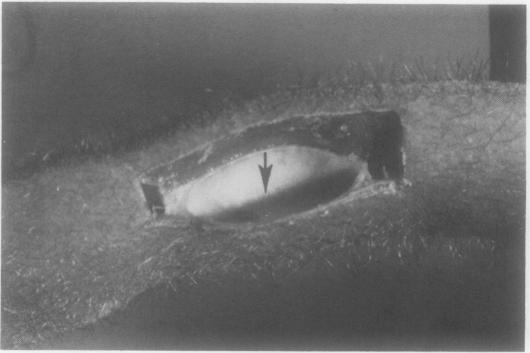
A technique has been developed which permits mechanistic studies of phloem unloading in developing seeds of soybean (Glycine max cv Clark) and other legumes. An opening is cut in the pod wall and the embryo surgically removed from the seedcoat without diminishing the capacity of that tissue for assimilate import, phloem unloading, or efflux. The sites of phloem unloading were accessible via the seedcoat apoplast and were challenged with inhibitors, solutes, buffers, etc., to characterize the unloading process.Unloading is stimulated by divalent metal chelators and diethylstilbestrol, and inhibited by metabolic uncouplers and sulfhydryl group modifiers. Solutes released from the seed coat had a carbon/nitrogen ratio of 31 milligrams carbon per milligram nitrogen; sucrose represented 90% of the carbon present and various nitrogenous solutes contributed the remaining 10%. Unloading could be maintained for up 8 hours at rates of 0.5 to 1.0 micromoles per hour, providing a valid, convenient in vivo technique for studies of phloem unloading and seed growth mechanisms.
已经开发出一种技术,可用于对大豆(Glycine max cv Clark)和其他豆科植物发育种子中的韧皮部卸载进行机制研究。在豆荚壁上切开一个开口,通过手术将胚从种皮中取出,而不降低该组织吸收同化物、韧皮部卸载或流出的能力。韧皮部卸载的部位可通过种皮质外体到达,并用抑制剂、溶质、缓冲液等进行处理,以表征卸载过程。卸载受到二价金属螯合剂和己烯雌酚的刺激,并受到代谢解偶联剂和巯基修饰剂的抑制。从种皮释放的溶质的碳/氮比为每毫克氮31毫克碳;蔗糖占存在碳的90%,各种含氮溶质占其余10%。卸载可以以每小时0.5至1.0微摩尔的速率维持长达8小时,为韧皮部卸载和种子生长机制的研究提供了一种有效的、方便的体内技术。