Ashworth E N
Center for Plant Environmental Stress Physiology, Department of Horticulture, Purdue University, West Lafayette, Indiana 47907.
Plant Physiol. 1990 Mar;92(3):718-25. doi: 10.1104/pp.92.3.718.
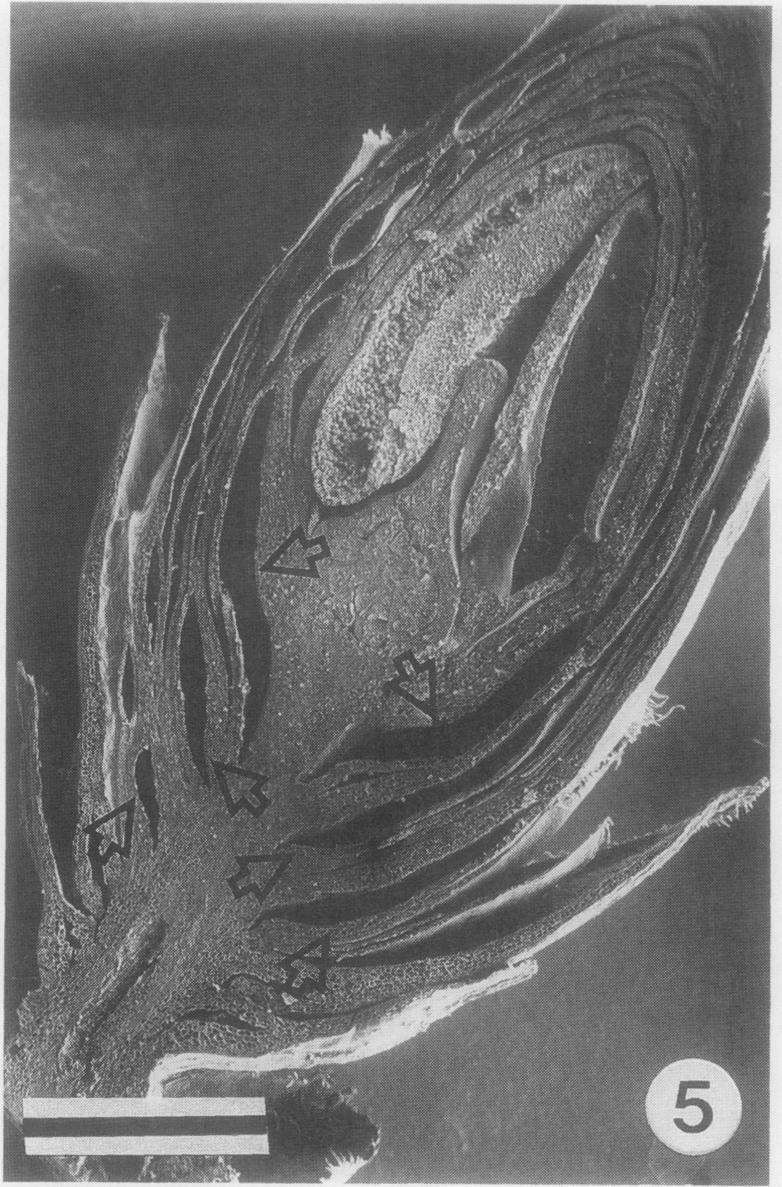
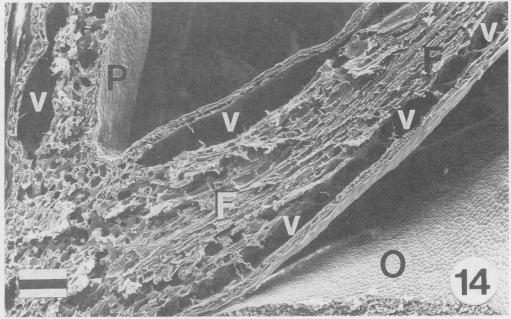
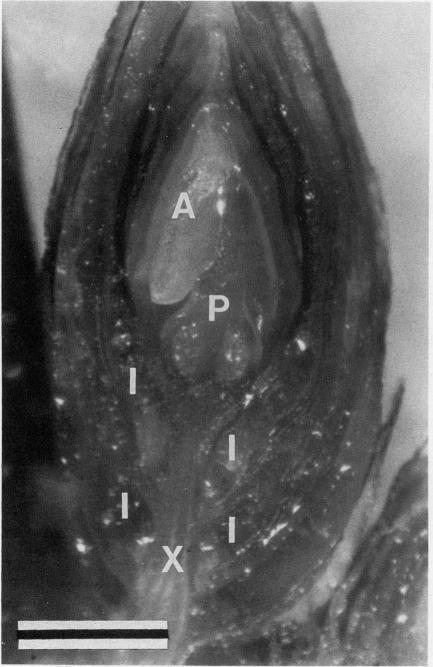
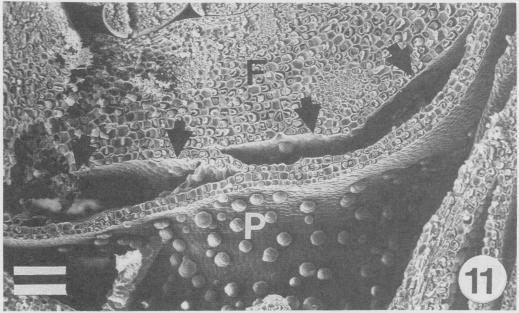
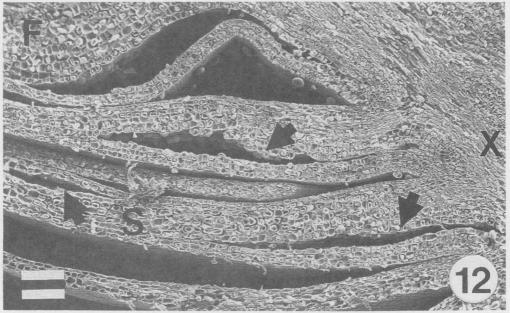
Differential thermal analysis detected two freezing events when dormant forsythia (Forsythia viridissima Lindl.) flower buds were cooled. The first occurred just below 0 degrees C, and was coincident with the freezing of adjacent woody tissues. The second exotherm appeared as a spike between -10 and -25 degrees C and was correlated with the lethal low temperature. Although this pattern of freezing was similar to that observed in other woody species, differences were noted. Both direct observations of frozen buds and examination of buds freeze-fixed at -5 degrees C demonstrated that ice formed within the developing flowers at temperatures above the second exotherm and lethal temperature. Ice crystals had formed within the peduncle and in the lower portions of the developing flower. Ice also formed within the scales. In forsythia buds, the developing floral organ did not freeze as a unit as noted in other species. Instead the low temperature exotherm appeared to correspond to the lethal freezing of supercooled water within the anthers and portions of the pistil.
差示热分析检测到,在休眠的金钟花(Forsythia viridissima Lindl.)花芽冷却过程中出现了两次结冰事件。第一次发生在略低于0摄氏度时,与相邻木质组织的结冰同时出现。第二次放热表现为-10至-25摄氏度之间的一个尖峰,与致死低温相关。尽管这种结冰模式与在其他木本物种中观察到的相似,但也存在差异。对冷冻芽的直接观察以及对在-5摄氏度下冷冻固定的芽的检查均表明,在高于第二次放热温度和致死温度时,发育中的花朵内部形成了冰。花梗内以及发育中花朵的下部形成了冰晶。鳞片内也形成了冰。在金钟花花芽中,发育中的花器官并不像在其他物种中那样作为一个整体结冰。相反,低温放热似乎对应于花药和部分雌蕊内过冷水的致死冻结。