Friend Lindzy D, Shah Dulari D, Deppong Christine, Lin Joseph, Bricker Traci L, Juehne Twyla I, Rose Christine M, Green Jonathan M
Program in Immunology, Department of Internal Medicine, Washington University School of Medicine, St. Louis, MO 63110, USA.
J Exp Med. 2006 Sep 4;203(9):2121-33. doi: 10.1084/jem.20052230. Epub 2006 Aug 14.
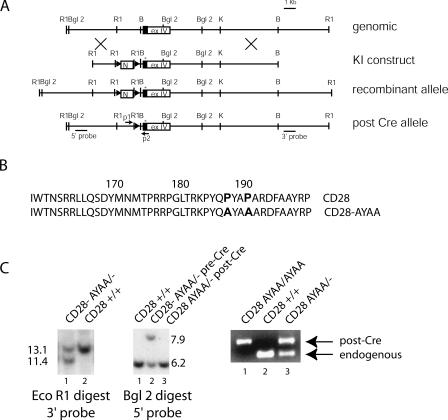
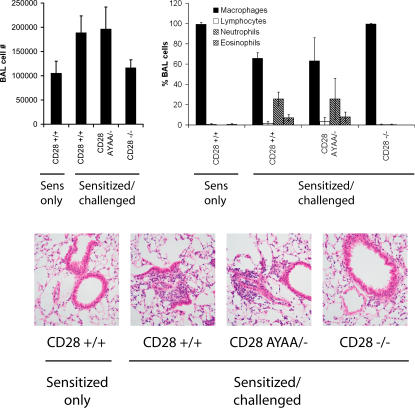
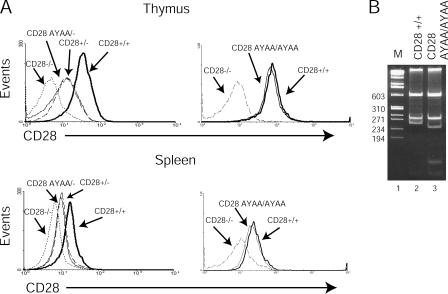
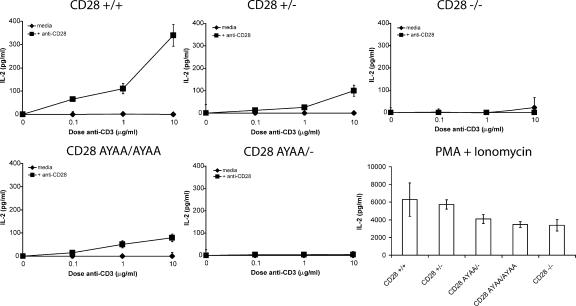
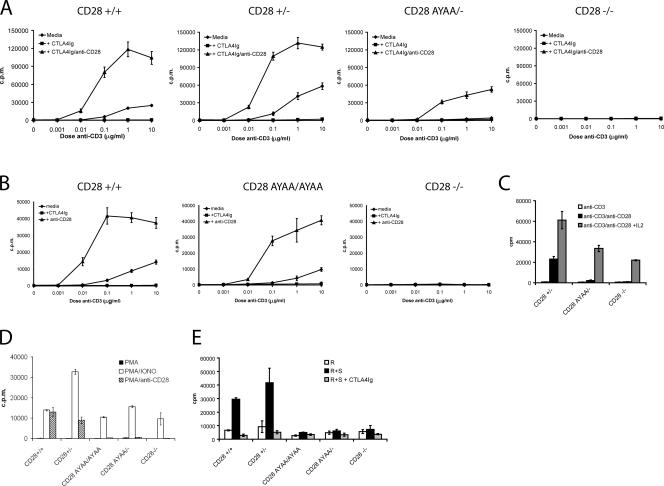
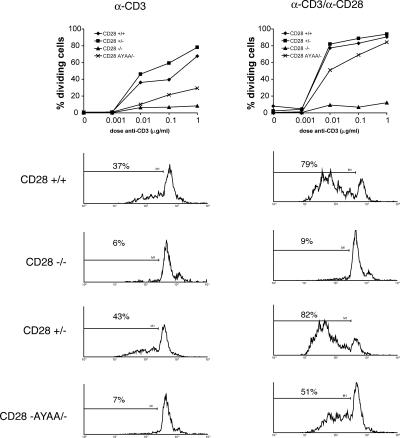
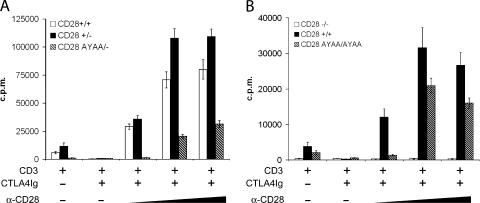
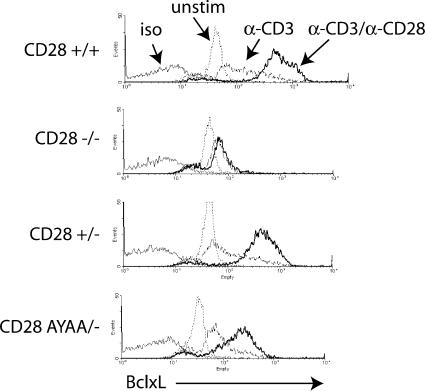
Activation of naive T cells requires the integration of signals through the antigen receptor and CD28. Although there is agreement on the importance of CD28, there remains controversy on the mechanism by which CD28 regulates T cell function. We have generated a gene-targeted knockin mouse expressing a mutation in the C-terminal proline-rich region of the cytoplasmic tail of CD28. Our analysis conclusively showed that this motif is essential for CD28-dependent regulation of interleukin 2 secretion and proliferation. In vivo analysis revealed that mutation of this motif-dissociated CD28-dependent regulation of cellular and humoral responses in an allergic airway inflammation model. Furthermore, we find an important gene dosage effect on the phenotype of the mutation and provide a mechanistic explanation for the conflicting data on the significance of this motif in CD28 function.
初始T细胞的激活需要通过抗原受体和CD28整合信号。尽管对于CD28的重要性已达成共识,但关于CD28调节T细胞功能的机制仍存在争议。我们构建了一种基因靶向敲入小鼠,其表达的CD28胞质尾C端富含脯氨酸区域发生了突变。我们的分析确凿地表明,该基序对于CD28依赖的白细胞介素2分泌和增殖调节至关重要。体内分析显示,在过敏性气道炎症模型中,该基序的突变使CD28依赖的细胞和体液反应调节解离。此外,我们发现该突变的表型存在重要的基因剂量效应,并为关于该基序在CD28功能中的重要性的相互矛盾的数据提供了机制解释。