Peiren N, de Graaf D C, Evans J D, Jacobs F J
Laboratory of Zoophysiology, Ghent University, Ghent, Belgium.
Insect Mol Biol. 2006 Oct;15(5):577-81. doi: 10.1111/j.1365-2583.2006.00669.x.
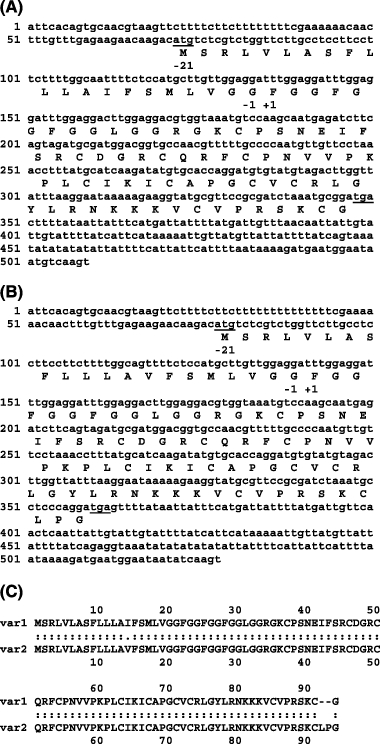
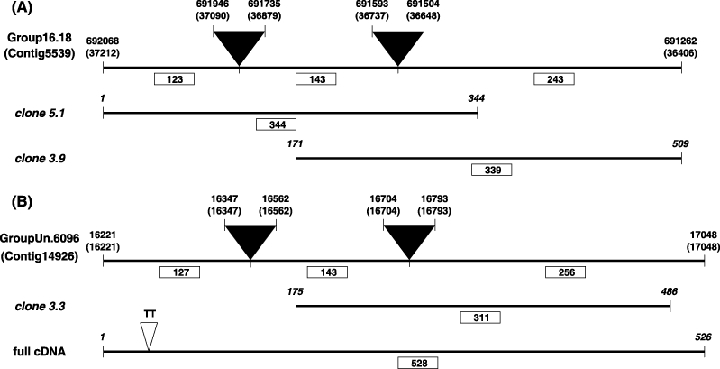
Several components of honeybee venom are known to cause allergenic responses in humans and other vertebrates. One such component, the minor allergen Api m 6, has been known to show amino acid variation but the genetic mechanism for this variation is unknown. Here we show that Api m 6 is derived from a single locus, and that substantial protein-level variation has a simple genome-level cause, without the need to invoke multiple loci or alternatively spliced exons. Api m 6 sits near a misassembled section of the honeybee genome sequence, and we propose that a substantial number of indels at and near Api m 6 might be the root cause of this misassembly. We suggest that genes such as Api m 6 with coding-region or untranslated region indels might have had a strong effect on the assembly of this draft of the honeybee genome.
已知蜜蜂毒液的几种成分会在人类和其他脊椎动物中引起过敏反应。其中一种成分,即次要过敏原Api m 6,已知存在氨基酸变异,但其变异的遗传机制尚不清楚。在这里,我们表明Api m 6源自单个基因座,并且大量的蛋白质水平变异有一个简单的基因组水平原因,无需调用多个基因座或可变剪接外显子。Api m 6位于蜜蜂基因组序列的一个错误组装区域附近,我们认为Api m 6及其附近的大量插入缺失可能是这种错误组装的根本原因。我们认为,像Api m 6这样具有编码区或非翻译区插入缺失的基因可能对蜜蜂基因组草图的组装产生了强烈影响。