Ludwig Linda B, Ambrus Julian L, Krawczyk Kristie A, Sharma Sanjay, Brooks Stephen, Hsiao Chiu-Bin, Schwartz Stanley A
Division of Allergy, Immunology and Rheumatology, Department of Medicine, School of Biomedical Science and Medicine, State University of New York at Buffalo, Buffalo, New York 14203, USA.
Retrovirology. 2006 Nov 8;3:80. doi: 10.1186/1742-4690-3-80.
While viruses have long been shown to capitalize on their limited genomic size by utilizing both strands of DNA or complementary DNA/RNA intermediates to code for viral proteins, it has been assumed that human retroviruses have all their major proteins translated only from the plus or sense strand of RNA, despite their requirement for a dsDNA proviral intermediate. Several studies, however, have suggested the presence of antisense transcription for both HIV-1 and HTLV-1. More recently an antisense transcript responsible for the HTLV-1 bZIP factor (HBZ) protein has been described. In this study we investigated the possibility of an antisense gene contained within the human immunodeficiency virus type 1 (HIV-1) long terminal repeat (LTR).
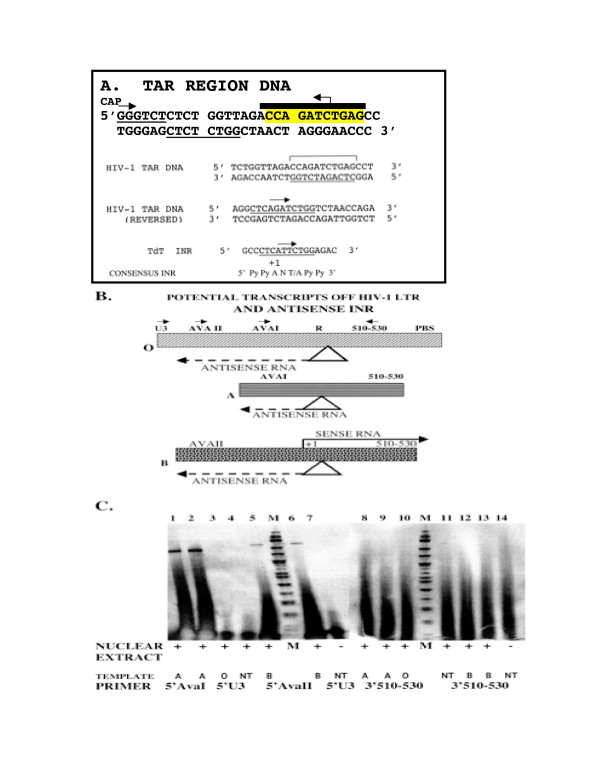
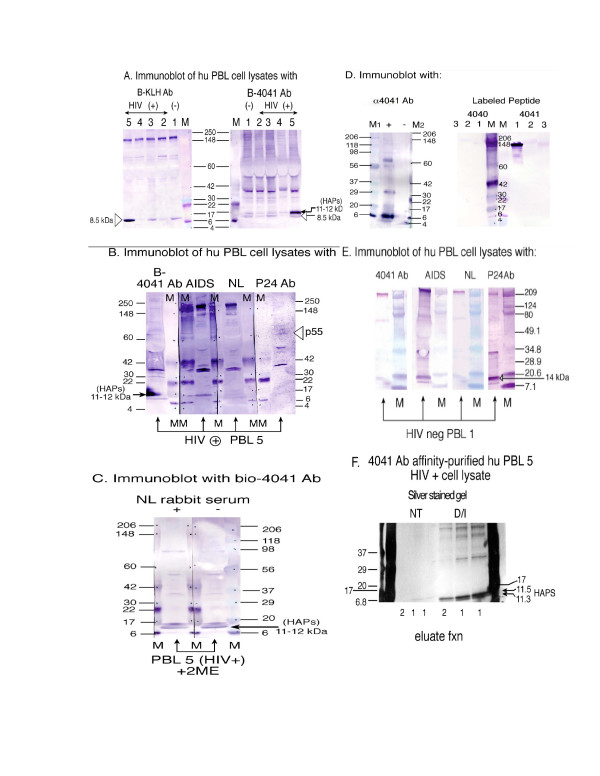
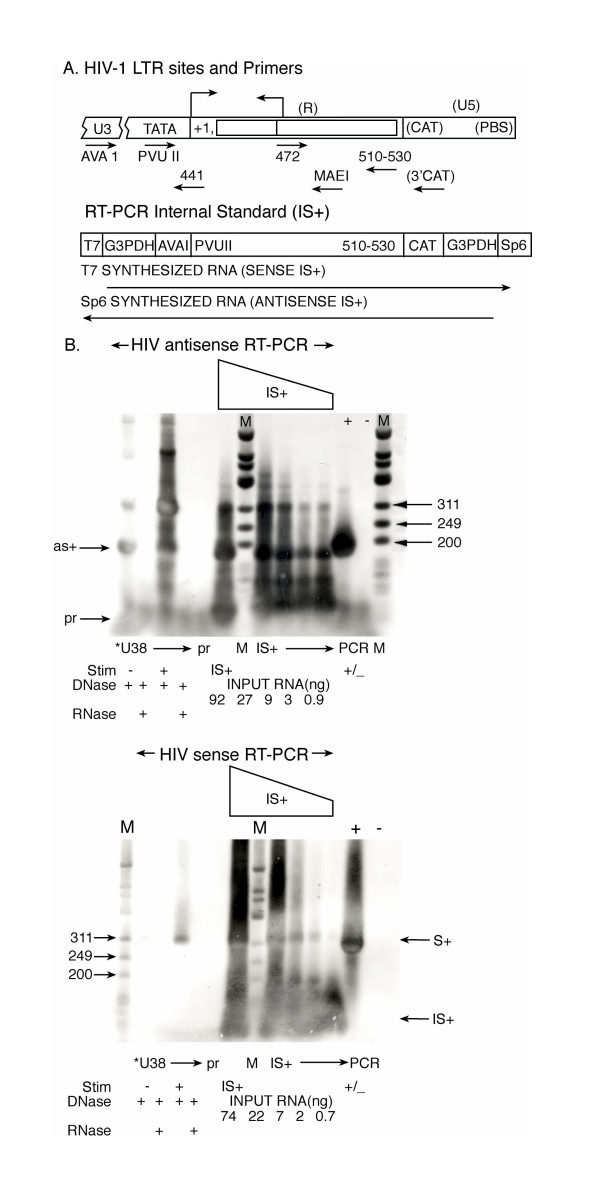
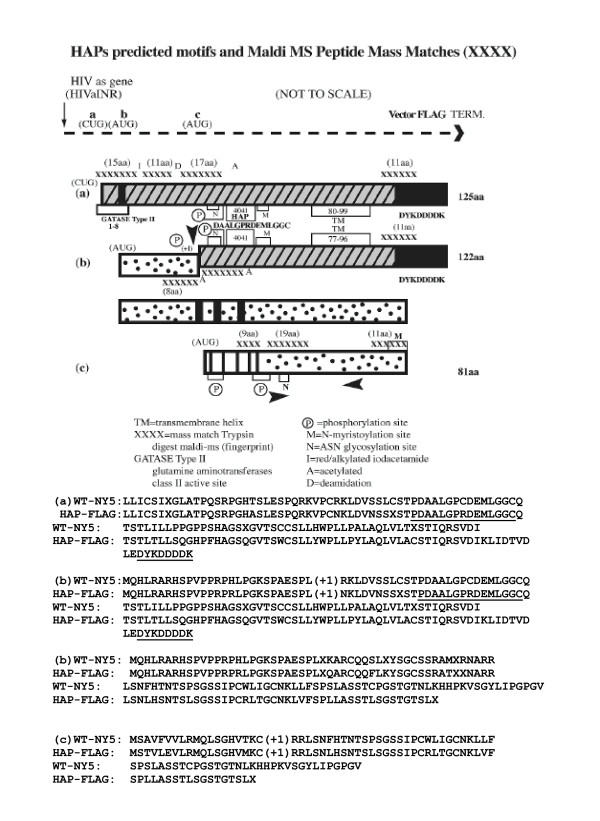
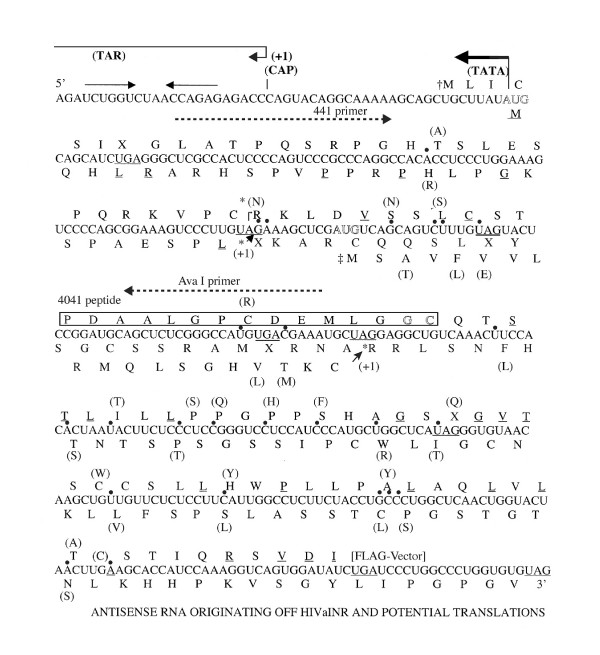
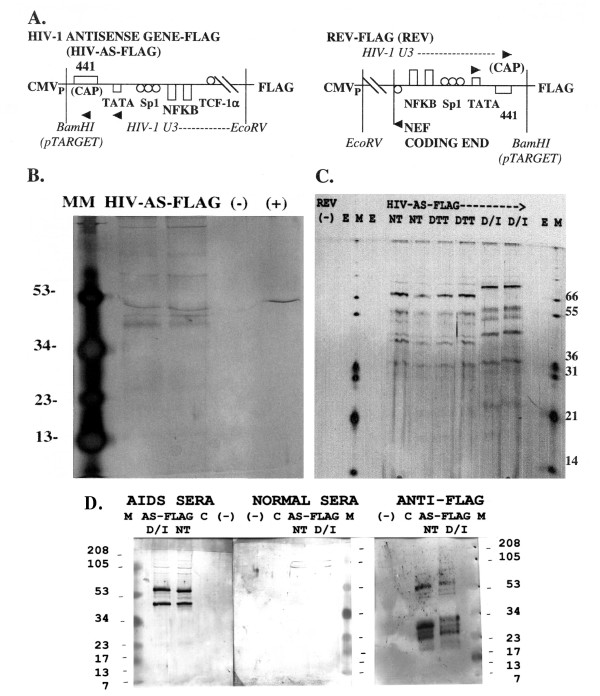
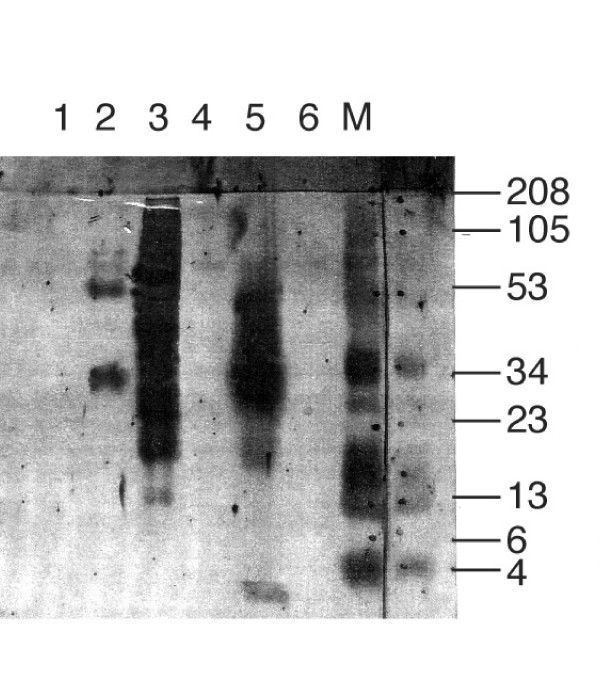
Inspection of published sequences revealed a potential transcription initiator element (INR) situated downstream of, and in reverse orientation to, the usual HIV-1 promoter and transcription start site. This antisense initiator (HIVaINR) suggested the possibility of an antisense gene responsible for RNA and protein production. We show that antisense transcripts are generated, in vitro and in vivo, originating from the TAR DNA of the HIV-1 LTR. To test the possibility that protein(s) could be translated from this novel HIV-1 antisense RNA, recombinant HIV antisense gene-FLAG vectors were designed. Recombinant protein(s) were produced and isolated utilizing carboxy-terminal FLAG epitope (DYKDDDDK) sequences. In addition, affinity-purified antisera to an internal peptide derived from the HIV antisense protein (HAP) sequences identified HAPs from HIV+ human peripheral blood lymphocytes.
HIV-1 contains an antisense gene in the U3-R regions of the LTR responsible for both an antisense RNA transcript and proteins. This antisense transcript has tremendous potential for intrinsic RNA regulation because of its overlap with the beginning of all HIV-1 sense RNA transcripts by 25 nucleotides. The novel HAPs are encoded in a region of the LTR that has already been shown to be deleted in some HIV-infected long-term survivors and represent new potential targets for vaccine development.
长期以来的研究表明,病毒通过利用DNA双链或互补DNA/RNA中间体来编码病毒蛋白,从而充分利用其有限的基因组大小。尽管人类逆转录病毒需要双链DNA前病毒中间体,但一直认为它们所有的主要蛋白质都仅从RNA的正链或有义链翻译而来。然而,多项研究表明,HIV-1和HTLV-1都存在反义转录。最近,一种负责HTLV-1 bZIP因子(HBZ)蛋白的反义转录本已被描述。在本研究中,我们调查了人类免疫缺陷病毒1型(HIV-1)长末端重复序列(LTR)中包含反义基因的可能性。
对已发表序列的检查发现,一个潜在的转录起始元件(INR)位于通常的HIV-1启动子和转录起始位点下游,且方向相反。这个反义启动子(HIVaINR)提示了存在一个负责RNA和蛋白质产生的反义基因的可能性。我们表明,在体外和体内都能产生源自HIV-1 LTR的TAR DNA的反义转录本。为了测试这种新型HIV-1反义RNA能否翻译出蛋白质,设计了重组HIV反义基因-FLAG载体。利用羧基末端FLAG表位(DYKDDDDK)序列产生并分离出重组蛋白。此外,针对源自HIV反义蛋白(HAP)序列的内部肽的亲和纯化抗血清,从HIV阳性的人外周血淋巴细胞中鉴定出了HAP。
HIV-1在LTR的U3-R区域含有一个反义基因,该基因负责产生反义RNA转录本和蛋白质。这种反义转录本因其与所有HIV-1有义RNA转录本的起始部分重叠25个核苷酸,在内在RNA调节方面具有巨大潜力。新型HAP在LTR的一个区域编码,该区域已在一些HIV感染的长期存活者中被证明发生了缺失,代表了疫苗开发的新潜在靶点。