Lu B, Yokoyama M, Dreyfus C F, Black I B
Department of Neuroscience and Cell Biology, Robert Wood Johnson Medical School, University of Medicine and Dentistry of New Jersey, Piscataway 08854-5635.
Proc Natl Acad Sci U S A. 1991 Jul 15;88(14):6289-92. doi: 10.1073/pnas.88.14.6289.
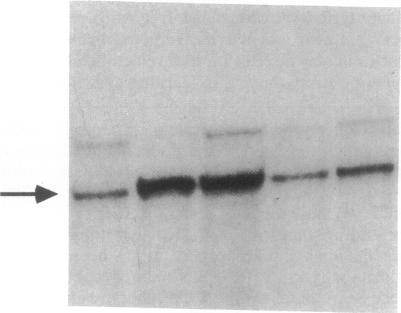
Although trophic factors and neuronal activity have been implicated in regulating functional synaptic circuits, the relationship of trophic interaction to impulse activity in synaptogenesis remains unclear. Using cultured hippocampus as a model system, we provide direct evidence that depolarization and impulse activity specifically increase nerve growth factor gene expression in neurons. Depolarizing stimuli, such as a high K+ concentration or the Na+ channel agonist veratridine, elicited a 3-fold increase of nerve growth factor mRNA levels in both explant and dissociated cultures. Blockade of depolarization by tetrodotoxin prevented the increase of neuronal nerve growth factor mRNA. Further, nerve growth factor gene expression was stimulated by picrotoxin, a gamma-aminobutyric acid antagonist frequently used to enhance hippocampal neuronal activity. Impulse regulation of trophic gene function may be relevant to developmental synaptogenesis and synaptic strengthening in learning and memory.
尽管营养因子和神经元活动与功能性突触回路的调节有关,但在突触形成过程中,营养相互作用与冲动活动之间的关系仍不清楚。我们以培养的海马体作为模型系统,提供了直接证据表明去极化和冲动活动会特异性地增加神经元中神经生长因子基因的表达。去极化刺激,如高钾浓度或钠通道激动剂藜芦碱,在外植体培养物和分离培养物中均引起神经生长因子mRNA水平增加3倍。河豚毒素对去极化的阻断可防止神经元神经生长因子mRNA的增加。此外,γ-氨基丁酸拮抗剂苦味毒(常用于增强海马神经元活动)可刺激神经生长因子基因的表达。营养基因功能的冲动调节可能与发育性突触形成以及学习和记忆中的突触强化有关。