Centre for Ornithology, School of Biosciences, University of Birmingham, Edgbaston, United Kingdom.
PLoS One. 2007 Feb 7;2(2):e198. doi: 10.1371/journal.pone.0000198.
In vision, there is a trade-off between sensitivity and resolution, and any eye which maximises information gain at low light levels needs to be large. This imposes exacting constraints upon vision in nocturnal flying birds. Eyes are essentially heavy, fluid-filled chambers, and in flying birds their increased size is countered by selection for both reduced body mass and the distribution of mass towards the body core. Freed from these mass constraints, it would be predicted that in flightless birds nocturnality should favour the evolution of large eyes and reliance upon visual cues for the guidance of activity.
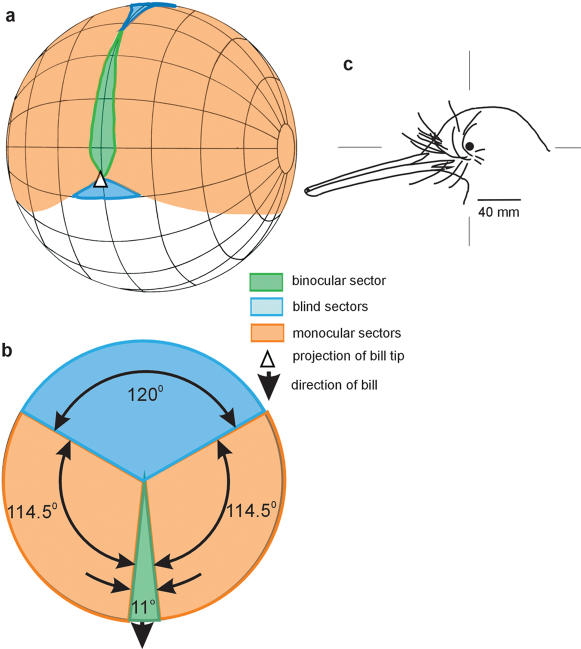
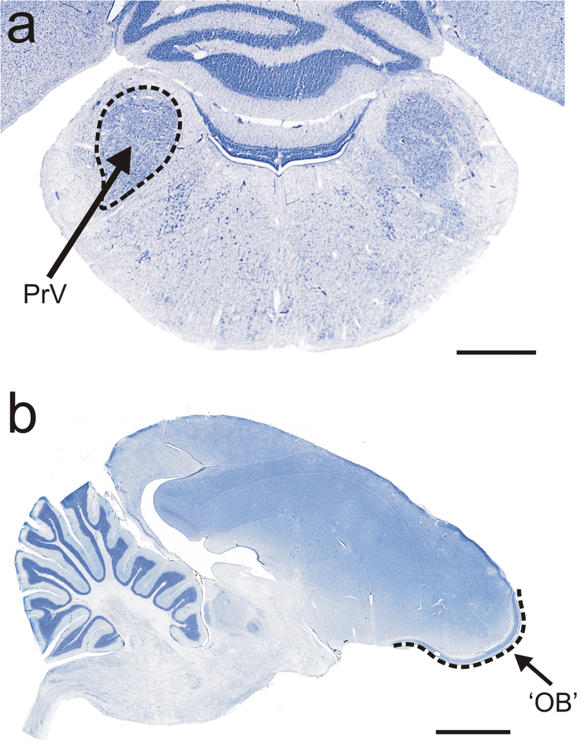
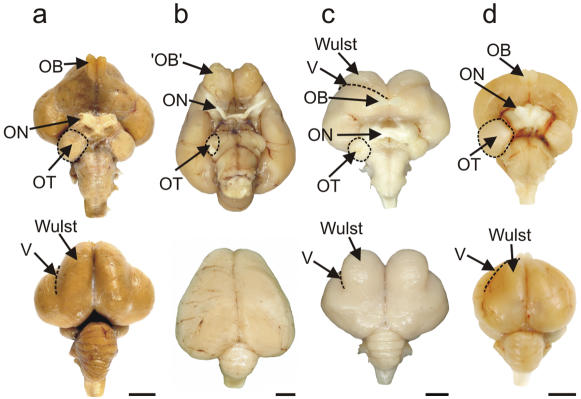
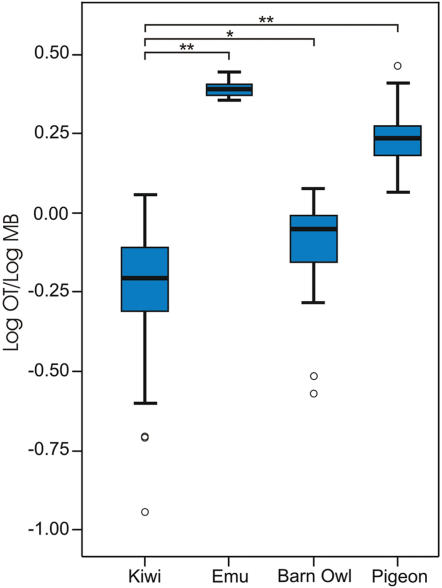
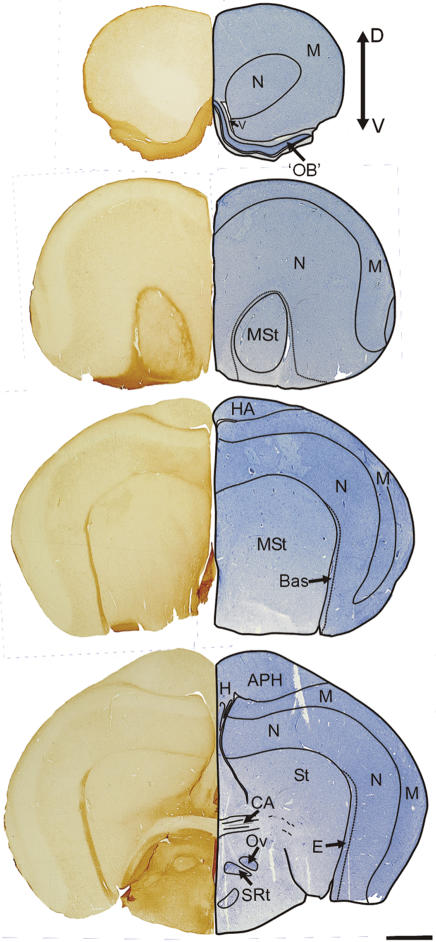
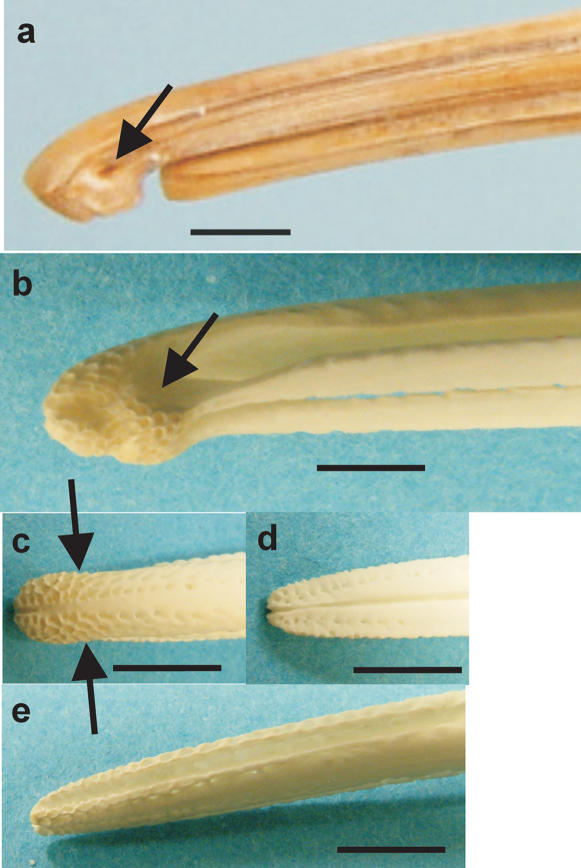
METHODOLOGY/PRINCIPAL FINDINGS: We show that in Kiwi (Apterygidae), flightlessness and nocturnality have, in fact, resulted in the opposite outcome. Kiwi show minimal reliance upon vision indicated by eye structure, visual field topography, and brain structures, and increased reliance upon tactile and olfactory information.
CONCLUSIONS/SIGNIFICANCE: This lack of reliance upon vision and increased reliance upon tactile and olfactory information in Kiwi is markedly similar to the situation in nocturnal mammals that exploit the forest floor. That Kiwi and mammals evolved to exploit these habitats quite independently provides evidence for convergent evolution in their sensory capacities that are tuned to a common set of perceptual challenges found in forest floor habitats at night and which cannot be met by the vertebrate visual system. We propose that the Kiwi visual system has undergone adaptive regressive evolution driven by the trade-off between the relatively low rate of gain of visual information that is possible at low light levels, and the metabolic costs of extracting that information.
在视觉中,灵敏度和分辨率之间存在权衡,任何在低光水平下最大化信息获取的眼睛都需要很大。这对夜间飞行鸟类的视觉提出了严格的限制。眼睛本质上是沉重的、充满液体的腔室,在飞行鸟类中,它们的尺寸增加被选择用于减轻身体质量和将质量分布到身体核心所抵消。如果不受这些质量限制的影响,可以预测,在不会飞的鸟类中,夜间活动应该有利于大眼睛的进化,并依赖视觉线索来指导活动。
方法/主要发现:我们表明,在几维鸟(Apterygidae)中,实际上,不会飞和夜间活动导致了相反的结果。几维鸟对视觉的依赖最小,这表现在眼睛结构、视野地形和大脑结构上,并且对触觉和嗅觉信息的依赖增加。
结论/意义:几维鸟对视觉的依赖减少和对触觉和嗅觉信息的依赖增加与夜间在森林地面活动的哺乳动物的情况非常相似。几维鸟和哺乳动物独立进化以利用这些栖息地,为它们的感官能力提供了趋同进化的证据,这些能力适应于夜间森林地面栖息地的共同感知挑战,而这些挑战不能被脊椎动物的视觉系统所满足。我们提出,几维鸟的视觉系统经历了适应性退行进化,这是由在低光水平下获取视觉信息的相对低速率与提取信息的代谢成本之间的权衡所驱动的。