Oh Phil, Borgström Per, Witkiewicz Halina, Li Yan, Borgström Bengt J, Chrastina Adrian, Iwata Koji, Zinn Kurt R, Baldwin Richard, Testa Jacqueline E, Schnitzer Jan E
Sidney Kimmel Cancer Center, 10905 Road to the Cure, San Diego, California 92121, USA.
Nat Biotechnol. 2007 Mar;25(3):327-37. doi: 10.1038/nbt1292. Epub 2007 Mar 4.
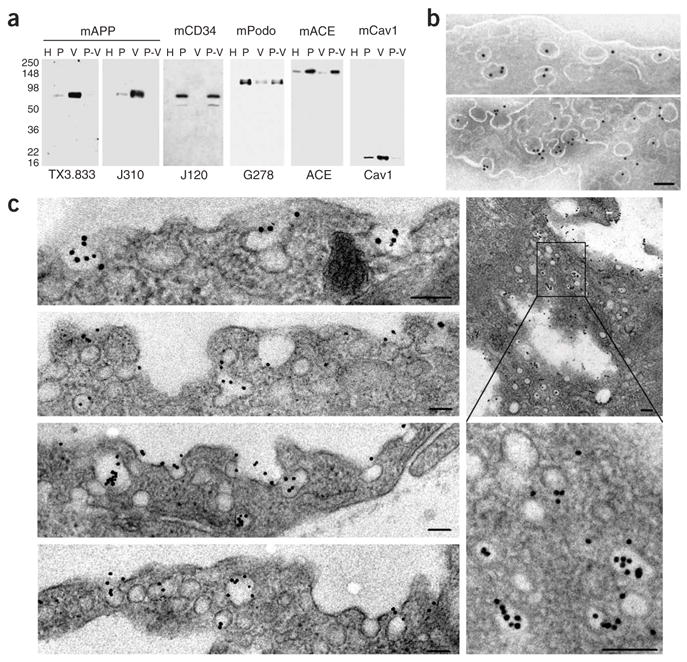
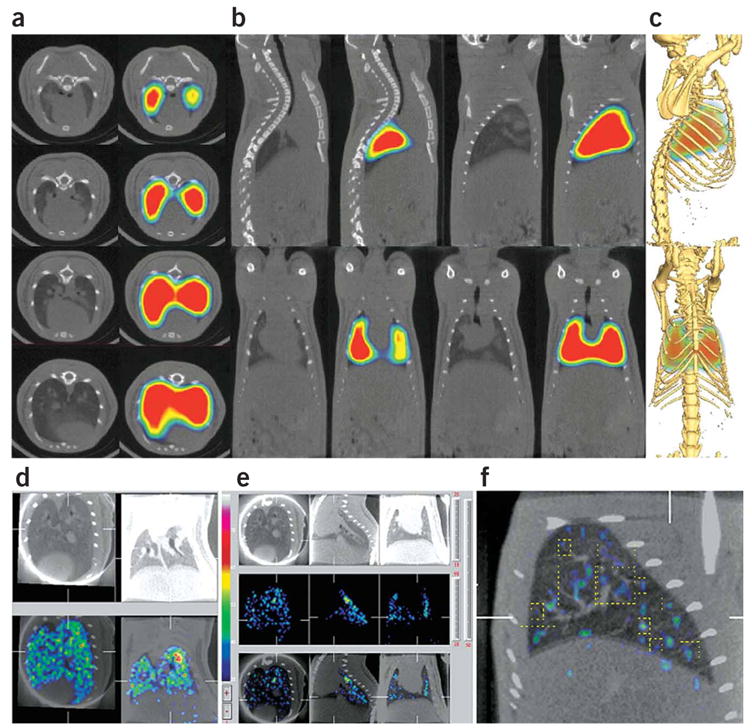
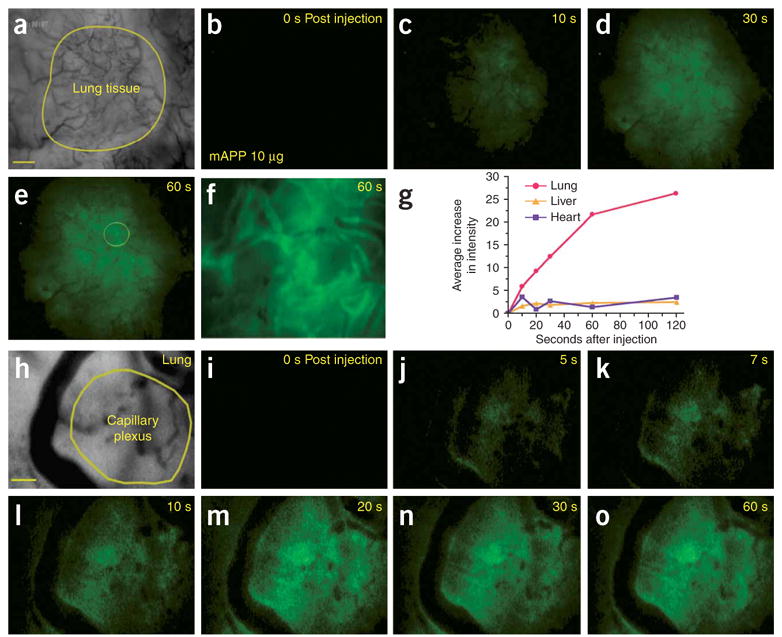
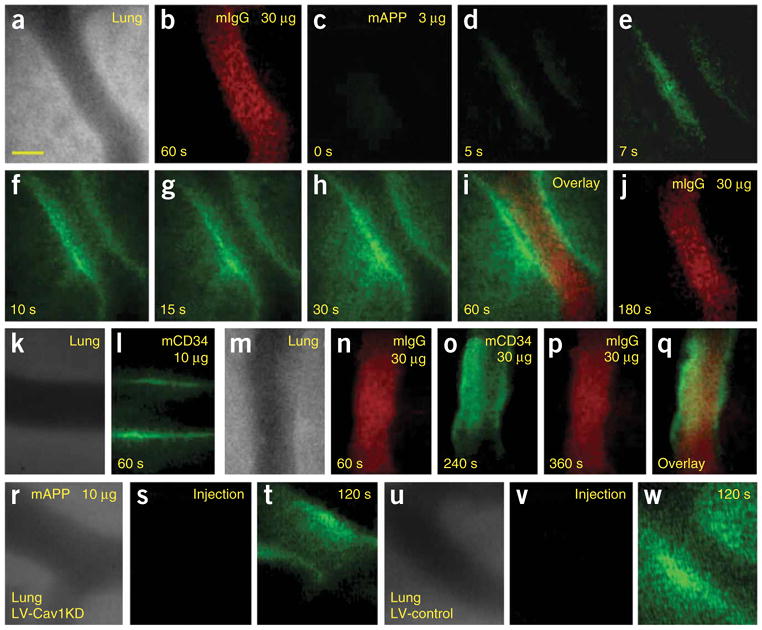
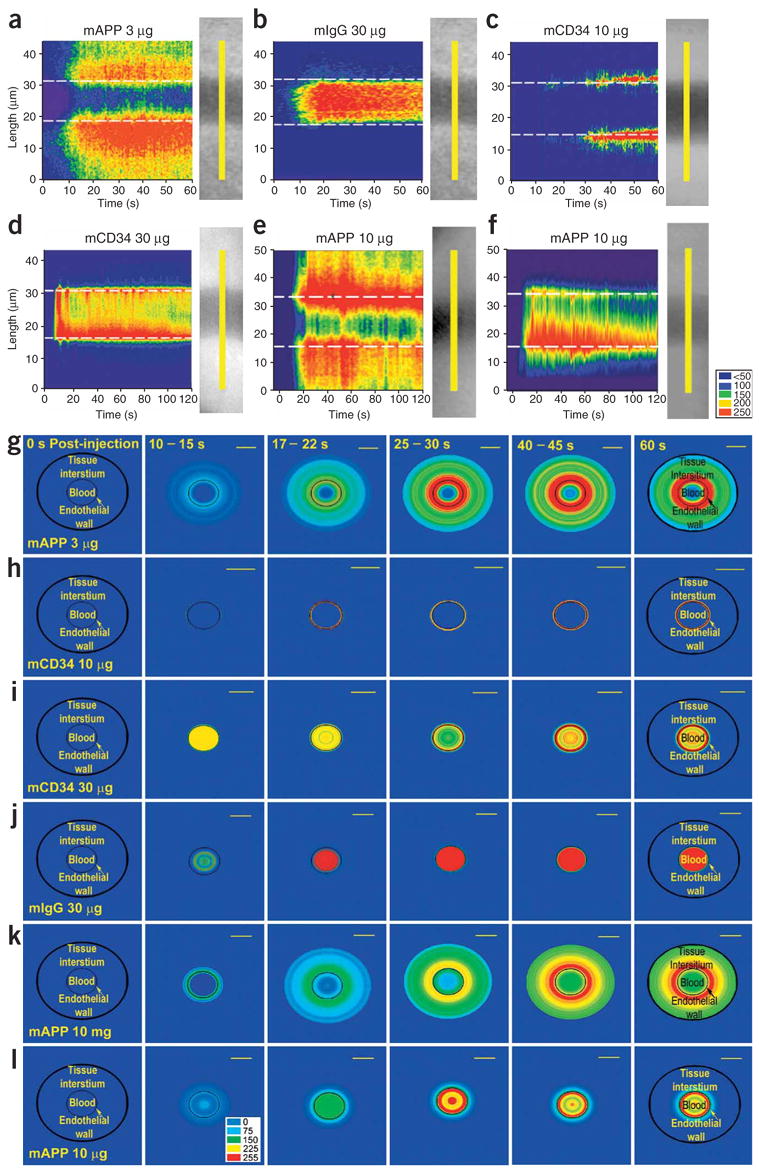
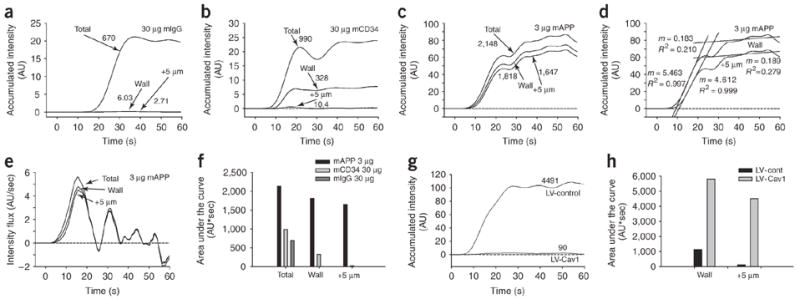
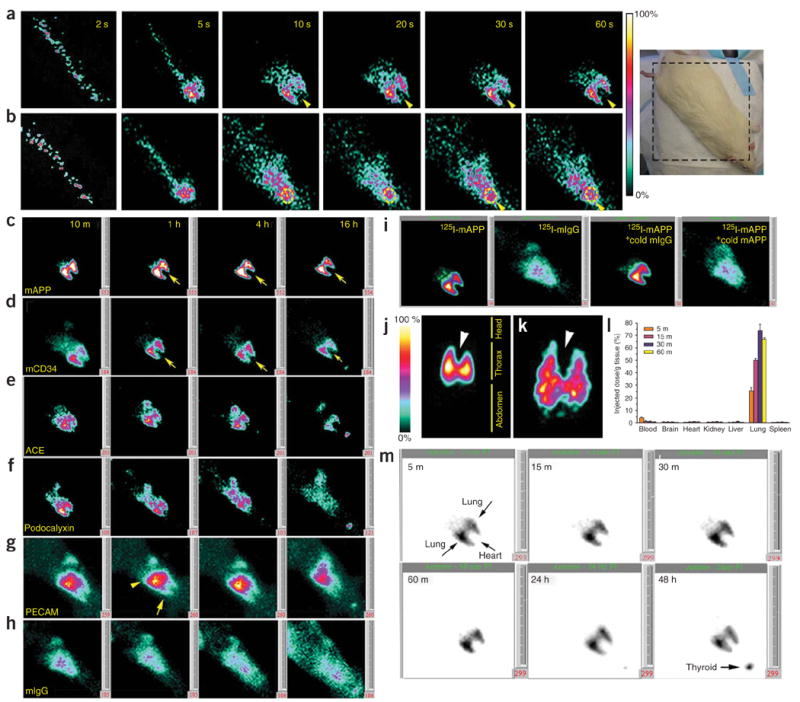
How effectively and quickly endothelial caveolae can transcytose in vivo is unknown, yet critical for understanding their function and potential clinical utility. Here we use quantitative proteomics to identify aminopeptidase P (APP) concentrated in caveolae of lung endothelium. Electron microscopy confirms this and shows that APP antibody targets nanoparticles to caveolae. Dynamic intravital fluorescence microscopy reveals that targeted caveolae operate effectively as pumps, moving antibody within seconds from blood across endothelium into lung tissue, even against a concentration gradient. This active transcytosis requires normal caveolin-1 expression. Whole body gamma-scintigraphic imaging shows rapid, specific delivery into lung well beyond that achieved by standard vascular targeting. This caveolar trafficking in vivo may underscore a key physiological mechanism for selective transvascular exchange and may provide an enhanced delivery system for imaging agents, drugs, gene-therapy vectors and nanomedicines. 'In vivo proteomic imaging' as described here integrates organellar proteomics with multiple imaging techniques to identify an accessible target space that includes the transvascular pumping space of the caveola.
内皮小窝在体内进行转胞吞作用的效率和速度尚不清楚,但这对于理解其功能和潜在临床应用至关重要。在此,我们运用定量蛋白质组学来鉴定集中于肺内皮小窝中的氨肽酶P(APP)。电子显微镜证实了这一点,并表明APP抗体将纳米颗粒靶向至小窝。动态活体荧光显微镜显示,靶向的小窝能有效地充当泵,在数秒内将抗体从血液穿过内皮转运至肺组织,甚至能逆浓度梯度进行。这种主动转胞吞作用需要正常的小窝蛋白-1表达。全身γ闪烁成像显示,其能快速、特异性地递送至肺部,远超标准血管靶向所能达到的效果。这种体内小窝运输可能突出了选择性跨血管交换的关键生理机制,并可能为成像剂、药物、基因治疗载体和纳米药物提供一种增强的递送系统。本文所述的“体内蛋白质组成像”将细胞器蛋白质组学与多种成像技术相结合,以识别一个可及的靶空间,其中包括小窝的跨血管泵浦空间。