Mahbubani M H, Bej A K, Perlin M H, Schaefer F W, Jakubowski W, Atlas R M
Department of Biology, University of Louisville, Kentucky 40292.
J Clin Microbiol. 1992 Jan;30(1):74-8. doi: 10.1128/jcm.30.1.74-78.1992.
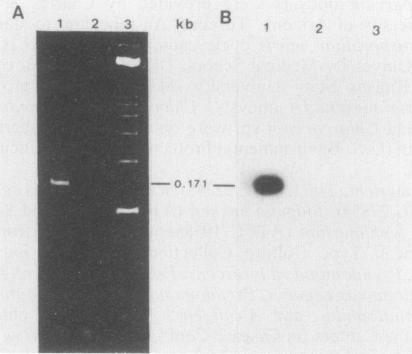
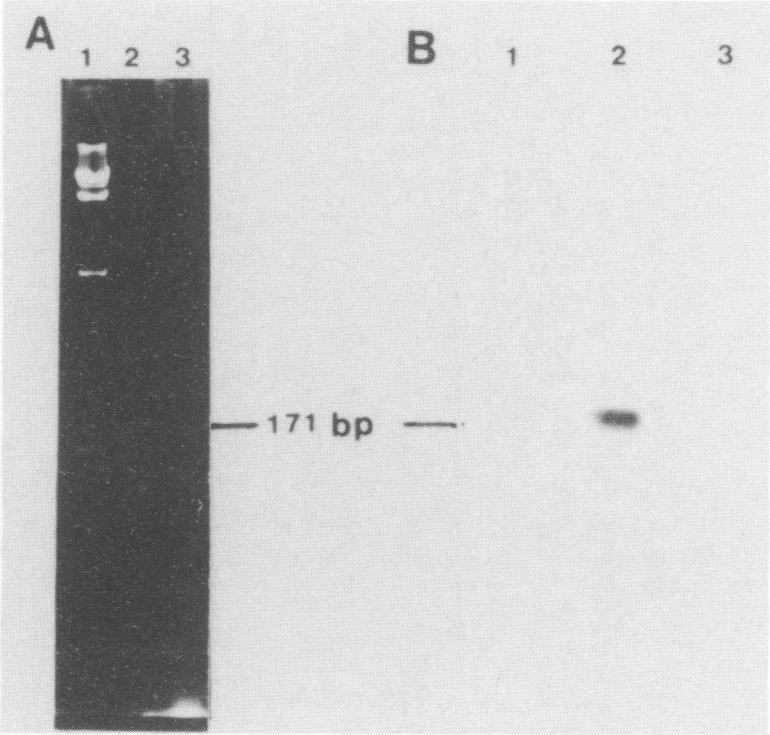
Giardia spp. are waterborne organisms that are the most commonly identified pathogenic intestinal protozoans in the United States. Current detection techniques for Giardia species in water include microscopy and immunofluorescence techniques. Species of the genus Giardia are classified on the basis of taxonomic criteria, such as cell morphology, and on host specificity. We have developed a polymerase chain reaction- and gene probe-based detection system specific for Giardia spp., which can discriminate between the relevant species of the G. duodenalis type pathogenic to humans and other Giardia species that are not human pathogens. This method can detect a single Giardia cyst and is therefore sensitive enough for environmental monitoring.
贾第虫属是通过水传播的生物,是美国最常见的致病性肠道原生动物。目前检测水中贾第虫属物种的技术包括显微镜检查和免疫荧光技术。贾第虫属的物种是根据分类标准进行分类的,如细胞形态,以及宿主特异性。我们开发了一种基于聚合酶链反应和基因探针的检测系统,该系统对贾第虫属具有特异性,能够区分对人类致病的十二指肠贾第虫类型的相关物种和其他非人类病原体的贾第虫物种。这种方法可以检测到单个贾第虫包囊,因此对于环境监测来说灵敏度足够高。