Saha Ramendra N, Pahan Kalipada
Section of Neuroscience, Department of Oral Biology, University of Nebraska Medical Center College of Dentistry, 40th and Holdrege Street, Lincoln, NE 68583, USA.
Free Radic Biol Med. 2007 Jun 15;42(12):1866-78. doi: 10.1016/j.freeradbiomed.2007.03.022. Epub 2007 Mar 31.
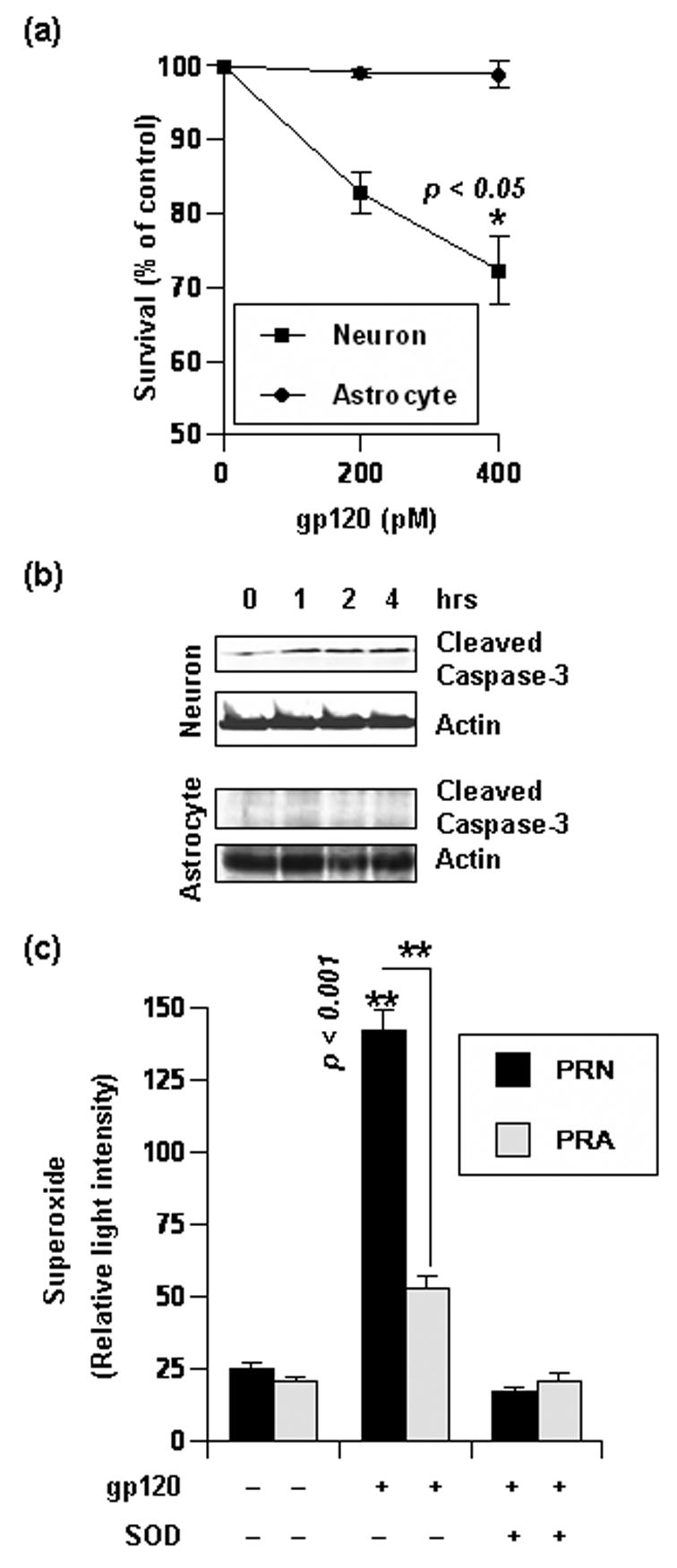
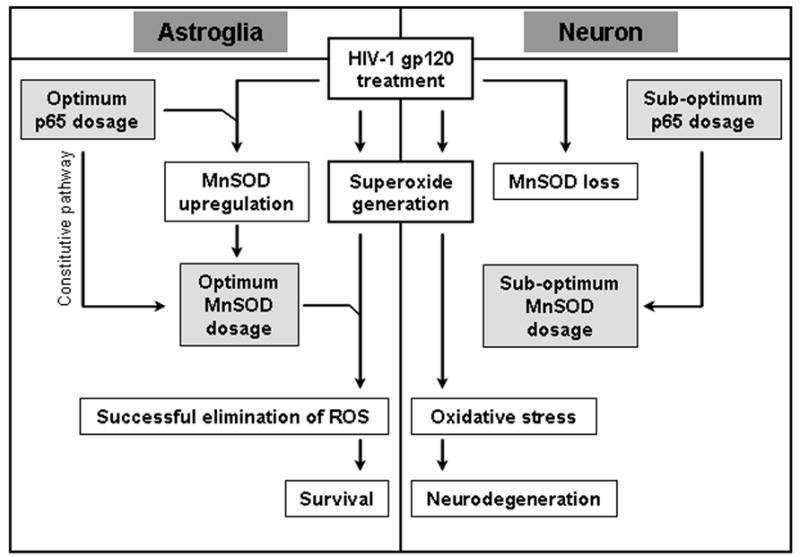
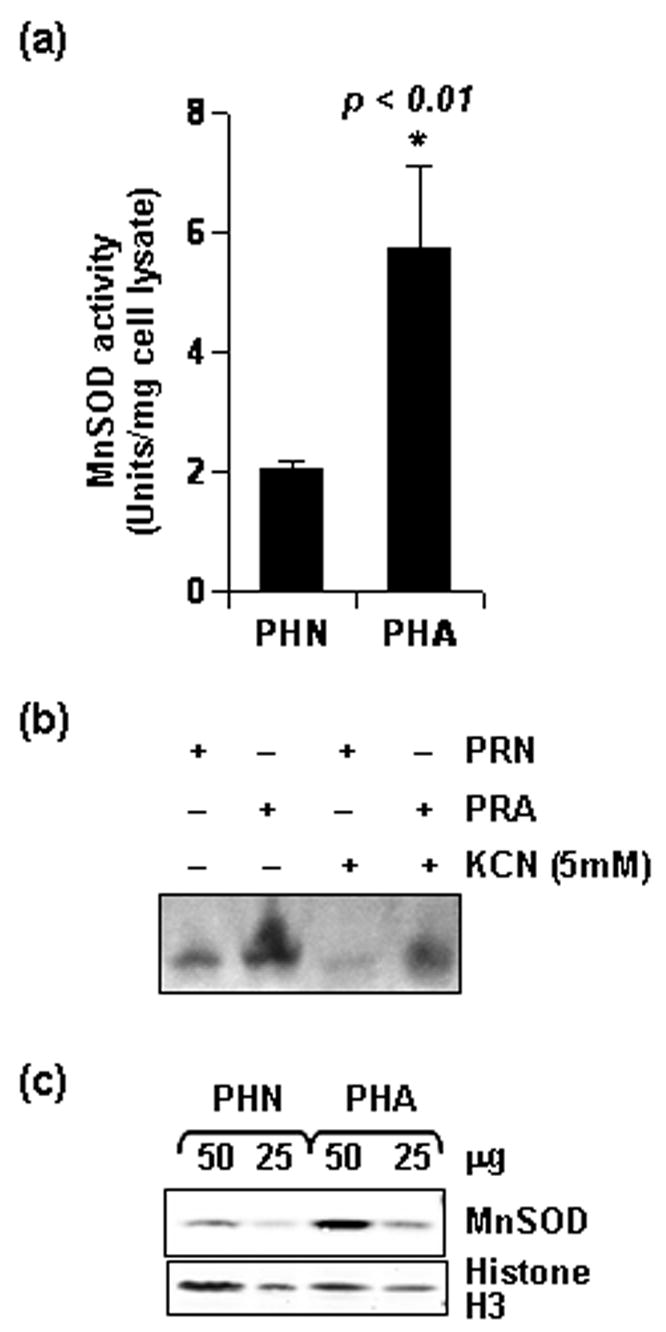
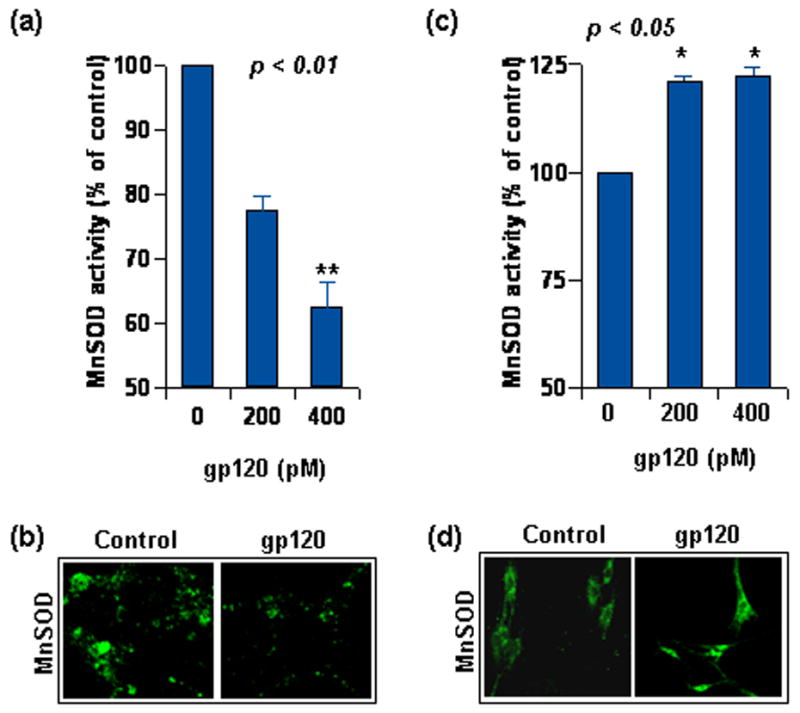
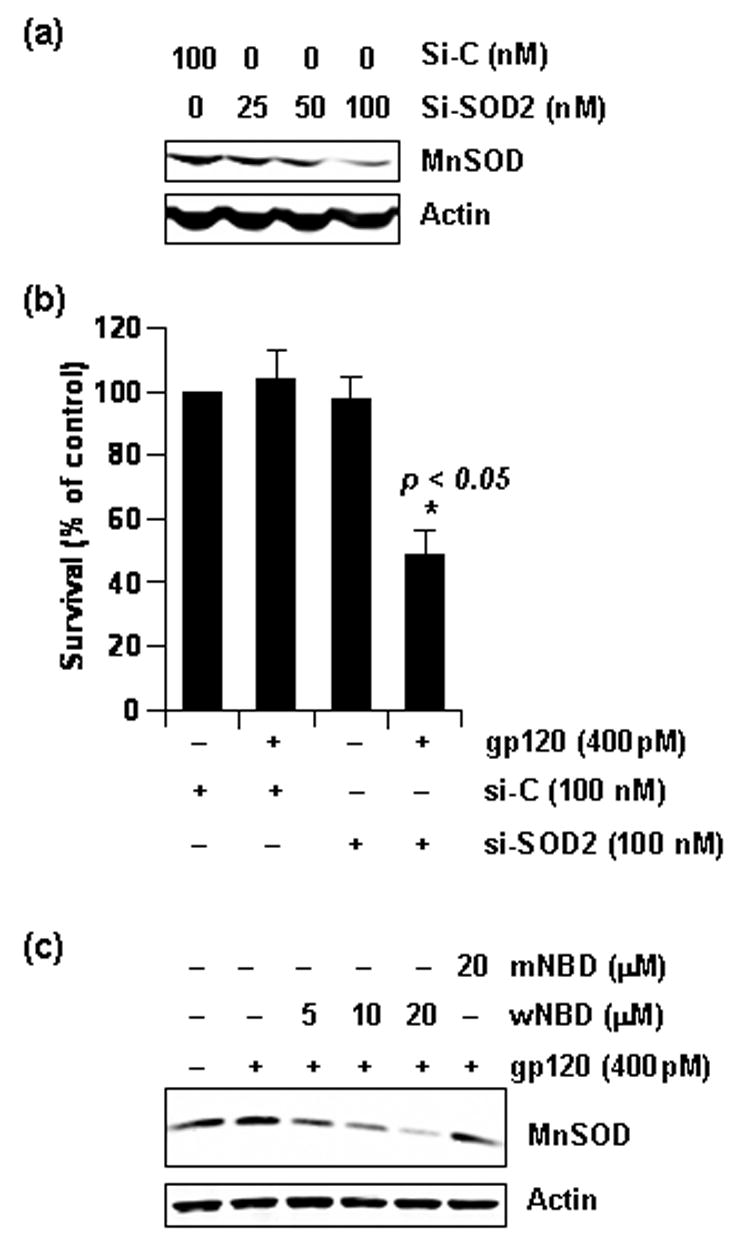
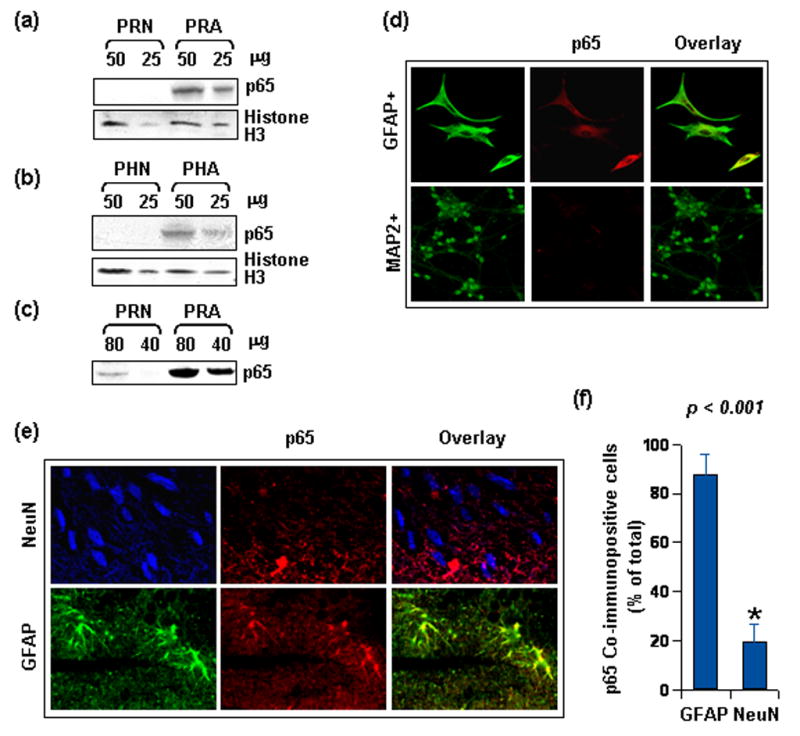
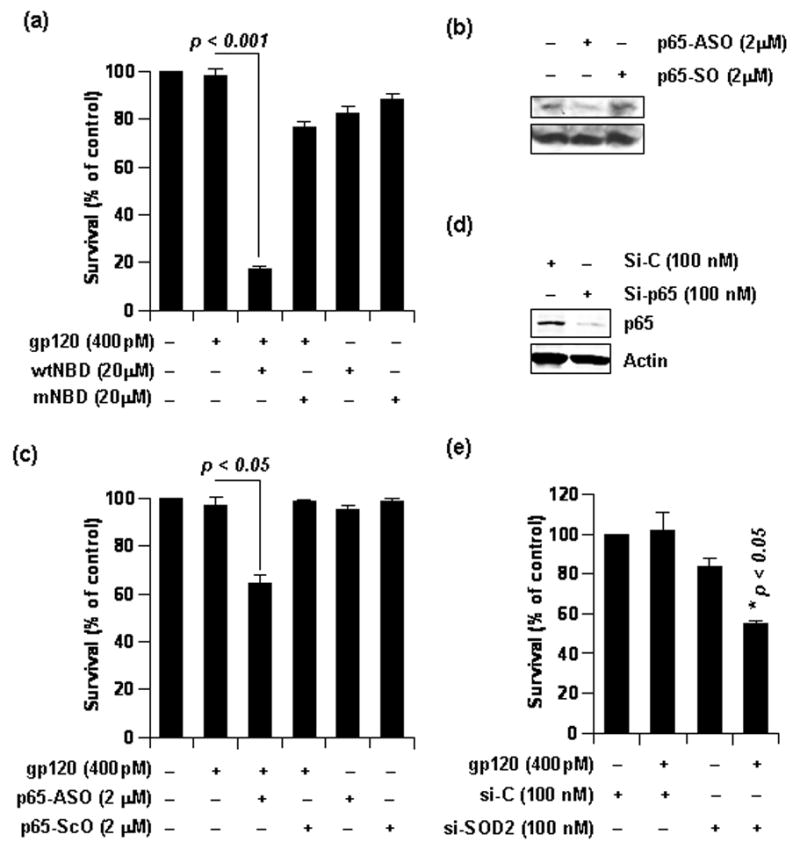
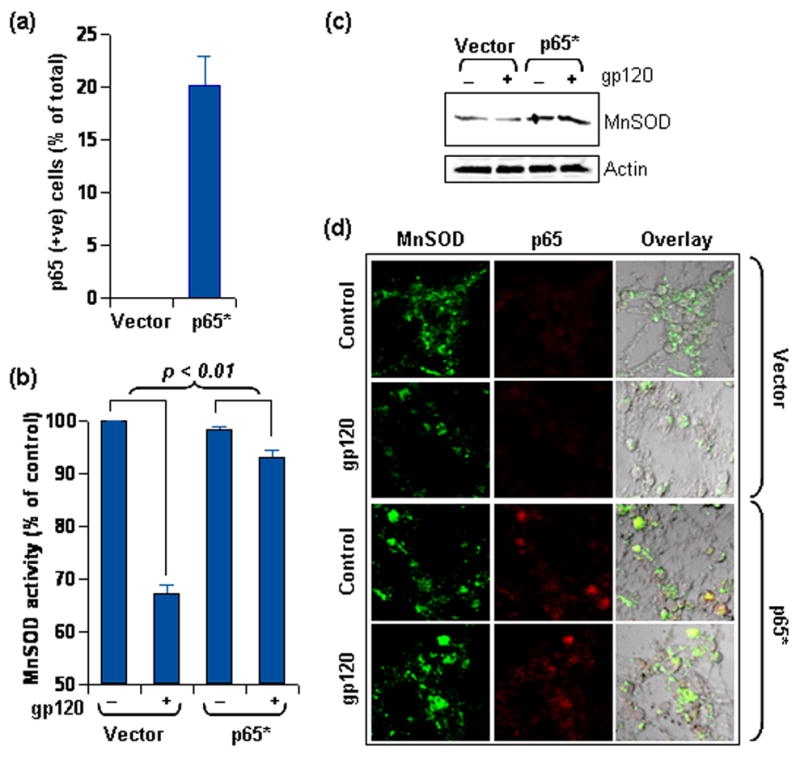
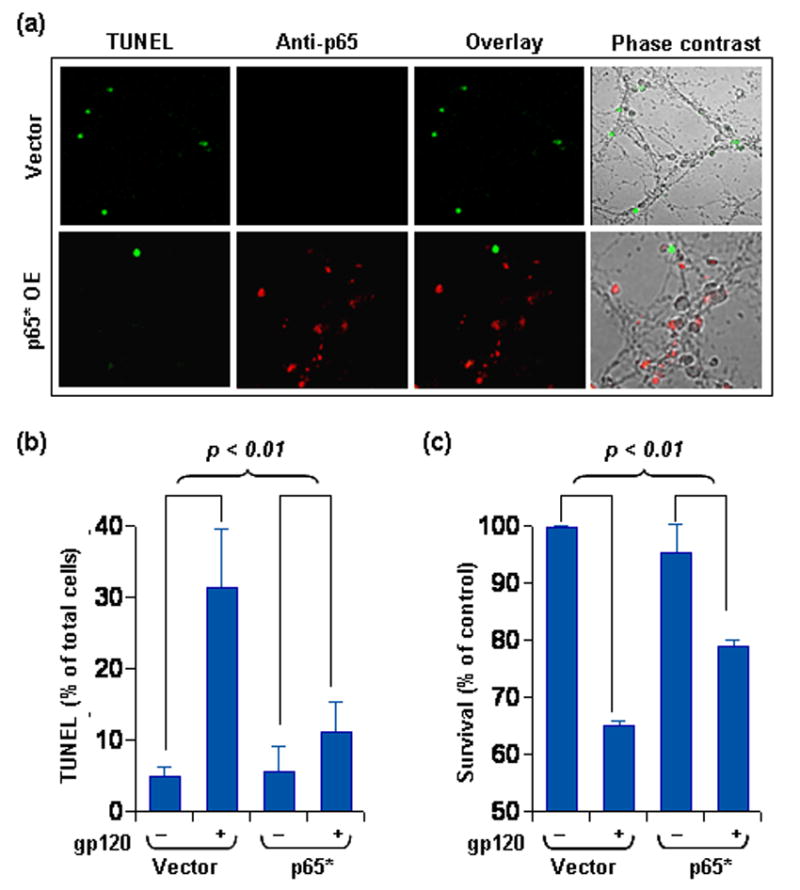
HIV-associated dementia, like several other neurodegenerative diseases, is characterized by selective degeneration of neurons amidst survival of glial cells like astroglia. The molecular basis of such selective susceptibility within the same milieu remains largely unknown. Neurons are rarely infected by the virus. However, they are vulnerable to viral products, like HIV-1 coat protein gp120. Interestingly, gp120 induced oxidative stress in neurons, but not in astroglia. This led us to postulate that astroglia were armed with a more efficient antioxidant system than neurons. Here, we report that the constitutive level of MnSOD (SOD2), the major cellular antioxidant enzyme, is significantly higher in astroglia than in neurons. Furthermore, gp120 treatment enhanced MnSOD levels in astroglia but decreased the same in neurons. This increase in astroglial MnSOD was dependent on NF-kappaB, the crucial transcription factor required for sod2 gene transcription. Blocking NF-kappaB with p65-antisense, p65-si-RNA, or a specific inhibitor, NBD peptide, led to reduced MnSOD levels and enhanced vulnerability of astroglia to gp120. Additionally, neurons were found to have a lower constitutive level of NF-kappaB p65 than astrocytes. Overexpression of p65 increased the level of MnSOD in neurons. This, in turn, elicited greater neuronal resistance to gp120. Taken together, our study suggests that astroglia manifest a higher threshold for gp120-induced lethality than neurons due to greater MnSOD availability, which is demonstrated due to greater level of NF-kappaB p65.
与其他几种神经退行性疾病一样,人类免疫缺陷病毒相关痴呆症的特征是在星形胶质细胞等神经胶质细胞存活的情况下神经元发生选择性退化。在相同环境中这种选择性易感性的分子基础仍然很大程度上未知。神经元很少被病毒感染。然而,它们易受病毒产物的影响,如HIV-1包膜蛋白gp120。有趣的是,gp120在神经元中诱导氧化应激,但在星形胶质细胞中则不然。这使我们推测星形胶质细胞具有比神经元更有效的抗氧化系统。在这里,我们报告主要的细胞抗氧化酶锰超氧化物歧化酶(SOD2)的组成水平在星形胶质细胞中明显高于神经元。此外,gp120处理可提高星形胶质细胞中的锰超氧化物歧化酶水平,但降低神经元中的该水平。星形胶质细胞中锰超氧化物歧化酶的这种增加依赖于NF-κB,即sod2基因转录所需的关键转录因子。用p65反义寡核苷酸、p65小干扰RNA或特异性抑制剂NBD肽阻断NF-κB会导致锰超氧化物歧化酶水平降低,并增加星形胶质细胞对gp120的易感性。此外,发现神经元中NF-κB p65的组成水平低于星形胶质细胞。p65的过表达增加了神经元中锰超氧化物歧化酶的水平。这反过来又引发了神经元对gp120的更大抗性。综上所述,我们的研究表明,由于更高水平的NF-κB p65导致更高的锰超氧化物歧化酶可用性,星形胶质细胞对gp120诱导的致死性表现出比神经元更高的阈值。