Sun Qing, Weber Christopher R, Sohail Anjum, Bernardo M Margarida, Toth Marta, Zhao Huiren, Turner Jerrold R, Fridman Rafael
Department of Pathology and Karmanos Cancer Institute, Wayne State University, Detroit, MI 48201, USA.
J Biol Chem. 2007 Jul 27;282(30):21998-2010. doi: 10.1074/jbc.M701737200. Epub 2007 May 18.
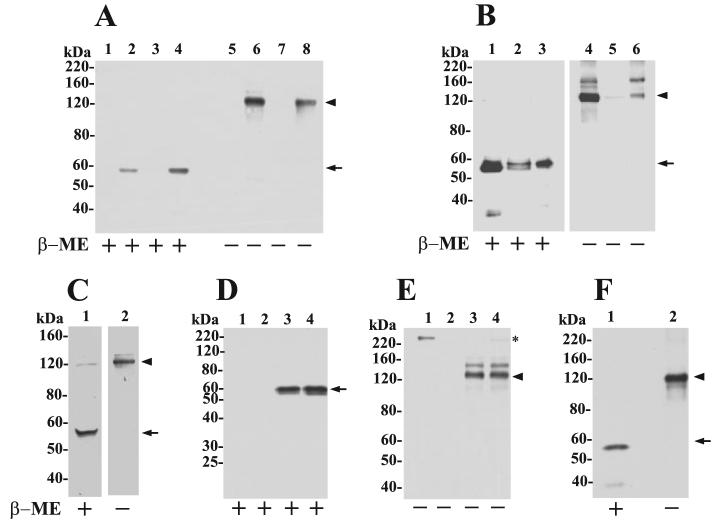
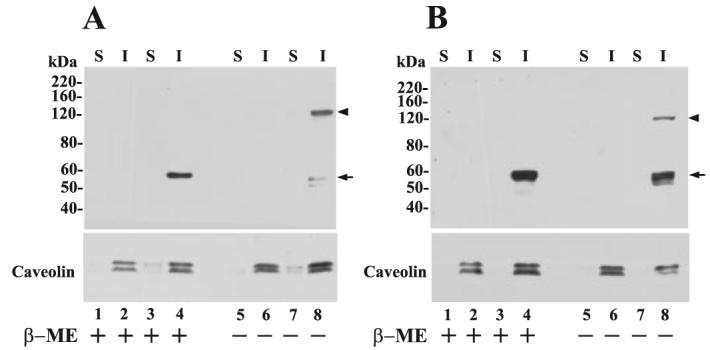
MMP25 (MT6-MMP) is one of the two glycosylphosphatidylinositol-anchored matrix metalloproteinases (MMPs) that have been suggested to play a role in pericellular proteolysis. However, its role in cancer is unknown, and its biochemical properties are not well established. Here we found a marked increase in MT6-MMP expression within in situ dysplasia and invasive cancer in 61 samples of human colon cancer. Expression of MT6-MMP in HCT-116 human colon cancer cells promoted tumori-genesis in nude mice. Histologically, the MT6-MMP-expressing tumors demonstrated an infiltrative leading edge in contrast to a rounded leading edge in vector control tumors. Biochemical and biosynthesis analyses revealed that MT6-MMP displayed on the cell surface exists as a major form of 120 kDa that likely represents enzyme homodimers linked by disulfide bonds. Upon reduction, a single 57-kDa active MT6-MMP was detected. Interestingly, neither membrane-anchored nor phosphatidylinositol-specific phospholipase C-released MT6-MMPs were found to be associated with tissue inhibitor of metalloproteinases (TIMPs) and did not activate pro-gelatinases (pro-MMP-2 and pro-MMP-9) even in the presence of exogenous TIMP-2 or TIMP-1. A catalytic domain of MT6-MMP was inhibited preferentially by TIMP-1 (K(i) = 0.2 nm) over TIMP-2 (K(i) = 2.0 nm), because of a slower association rate. These results show that MT6-MMP may play a role in colon cancer and exhibit unique biochemical and structural properties that may regulate proteolytic function at the cell surface.
MMP25(MT6-MMP)是两种糖基磷脂酰肌醇锚定的基质金属蛋白酶(MMP)之一,有人认为它在细胞周围蛋白水解中发挥作用。然而,其在癌症中的作用尚不清楚,其生化特性也未完全明确。在此,我们发现61例人类结肠癌原位发育异常和浸润性癌组织中MT6-MMP表达显著增加。HCT-116人结肠癌细胞中MT6-MMP的表达促进了裸鼠体内肿瘤的发生。组织学上,与载体对照肿瘤的圆形前缘相比,表达MT6-MMP的肿瘤显示出浸润性前缘。生化和生物合成分析表明,细胞表面展示的MT6-MMP主要以120 kDa的形式存在,可能代表通过二硫键连接的酶同二聚体。还原后,检测到单一的57 kDa活性MT6-MMP。有趣的是,无论是膜锚定的还是磷脂酰肌醇特异性磷脂酶C释放的MT6-MMP均未发现与金属蛋白酶组织抑制剂(TIMP)相关,即使在存在外源性TIMP-2或TIMP-1的情况下也不激活前明胶酶(前MMP-2和前MMP-9)。由于结合速率较慢,MT6-MMP的催化结构域被TIMP-1(K(i)=0.2 nm)优先抑制,而不是TIMP-2(K(i)=2.0 nm)。这些结果表明,MT6-MMP可能在结肠癌中发挥作用,并表现出独特的生化和结构特性,可能在细胞表面调节蛋白水解功能。