Buck Institute for Age Research, Novato, California, United States of America.
PLoS One. 2007 May 23;2(5):e465. doi: 10.1371/journal.pone.0000465.
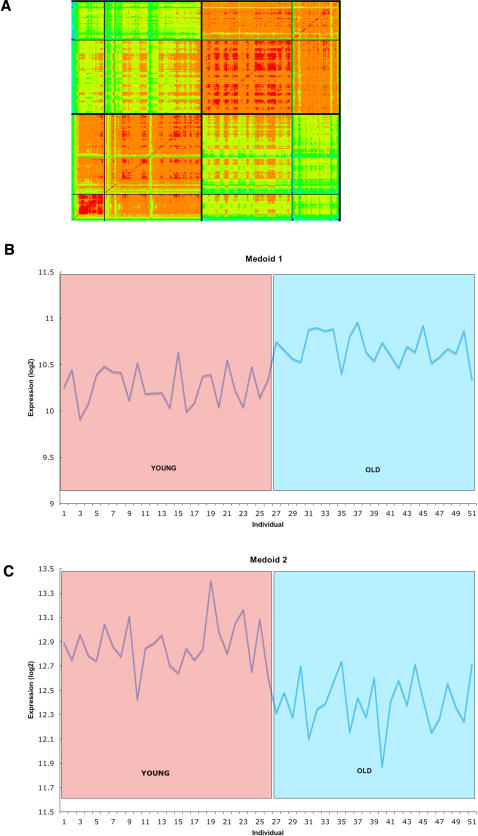
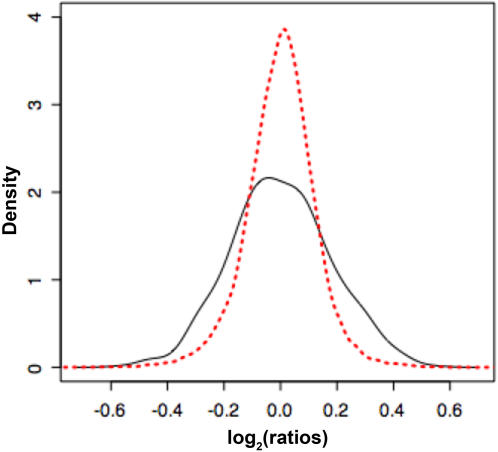
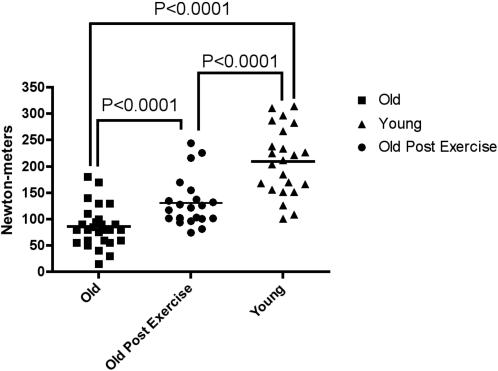
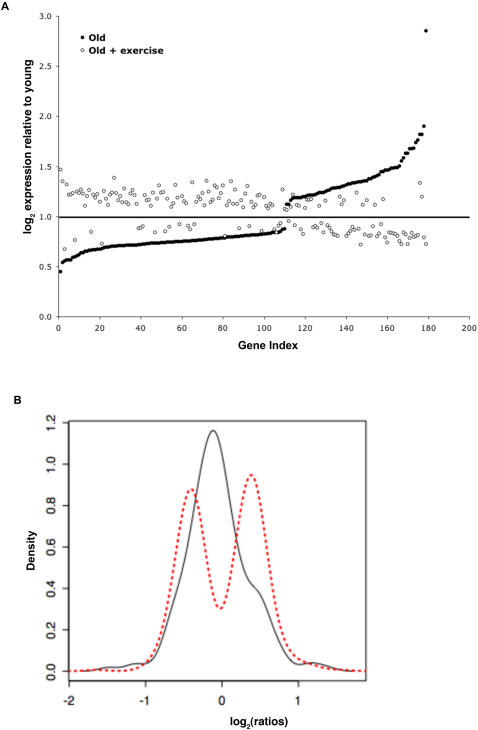
Human aging is associated with skeletal muscle atrophy and functional impairment (sarcopenia). Multiple lines of evidence suggest that mitochondrial dysfunction is a major contributor to sarcopenia. We evaluated whether healthy aging was associated with a transcriptional profile reflecting mitochondrial impairment and whether resistance exercise could reverse this signature to that approximating a younger physiological age. Skeletal muscle biopsies from healthy older (N = 25) and younger (N = 26) adult men and women were compared using gene expression profiling, and a subset of these were related to measurements of muscle strength. 14 of the older adults had muscle samples taken before and after a six-month resistance exercise-training program. Before exercise training, older adults were 59% weaker than younger, but after six months of training in older adults, strength improved significantly (P<0.001) such that they were only 38% lower than young adults. As a consequence of age, we found 596 genes differentially expressed using a false discovery rate cut-off of 5%. Prior to the exercise training, the transcriptome profile showed a dramatic enrichment of genes associated with mitochondrial function with age. However, following exercise training the transcriptional signature of aging was markedly reversed back to that of younger levels for most genes that were affected by both age and exercise. We conclude that healthy older adults show evidence of mitochondrial impairment and muscle weakness, but that this can be partially reversed at the phenotypic level, and substantially reversed at the transcriptome level, following six months of resistance exercise training.
人类衰老与骨骼肌萎缩和功能障碍(肌肉减少症)有关。有多项证据表明,线粒体功能障碍是肌肉减少症的主要原因。我们评估了健康衰老是否与反映线粒体损伤的转录谱有关,以及抗阻运动是否可以将这种特征逆转为更接近年轻生理年龄的特征。我们比较了健康的老年(N=25)和年轻(N=26)成年男女的骨骼肌活检,使用基因表达谱进行分析,其中一部分与肌肉力量测量有关。14 名老年参与者在进行为期 6 个月的抗阻运动训练计划前后进行了肌肉样本采集。在运动训练前,老年人的力量比年轻人低 59%,但经过 6 个月的训练后,老年人的力量显著提高(P<0.001),仅比年轻人低 38%。由于年龄的原因,我们使用错误发现率为 5%的截止值发现了 596 个差异表达的基因。在运动训练之前,转录组谱显示与年龄相关的线粒体功能相关基因明显富集。然而,在抗阻运动训练后,大多数受年龄和运动影响的基因的衰老转录特征明显逆转回年轻水平。我们的结论是,健康的老年人表现出线粒体损伤和肌肉无力的证据,但经过 6 个月的抗阻运动训练,这种表型水平可以部分逆转,转录组水平可以显著逆转。