Taffetani Silvia, Glaser Shannon, Francis Heather, DeMorrow Sharon, Ueno Yoshiyuki, Alvaro Domenico, Marucci Luca, Marzioni Marco, Fava Giammarco, Venter Julie, Vaculin Shelley, Vaculin Bradley, Lam Ian Pak-Yan, Lee Vien Hoi-Yi, Gaudio Eugenio, Carpino Guido, Benedetti Antonio, Alpini Gianfranco
Department of Gastroenterology, Università Politecnica delle Marche, Nuovo Polo Didattico, III piano, Ancona, Italy.
BMC Physiol. 2007 Jul 19;7:6. doi: 10.1186/1472-6793-7-6.
Prolactin promotes proliferation of several cells. Prolactin receptor exists as two isoforms: long and short, which activate different transduction pathways including the Ca2+-dependent PKC-signaling. No information exists on the role of prolactin in the regulation of the growth of female cholangiocytes. The rationale for using cholangiocytes from female rats is based on the fact that women are preferentially affected by specific cholangiopathies including primary biliary cirrhosis. We propose to evaluate the role and mechanisms of action by which prolactin regulates the growth of female cholangiocytes.
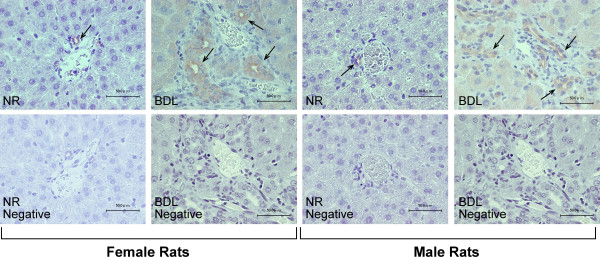
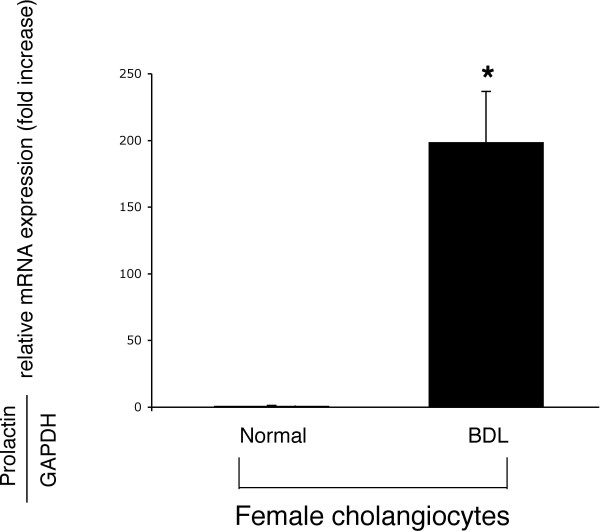
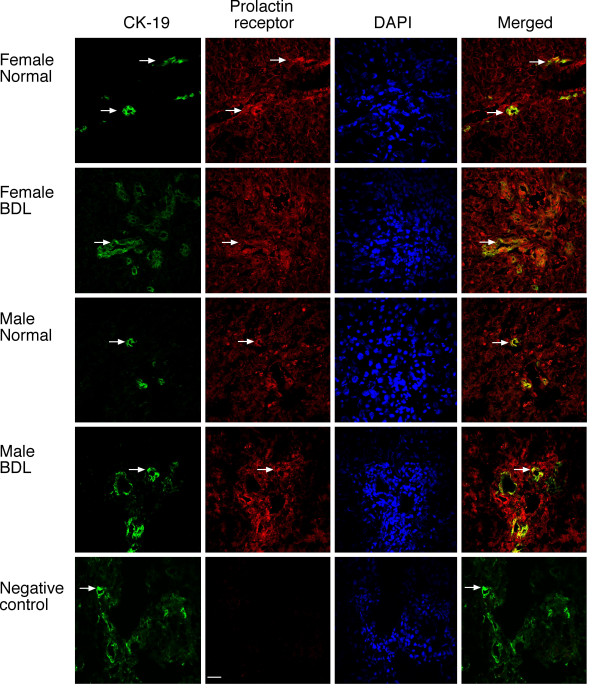
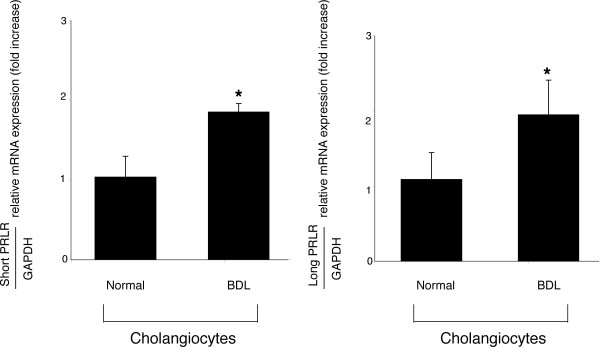
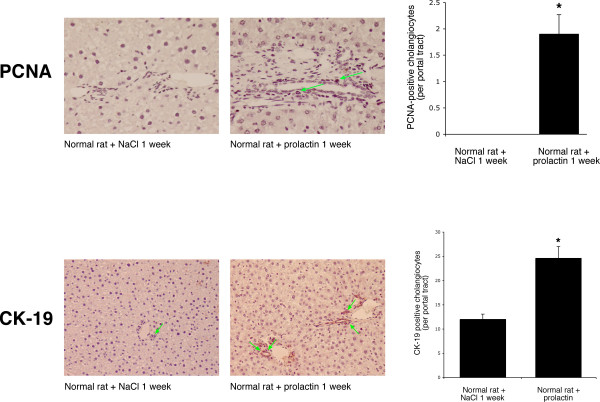
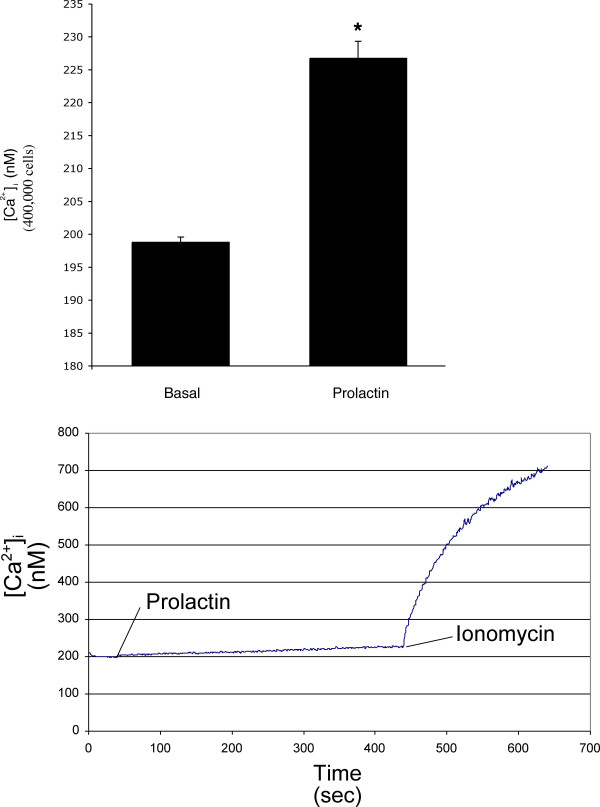
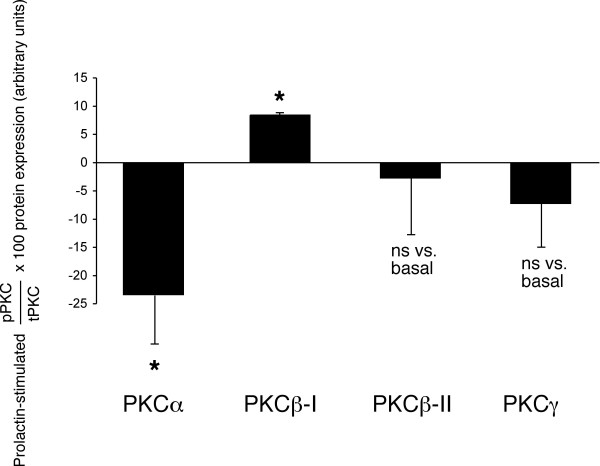
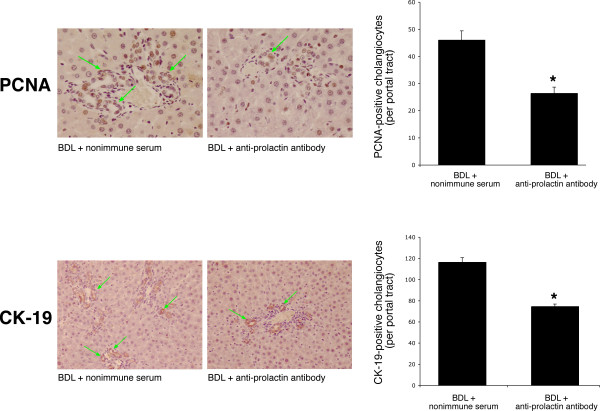
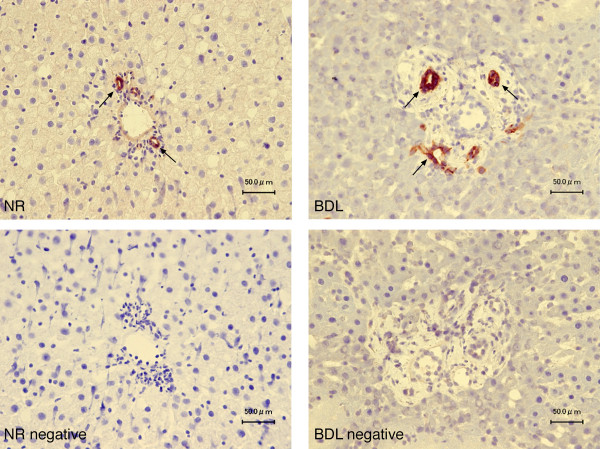
Normal cholangiocytes express both isoforms (long and short) of prolactin receptors, whose expression increased following BDL. The administration of prolactin to normal female rats increased cholangiocyte proliferation. In purified normal female cholangiocytes, prolactin stimulated cholangiocyte proliferation, which was associated with increased [Ca2+]i levels and PKCbeta-I phosphorylation but decreased PKCalpha phosphorylation. Administration of an anti-prolactin antibody to BDL female rats decreased cholangiocyte proliferation. Normal female cholangiocytes express and secrete prolactin, which was increased in BDL rats. The data show that prolactin stimulates normal cholangiocyte growth by an autocrine mechanism involving phosphorylation of PKCbeta-I and dephosphorylation of PKCalpha.
We suggest that in female rats: (i) prolactin has a trophic effect on the growth of normal cholangiocytes by phosphorylation of PKCbeta-I and dephosphorylation of PKCalpha; and (iii) cholangiocytes express and secrete prolactin, which by an autocrine mechanism participate in regulation of cholangiocyte proliferation. Prolactin may be an important therapeutic approach for the management of cholangiopathies affecting female patients.
催乳素可促进多种细胞增殖。催乳素受体存在两种异构体:长型和短型,它们激活不同的转导途径,包括钙依赖性蛋白激酶C信号传导。关于催乳素在雌性胆管细胞生长调节中的作用尚无相关信息。选用雌性大鼠胆管细胞的依据是,女性更容易受到包括原发性胆汁性肝硬化在内的特定胆管疾病的影响。我们旨在评估催乳素调节雌性胆管细胞生长的作用及作用机制。
正常胆管细胞表达催乳素受体的两种异构体(长型和短型),胆管结扎(BDL)后其表达增加。给正常雌性大鼠注射催乳素可增加胆管细胞增殖。在纯化的正常雌性胆管细胞中,催乳素刺激胆管细胞增殖,这与细胞内钙离子浓度([Ca2+]i)升高、蛋白激酶Cβ-I(PKCβ-I)磷酸化增加但蛋白激酶Cα(PKCα)磷酸化减少有关。给BDL雌性大鼠注射抗催乳素抗体可减少胆管细胞增殖。正常雌性胆管细胞表达并分泌催乳素,BDL大鼠中该激素水平升高。数据表明,催乳素通过涉及PKCβ-I磷酸化和PKCα去磷酸化的自分泌机制刺激正常胆管细胞生长。
我们认为在雌性大鼠中:(i)催乳素通过PKCβ-I磷酸化和PKCα去磷酸化对正常胆管细胞生长具有营养作用;(iii)胆管细胞表达并分泌催乳素,其通过自分泌机制参与胆管细胞增殖的调节。催乳素可能是治疗影响女性患者的胆管疾病的重要治疗方法。