Clark-Langone Kim M, Wu Jenny Y, Sangli Chithra, Chen Angela, Snable James L, Nguyen Anhthu, Hackett James R, Baker Joffre, Yothers Greg, Kim Chungyeul, Cronin Maureen T
Genomic Health, Inc, Redwood City, CA, USA.
BMC Genomics. 2007 Aug 15;8:279. doi: 10.1186/1471-2164-8-279.
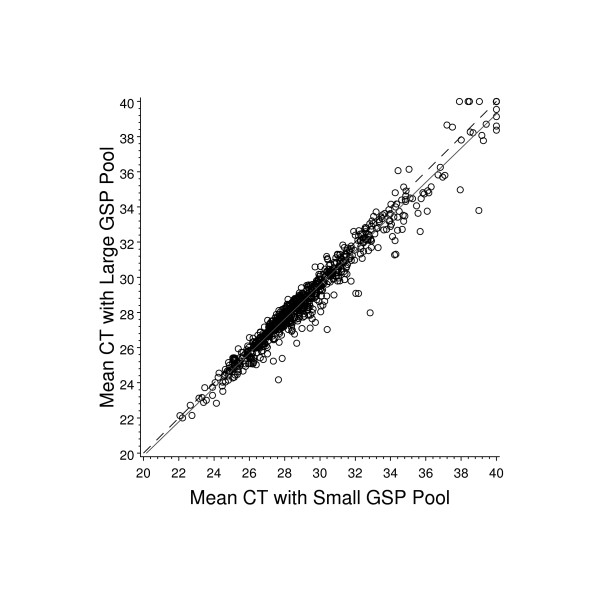
Reverse transcription PCR (RT-PCR) is widely recognized to be the gold standard method for quantifying gene expression. Studies using RT-PCR technology as a discovery tool have historically been limited to relatively small gene sets compared to other gene expression platforms such as microarrays. We have recently shown that TaqMan RT-PCR can be scaled up to profile expression for 192 genes in fixed paraffin-embedded (FPE) clinical study tumor specimens. This technology has also been used to develop and commercialize a widely used clinical test for breast cancer prognosis and prediction, the Onco typeDX assay. A similar need exists in colon cancer for a test that provides information on the likelihood of disease recurrence in colon cancer (prognosis) and the likelihood of tumor response to standard chemotherapy regimens (prediction). We have now scaled our RT-PCR assay to efficiently screen 761 biomarkers across hundreds of patient samples and applied this process to biomarker discovery in colon cancer. This screening strategy remains attractive due to the inherent advantages of maintaining platform consistency from discovery through clinical application.
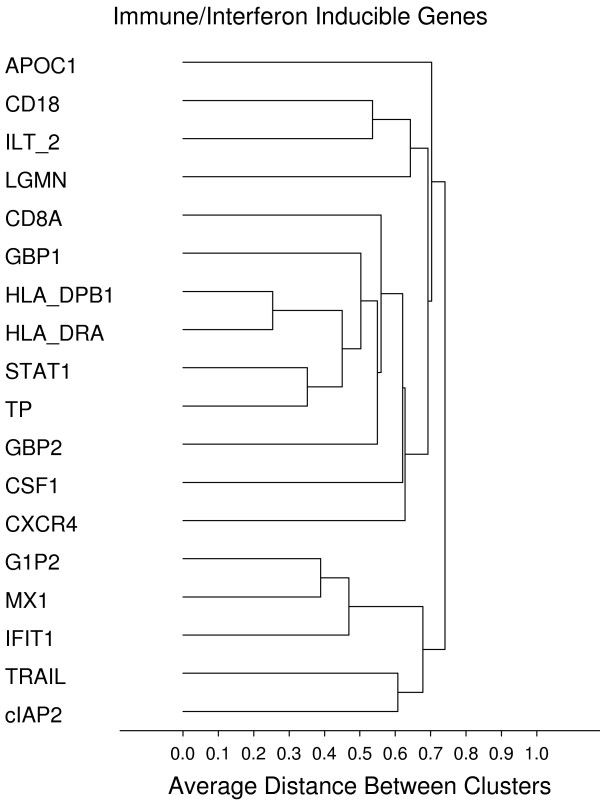
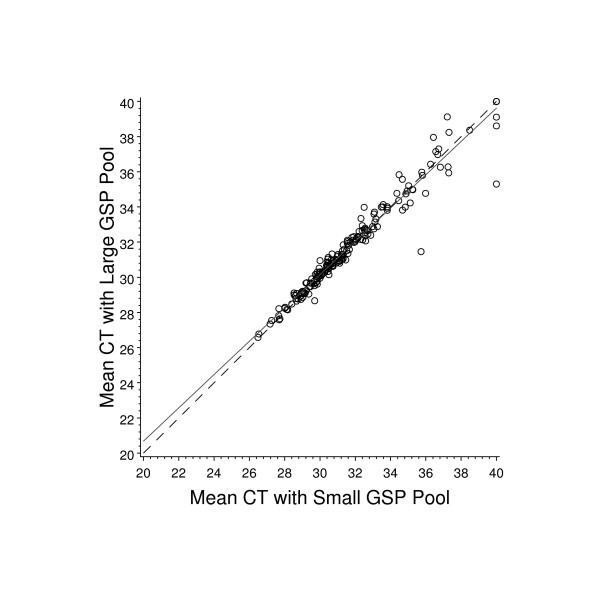
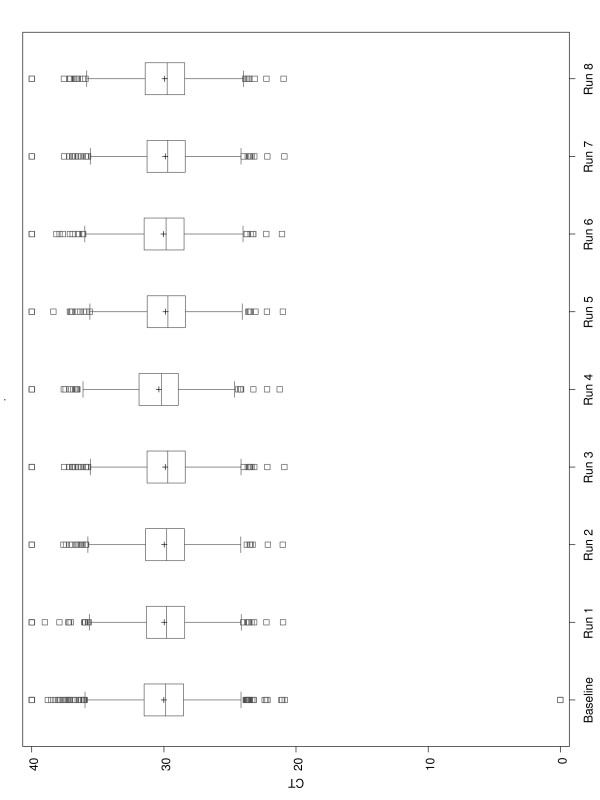
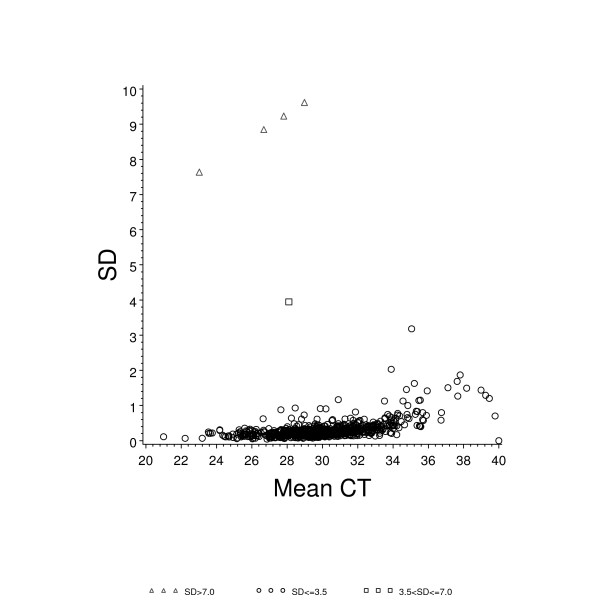
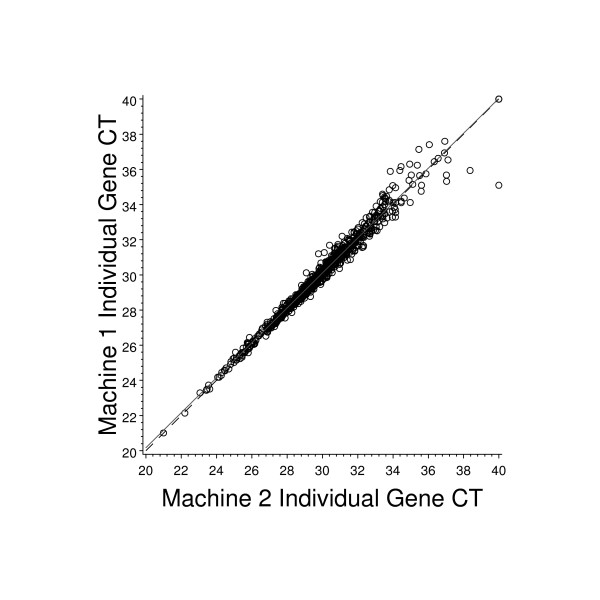
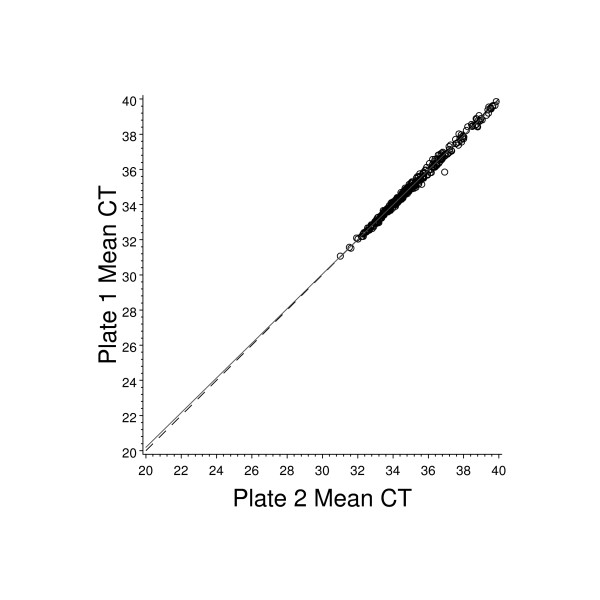
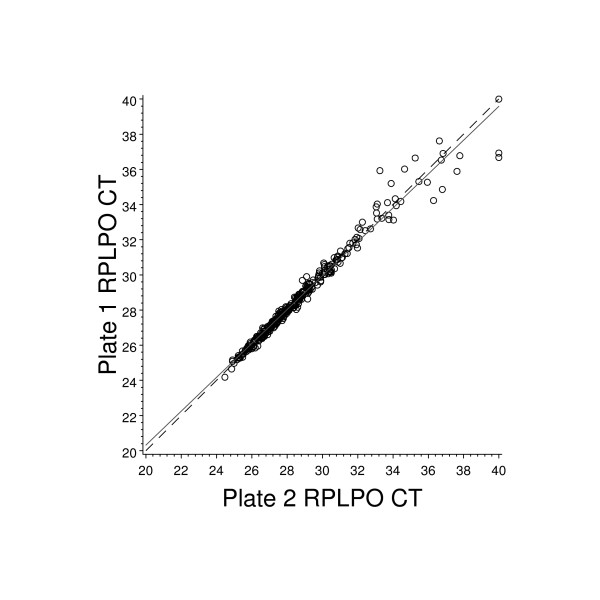
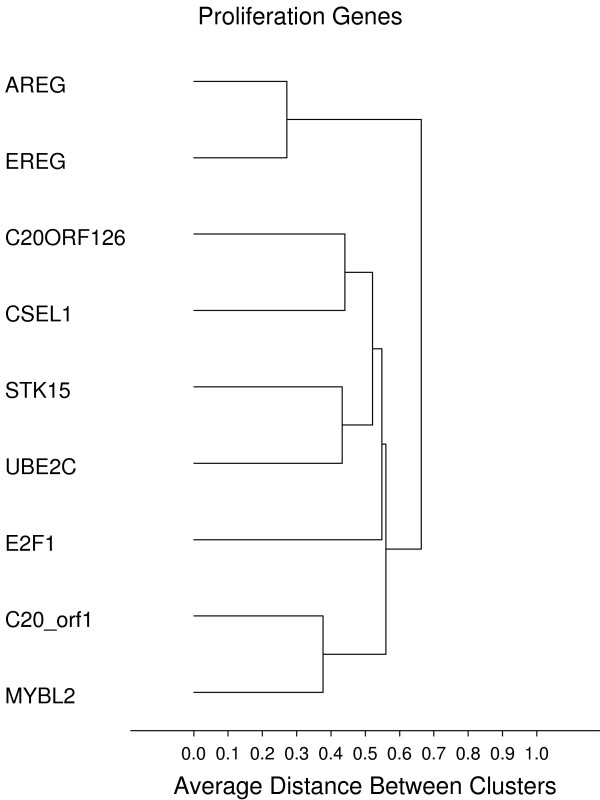
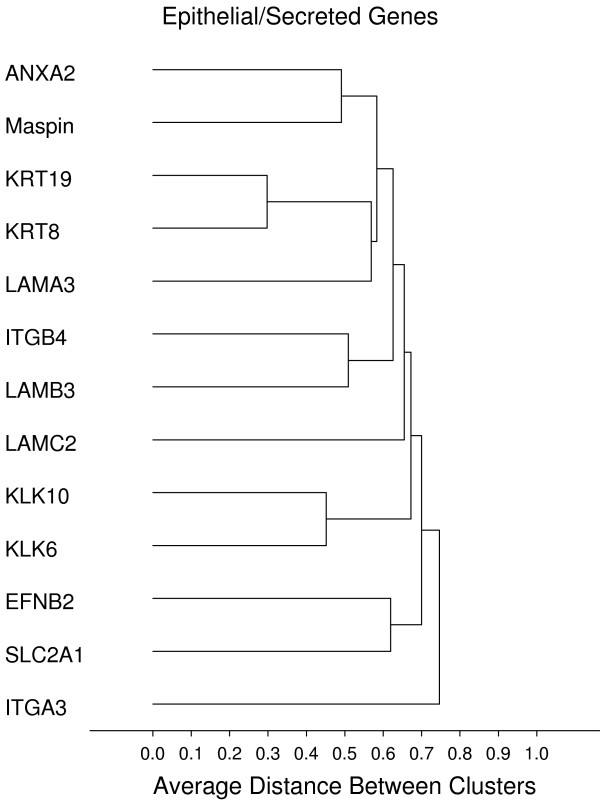
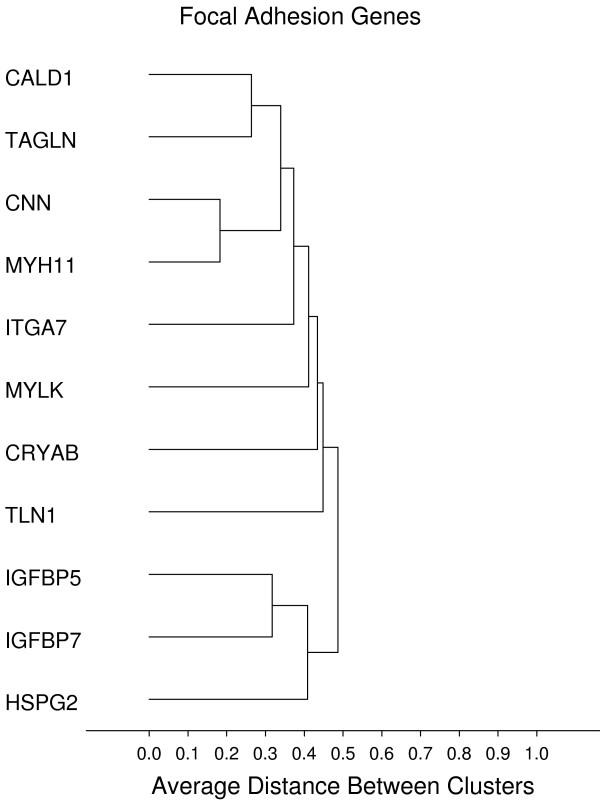
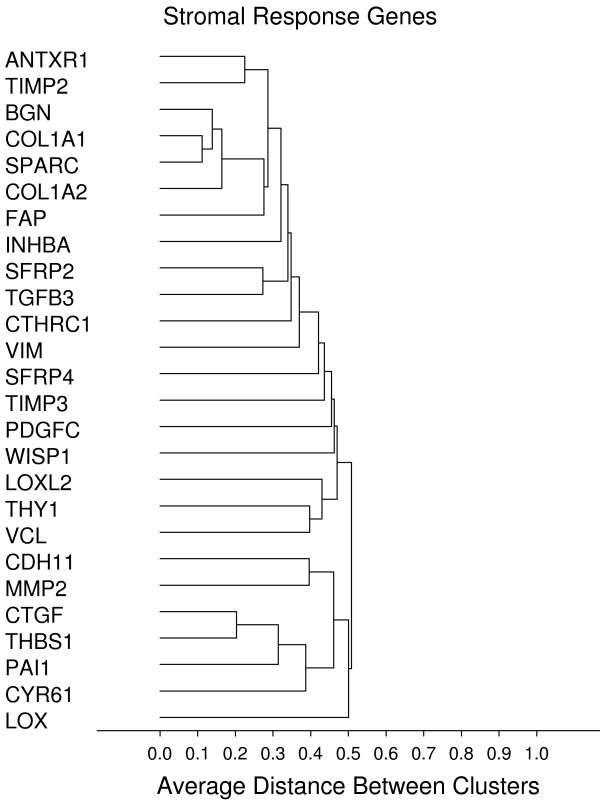
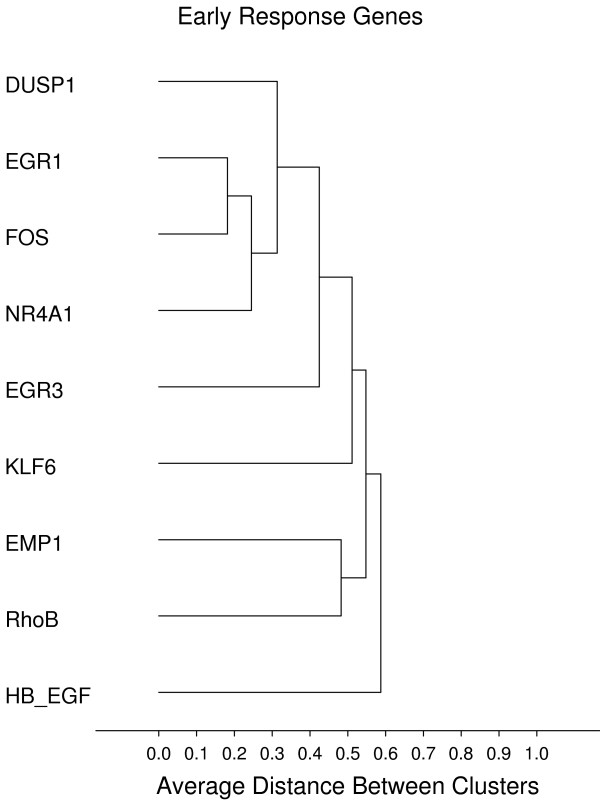
RNA was extracted from formalin fixed paraffin embedded (FPE) tissue, as old as 28 years, from 354 patients enrolled in NSABP C-01 and C-02 colon cancer studies. Multiplexed reverse transcription reactions were performed using a gene specific primer pool containing 761 unique primers. PCR was performed as independent TaqMan reactions for each candidate gene. Hierarchal clustering demonstrates that genes expected to co-express form obvious, distinct and in certain cases very tightly correlated clusters, validating the reliability of this technical approach to biomarker discovery.
We have developed a high throughput, quantitatively precise multi-analyte gene expression platform for biomarker discovery that approaches low density DNA arrays in numbers of genes analyzed while maintaining the high specificity, sensitivity and reproducibility that are characteristics of RT-PCR. Biomarkers discovered using this approach can be transferred to a clinical reference laboratory setting without having to re-validate the assay on a second technology platform.
逆转录聚合酶链反应(RT-PCR)被广泛认为是定量基因表达的金标准方法。与其他基因表达平台(如微阵列)相比,使用RT-PCR技术作为发现工具的研究历来仅限于相对较小的基因集。我们最近表明,TaqMan RT-PCR可以扩大规模,以分析固定石蜡包埋(FPE)临床研究肿瘤标本中192个基因的表达情况。该技术还被用于开发并商业化一种广泛应用的乳腺癌预后和预测临床检测方法——Oncotype DX检测。在结肠癌中,也同样需要一种检测方法,能够提供有关结肠癌疾病复发可能性(预后)以及肿瘤对标准化疗方案反应可能性(预测)的信息。我们现在已经扩大了RT-PCR检测规模,以有效筛选数百份患者样本中的761种生物标志物,并将此方法应用于结肠癌生物标志物的发现。由于从发现到临床应用保持平台一致性的固有优势,这种筛选策略仍然具有吸引力。
从参与NSABP C-01和C-02结肠癌研究的354名患者的福尔马林固定石蜡包埋(FPE)组织(时间长达28年)中提取RNA。使用包含761种独特引物的基因特异性引物池进行多重逆转录反应。对每个候选基因进行独立的TaqMan PCR反应。层次聚类表明,预期共表达的基因形成明显、独特且在某些情况下相关性非常紧密的聚类,验证了这种生物标志物发现技术方法的可靠性。
我们开发了一种用于生物标志物发现的高通量、定量精确的多分析物基因表达平台,在分析的基因数量上接近低密度DNA阵列,同时保持了RT-PCR特有的高特异性、高灵敏度和高重现性。使用这种方法发现的生物标志物可以转移到临床参考实验室环境中,而无需在第二个技术平台上重新验证检测方法。