Rao Sujata, Lobov Ivan B, Vallance Jefferson E, Tsujikawa Kaoru, Shiojima Ichiro, Akunuru Shailaja, Walsh Kenneth, Benjamin Laura E, Lang Richard A
Division of Pediatric Ophthalmology, Children's Hospital Research Foundation, University of Cincinnati, Cincinnati, OH 45229, USA.
Development. 2007 Dec;134(24):4449-58. doi: 10.1242/dev.012187.
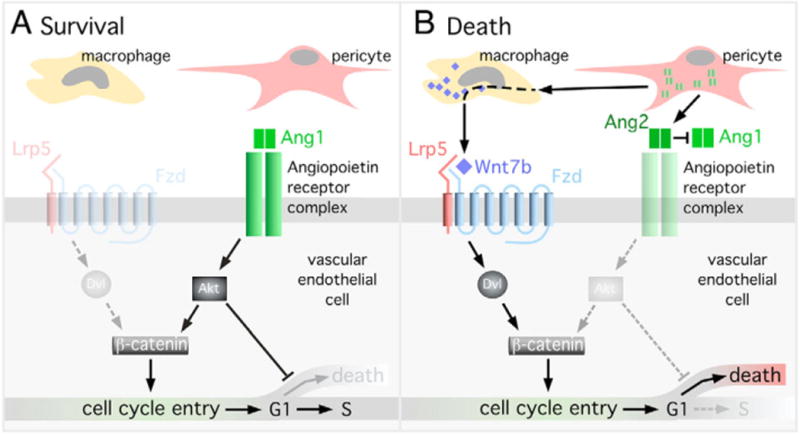
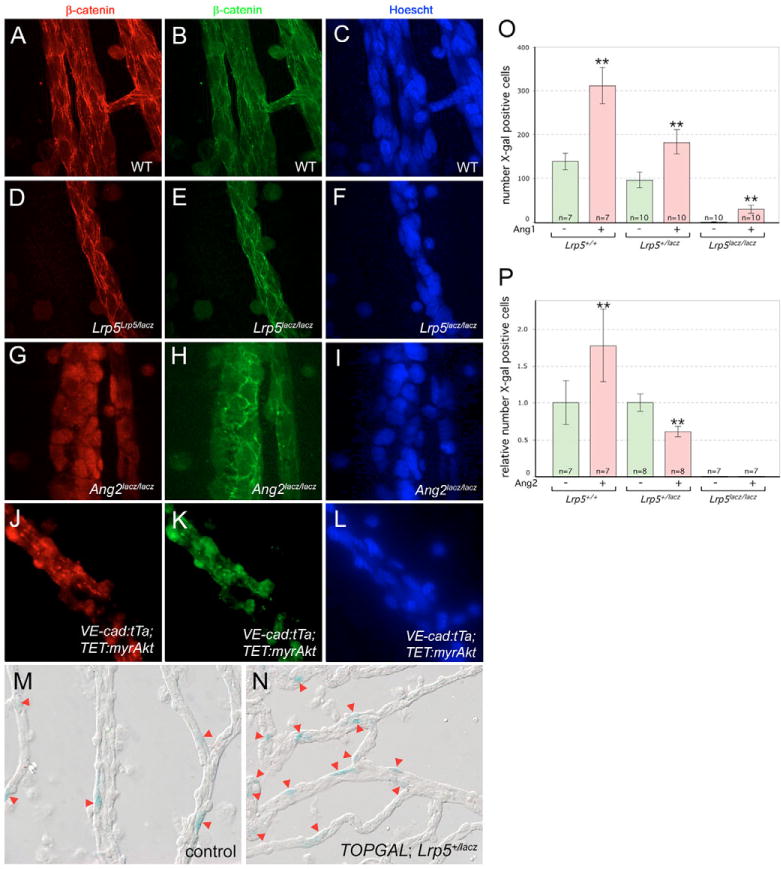
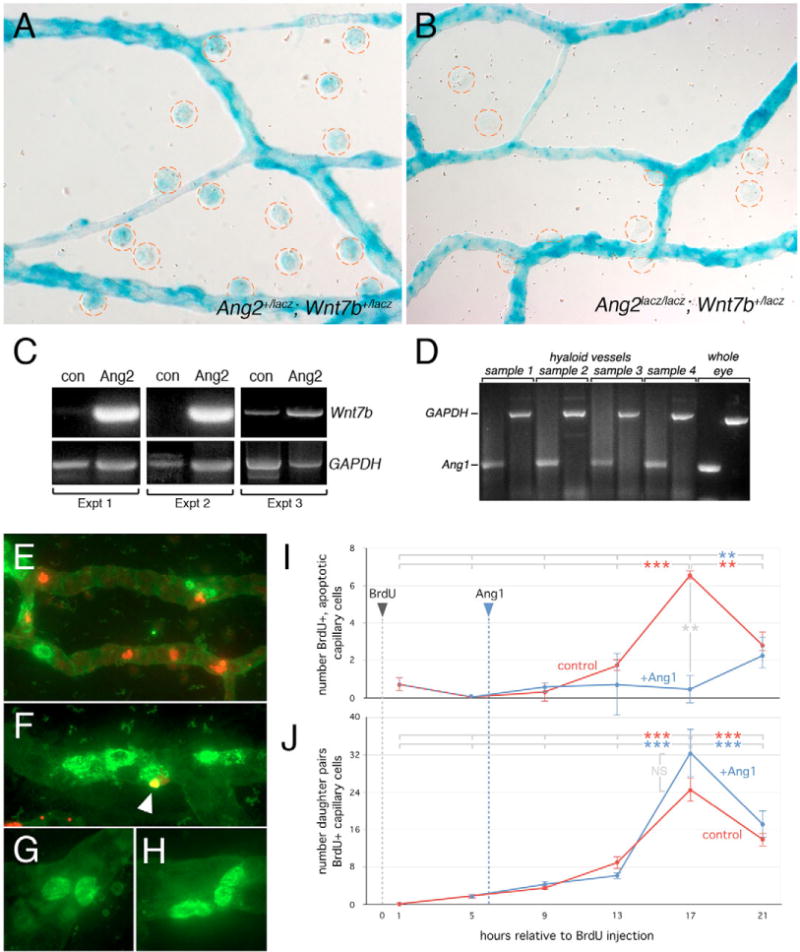
Macrophages have a critical function in the recognition and engulfment of dead cells. In some settings, macrophages also actively signal programmed cell death. Here we show that during developmentally scheduled vascular regression, resident macrophages are an obligatory participant in a signaling switch that favors death over survival. This switch occurs when the signaling ligand angiopoietin 2 has the dual effect of suppressing survival signaling in vascular endothelial cells (VECs) and stimulating Wnt ligand production by macrophages. In response to the Wnt ligand, VECs enter the cell cycle and in the absence of survival signals, die from G1 phase of the cell cycle. We propose that this mechanism represents an adaptation to ensure that the macrophage and its disposal capability are on hand when cell death occurs.
巨噬细胞在识别和吞噬死亡细胞方面具有关键作用。在某些情况下,巨噬细胞还会积极发出程序性细胞死亡的信号。在此我们表明,在发育过程中预定的血管退化期间,驻留巨噬细胞是信号转导开关中必不可少的参与者,该开关倾向于细胞死亡而非存活。当信号配体血管生成素2具有抑制血管内皮细胞(VECs)存活信号和刺激巨噬细胞产生Wnt配体的双重作用时,就会发生这种开关作用。作为对Wnt配体的反应,VECs进入细胞周期,并且在没有存活信号的情况下,从细胞周期的G1期死亡。我们提出,这种机制代表了一种适应性变化,以确保在细胞死亡发生时巨噬细胞及其清除能力随时可用。