Cuccia Antonino M, Campisi Giuseppina, Cannavale Rosangela, Colella Giuseppe
Department of Dental Sciences G.Messina, University of Palermo, Palermo, Italy.
Head Face Med. 2007 Dec 22;3:41. doi: 10.1186/1746-160X-3-41.
The aim of this paper was to determine the most common craniofacial changes in patients suffering Obstructive Sleep Apnea Syndrome (OSAS) with regards to the degree of obesity. Accordingly, cephalometric data reported in the literature was searched and analyzed.
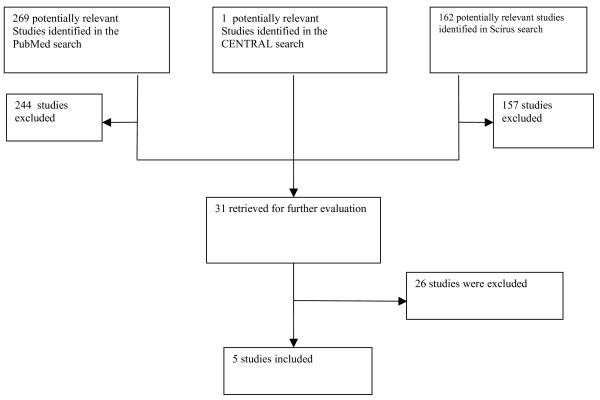
After a careful analysis of the literature from 1990 to 2006, 5 papers with similar procedural criteria were selected. Inclusion criteria were: recruitment of Caucasian patients with an apnea-hypopnea index (AHI) >10 as grouped in non-obese (Body Mass Index - [BMI] < 30) vs. obese (BMI > or = 30).
A low position of the hyoid bone was present in both groups. In non-obese patients, an increased value of the ANB angle and a reduced dimension of the cranial base (S-N) were found to be the most common finding, whereas major skeletal divergence (ANS-PNS ;Go-Me) was evident among obese patients. No strict association was found between OSAS and length of the soft palate.
In both non-obese and obese OSAS patients, skeletal changes were often evident; with special emphasis of intermaxillary divergence in obese patients. Unexpectedly, in obese OSAS patients, alterations of oropharyngeal soft tissue were not always present and did not prevail.
本文旨在确定阻塞性睡眠呼吸暂停综合征(OSAS)患者中与肥胖程度相关的最常见颅面变化。因此,对文献中报道的头影测量数据进行了检索和分析。
在对1990年至2006年的文献进行仔细分析后,选择了5篇具有相似程序标准的论文。纳入标准为:招募呼吸暂停低通气指数(AHI)>10的白种人患者,分为非肥胖组(体重指数 - [BMI]<30)和肥胖组(BMI>或 = 30)。
两组患者均存在舌骨低位。在非肥胖患者中,最常见的发现是ANB角增大和颅底(S-N)尺寸减小,而肥胖患者中主要骨骼差异(ANS-PNS;Go-Me)明显。未发现OSAS与软腭长度之间存在严格关联。
在非肥胖和肥胖的OSAS患者中,骨骼变化通常很明显;特别强调肥胖患者的上颌间差异。出乎意料的是,在肥胖的OSAS患者中,口咽软组织的改变并不总是存在,也不占主导地位。