Yang Li, Huang Jianhua, Ren Xiubao, Gorska Agnieszka E, Chytil Anna, Aakre Mary, Carbone David P, Matrisian Lynn M, Richmond Ann, Lin P Charles, Moses Harold L
Department of Cancer Biology, Vanderbilt University School of Medicine, Nashville, TN 37232, USA.
Cancer Cell. 2008 Jan;13(1):23-35. doi: 10.1016/j.ccr.2007.12.004.
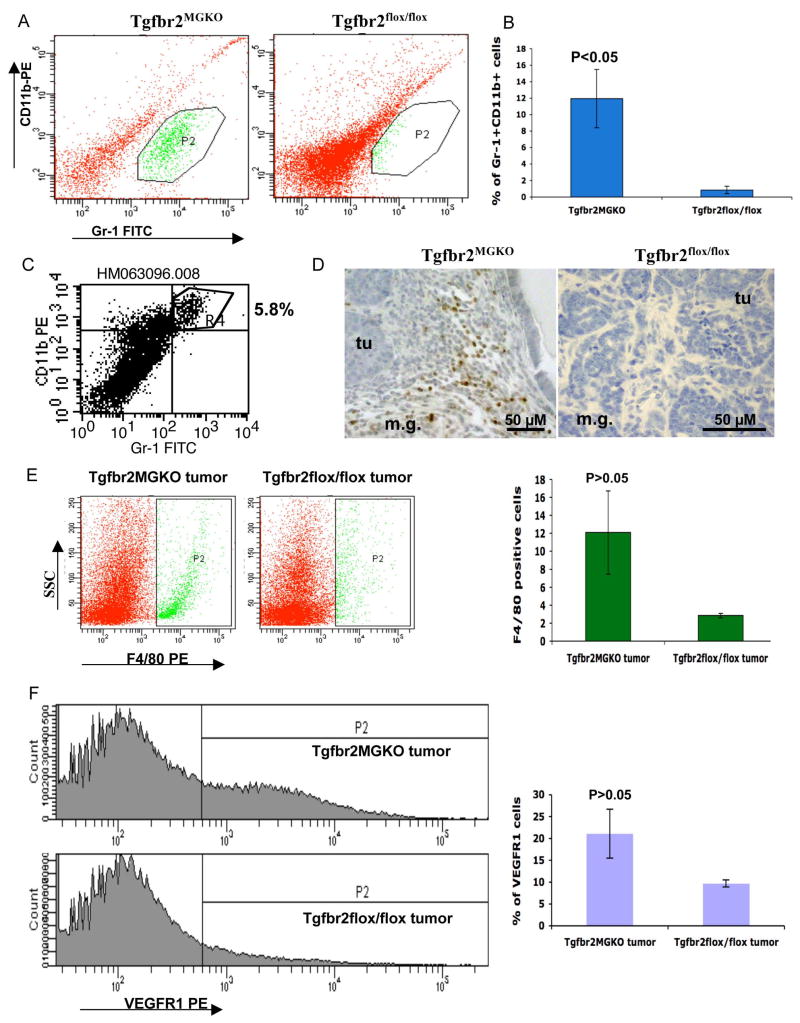
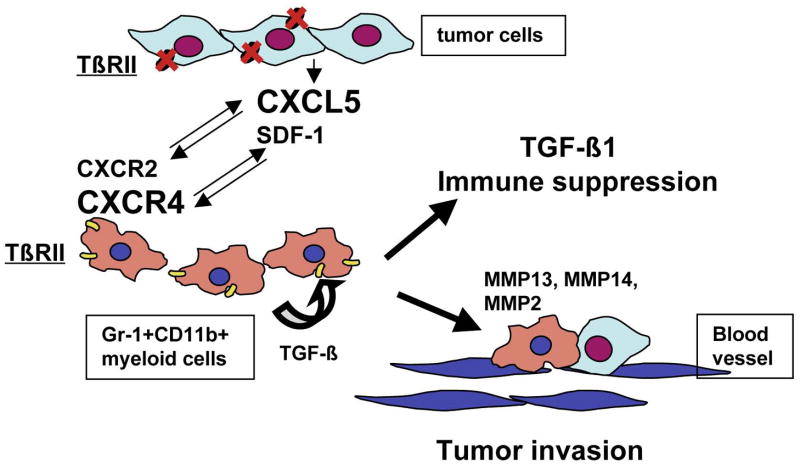
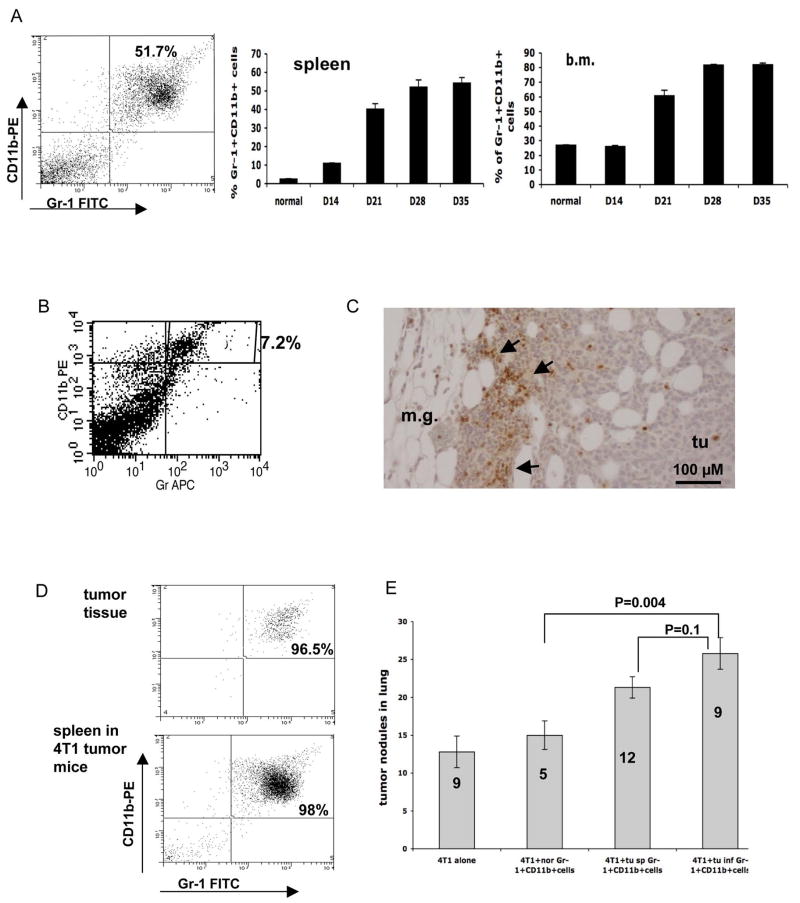
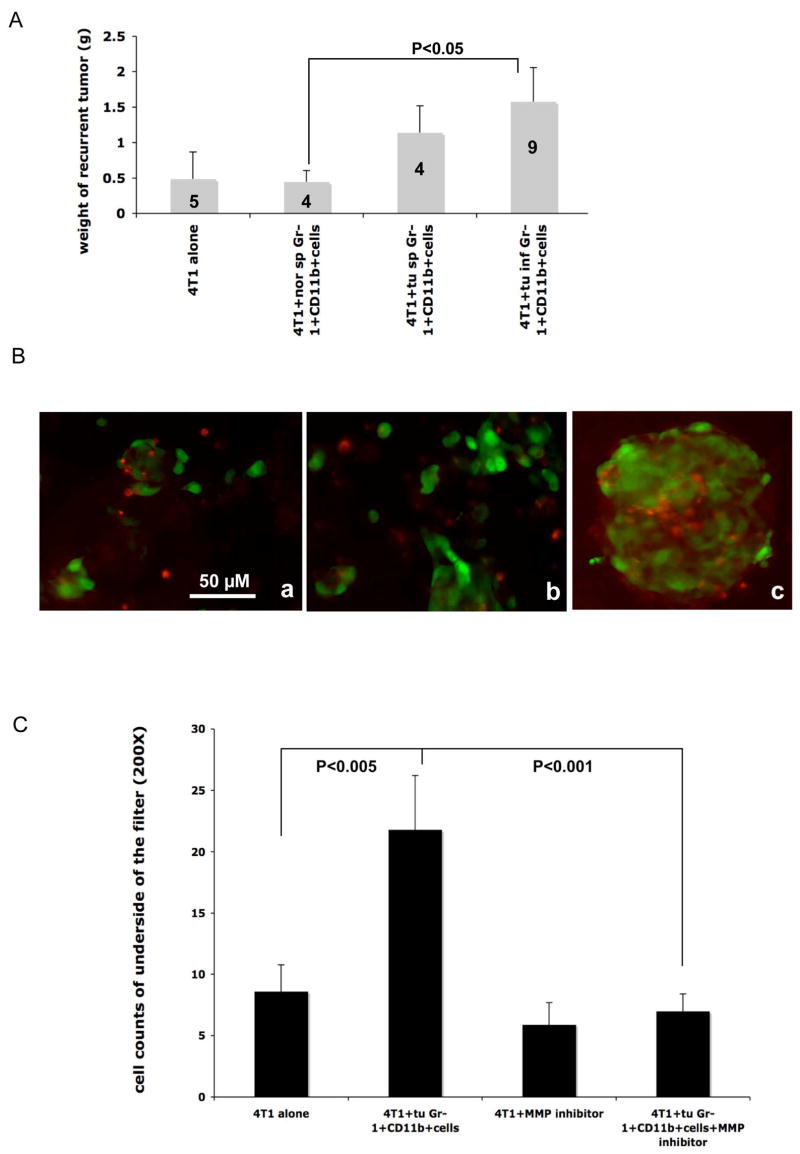
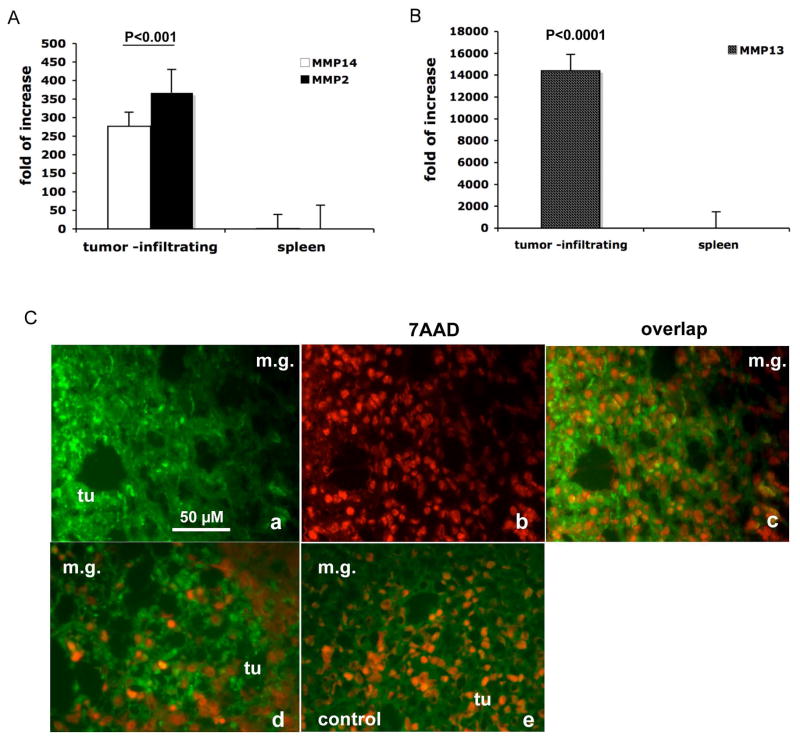
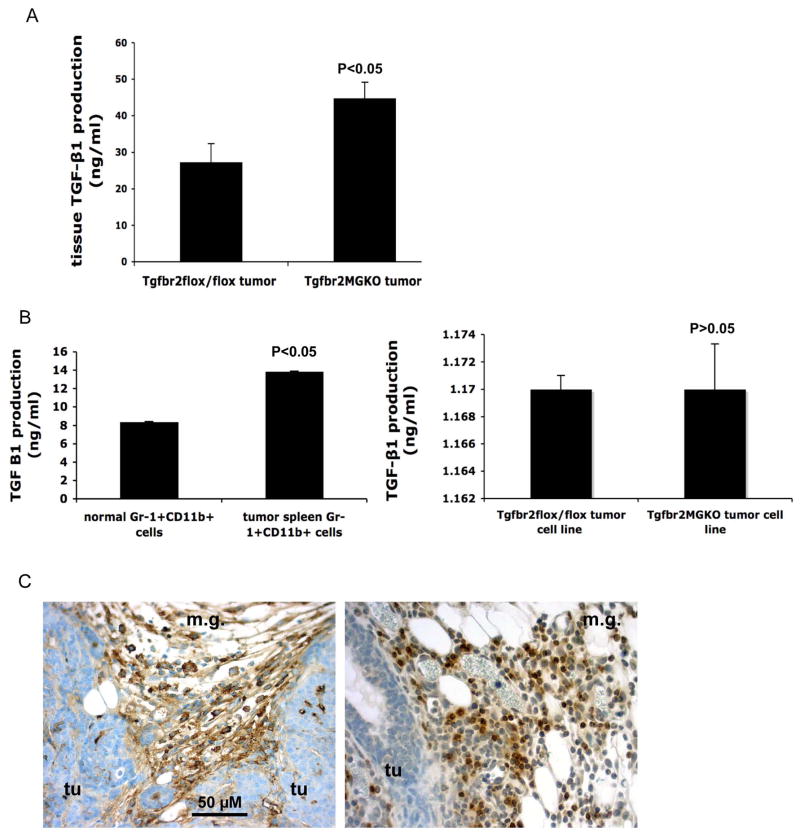
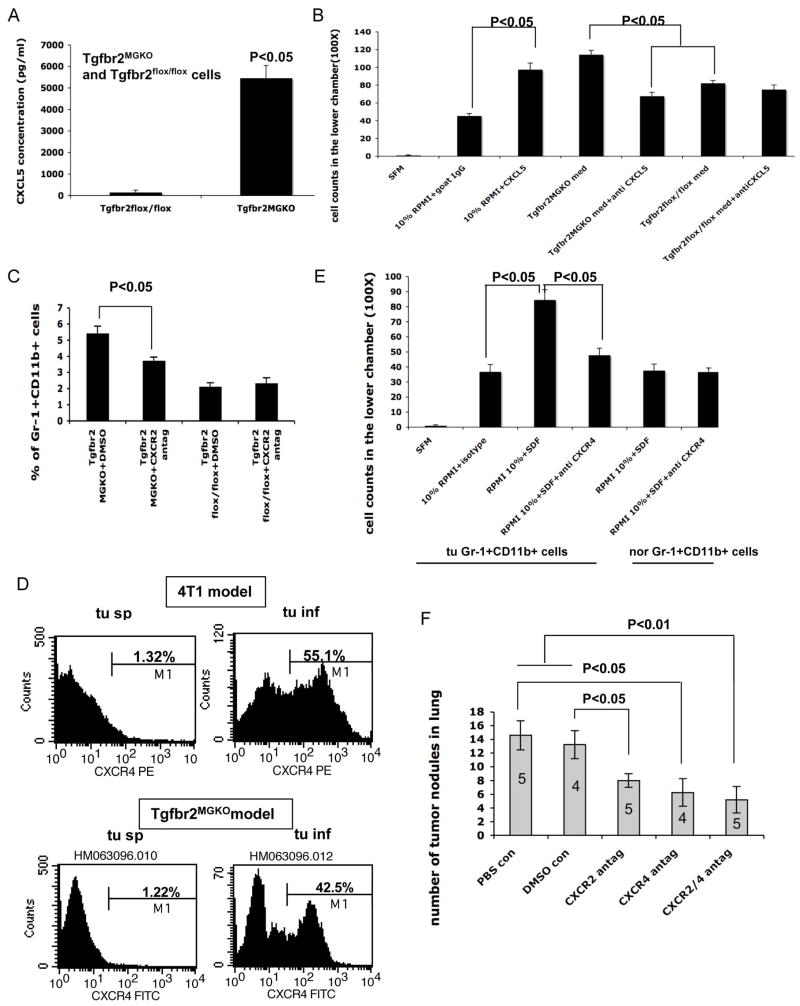
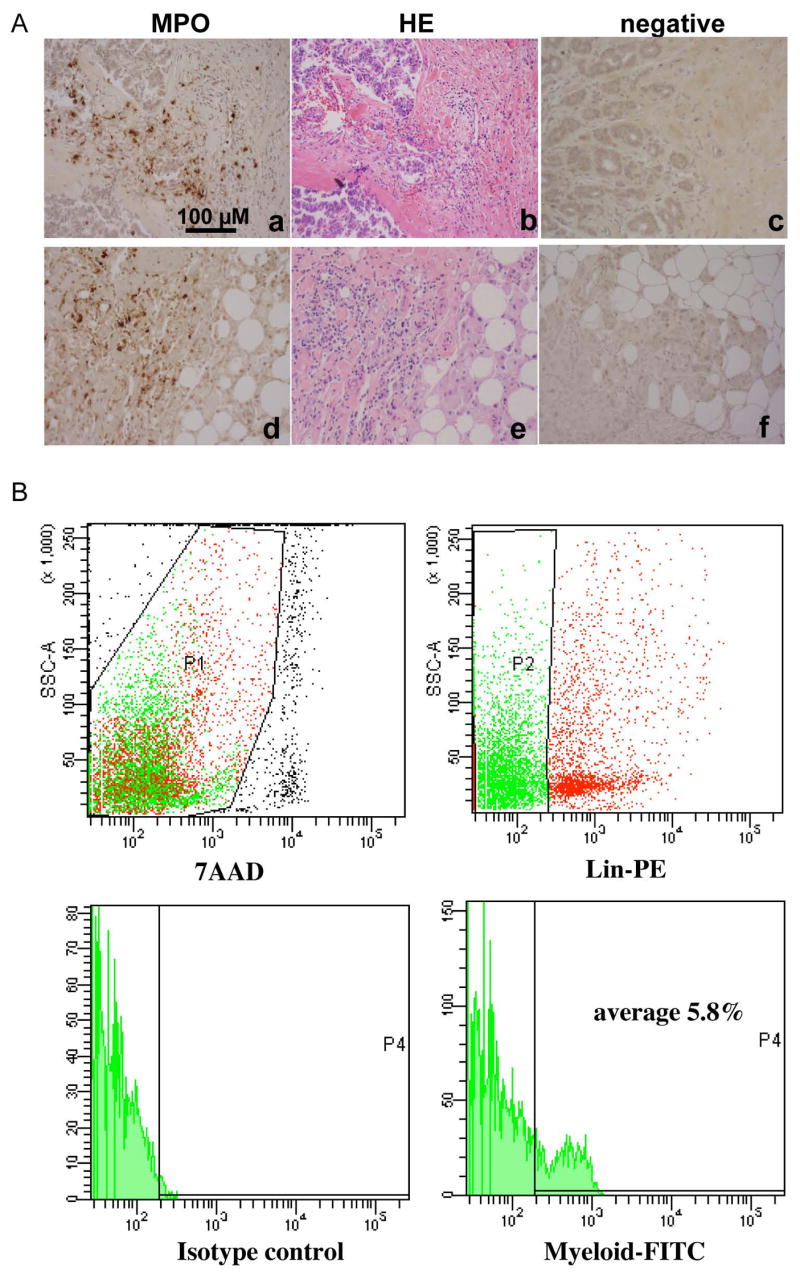
Aberrant TGFbeta signaling is common in human cancers and contributes to tumor metastasis. Here, we demonstrate that Gr-1+CD11b+ myeloid cells are recruited into mammary carcinomas with type II TGF beta receptor gene (Tgfbr2) deletion and directly promote tumor metastasis. Gr-1+CD11b+ cells infiltrate into the invasive front of tumor tissues and facilitate tumor cell invasion and metastasis through a process involving metalloproteinase activity. This infiltration of Gr-1+CD11b+ cells also results in increased abundance of TGF beta 1 in tumors with Tgfbr2 deletion. The recruitment of Gr-1+CD11b+ cells into tumors with Tgfbr2 deletion involves two chemokine receptor axes, the SDF-1/CXCR4 and CXCL5/CXCR2 axes. Together, these data indicate that Gr-1+CD11b+ cells contribute to TGFbeta-mediated metastasis through enhancing tumor cell invasion and metastasis.
异常的转化生长因子β(TGFβ)信号传导在人类癌症中很常见,并促进肿瘤转移。在此,我们证明Gr-1⁺CD11b⁺髓样细胞被募集到II型转化生长因子β受体基因(Tgfbr2)缺失的乳腺癌中,并直接促进肿瘤转移。Gr-1⁺CD11b⁺细胞浸润到肿瘤组织的侵袭前沿,并通过涉及金属蛋白酶活性的过程促进肿瘤细胞的侵袭和转移。Gr-1⁺CD11b⁺细胞的这种浸润还导致Tgfbr2缺失的肿瘤中TGFβ1丰度增加。Gr-1⁺CD11b⁺细胞募集到Tgfbr2缺失的肿瘤中涉及两个趋化因子受体轴,即SDF-1/CXCR4和CXCL5/CXCR2轴。总之,这些数据表明Gr-1⁺CD11b⁺细胞通过增强肿瘤细胞的侵袭和转移,促进TGFβ介导的转移。