Carper Michael J, Cade W Todd, Cam Margaret, Zhang Sheng, Shalev Anath, Yarasheski Kevin E, Ramanadham Sasanka
Washington University School of Medicine, Department of Internal Medicine, Division of Endocrinology, Metabolism, and Lipid Research, Southwest Tower, Room #846A, Campus Box 8127, 660 South Euclid Drive, St. Louis, MO 63110, USA.
Am J Physiol Endocrinol Metab. 2008 Mar;294(3):E558-67. doi: 10.1152/ajpendo.00167.2007. Epub 2008 Jan 2.
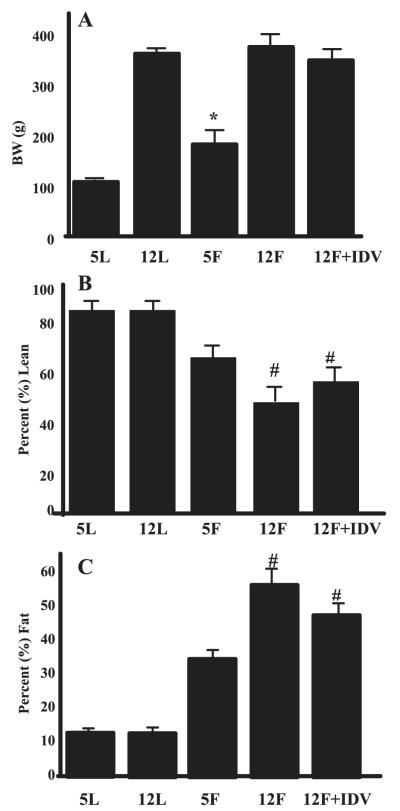
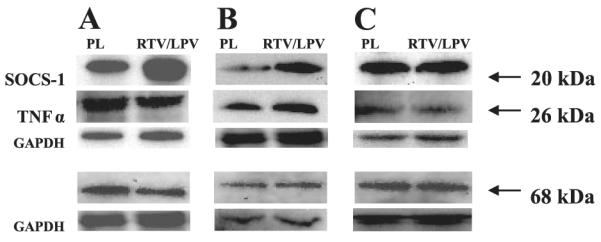
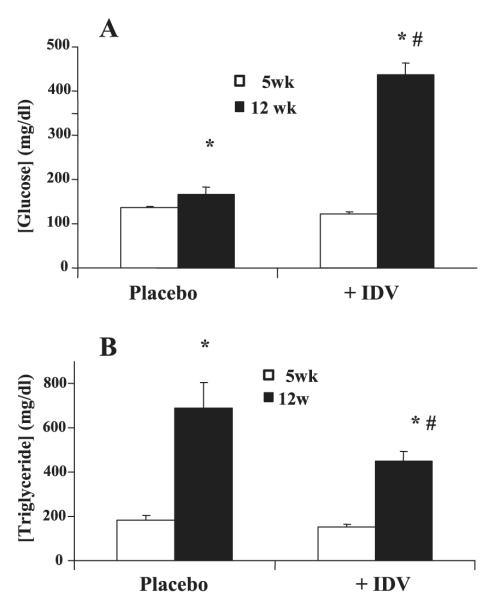
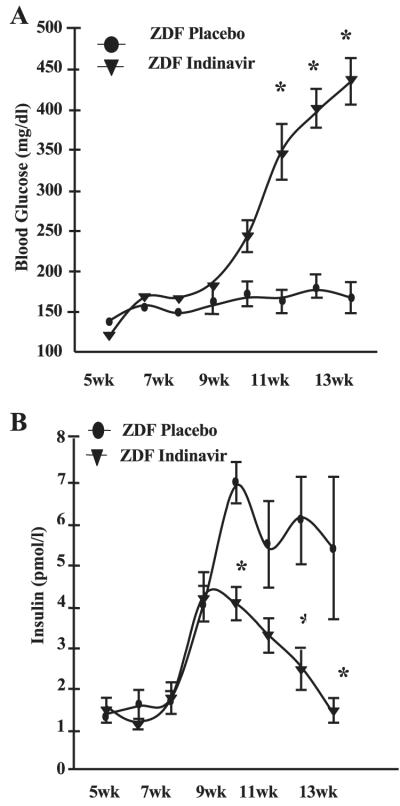
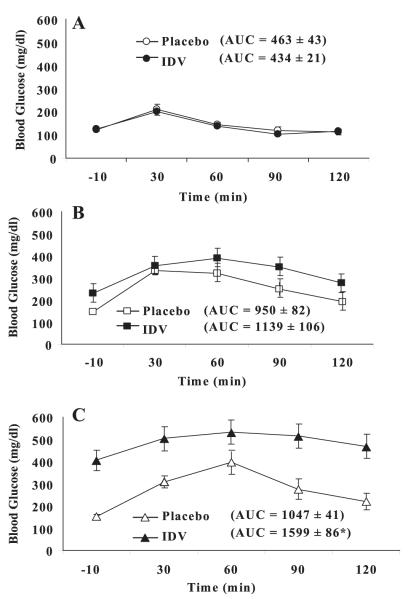
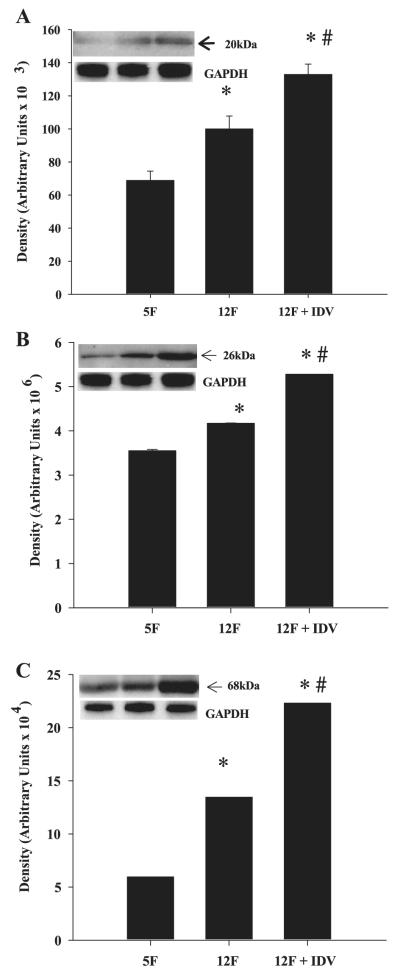
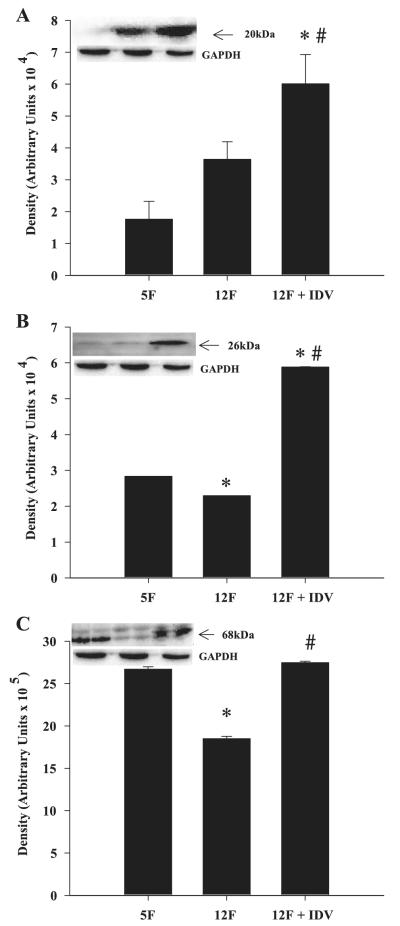
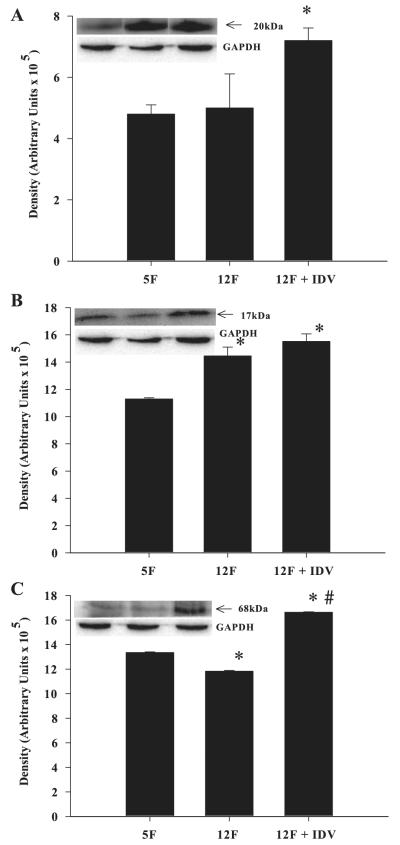
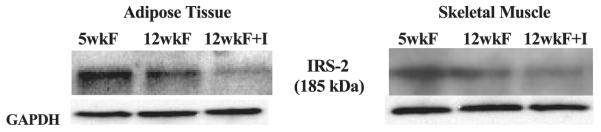
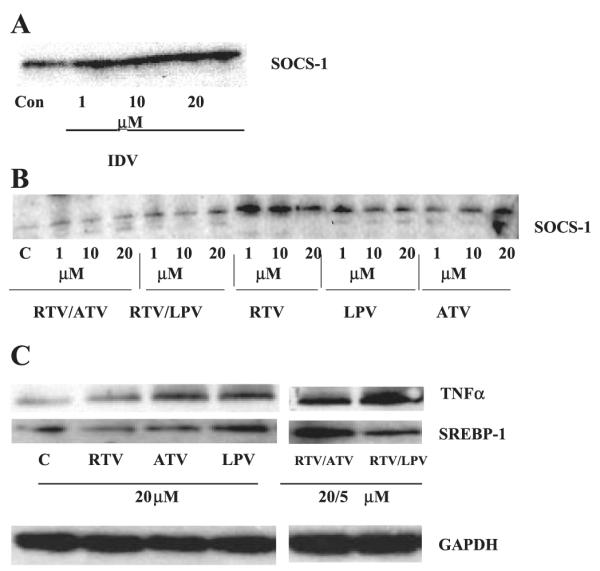
Insulin resistance, hyperglycemia, and type 2 diabetes are among the sequelae of metabolic syndromes that occur in 60-80% of human immunodeficiency virus (HIV)-positive patients treated with HIV-protease inhibitors (PIs). Studies to elucidate the molecular mechanism(s) contributing to these changes, however, have mainly focused on acute, in vitro actions of PIs. Here, we examined the chronic (7 wk) in vivo effects of the PI indinavir (IDV) in male Zucker diabetic fatty (fa/fa) (ZDF) rats. IDV exposure accelerated the diabetic state and dramatically exacerbated hyperglycemia and oral glucose intolerance in the ZDF rats, compared with vehicle-treated ZDF rats. Oligonucleotide gene array analyses revealed upregulation of suppressor of cytokine signaling-1 (SOCS-1) expression in insulin-sensitive tissues of IDV rats. SOCS-1 is a known inducer of insulin resistance and diabetes, and immunoblotting analyses revealed increases in SOCS-1 protein expression in adipose, skeletal muscle, and liver tissues of IDV-administered ZDF rats. This was associated with increases in the upstream regulator TNF-alpha and downstream effector sterol regulatory element-binding protein-1 and a decrease in IRS-2. IDV and other PIs currently in clinical use induced the SOCS-1 signaling cascade also in L6 myotubes and 3T3-L1 adipocytes exposed acutely to PIs under normal culturing conditions and in tissues from Zucker wild-type lean control rats administered PIs for 3 wk, suggesting an effect of these drugs even in the absence of background hyperglycemia/hyperlipidemia. Our findings therefore indicate that induction of the SOCS-1 signaling cascade by PIs could be an important contributing factor in the development of metabolic dysregulation associated with long-term exposures to HIV-PIs.
胰岛素抵抗、高血糖和2型糖尿病是代谢综合征的后遗症,在接受人类免疫缺陷病毒(HIV)蛋白酶抑制剂(PIs)治疗的60 - 80%的HIV阳性患者中出现。然而,旨在阐明促成这些变化的分子机制的研究主要集中在PIs的急性体外作用上。在此,我们研究了PI茚地那韦(IDV)对雄性Zucker糖尿病脂肪(fa/fa)(ZDF)大鼠的慢性(7周)体内作用。与给予赋形剂的ZDF大鼠相比,暴露于IDV加速了ZDF大鼠的糖尿病状态,并显著加剧了高血糖和口服葡萄糖不耐受。寡核苷酸基因芯片分析显示,IDV处理大鼠的胰岛素敏感组织中细胞因子信号传导抑制因子1(SOCS - 1)表达上调。SOCS - 1是已知的胰岛素抵抗和糖尿病诱导因子,免疫印迹分析显示,给予IDV的ZDF大鼠的脂肪、骨骼肌和肝脏组织中SOCS - 1蛋白表达增加。这与上游调节因子肿瘤坏死因子-α(TNF - α)和下游效应因子固醇调节元件结合蛋白-1的增加以及胰岛素受体底物-2(IRS - 2)的减少有关。IDV和目前临床使用的其他PIs在正常培养条件下急性暴露于PIs的L6肌管和3T3 - L1脂肪细胞中,以及在给予PIs 3周的Zucker野生型瘦对照大鼠的组织中也诱导了SOCS - 1信号级联反应,这表明即使在没有背景高血糖/高血脂的情况下,这些药物也有作用。因此,我们的研究结果表明,PIs诱导SOCS - 1信号级联反应可能是与长期暴露于HIV - PIs相关的代谢失调发展的一个重要促成因素。