Muraoka-Cook Rebecca S, Feng Shu-Mang, Strunk Karen E, Earp H Shelton
UNC-Lineberger Comprehensive Cancer Center, University of North Carolina Chapel Hill, 450 West Ave CB 7295, Chapel Hill, NC 27599, USA.
J Mammary Gland Biol Neoplasia. 2008 Jun;13(2):235-46. doi: 10.1007/s10911-008-9080-x. Epub 2008 Apr 25.
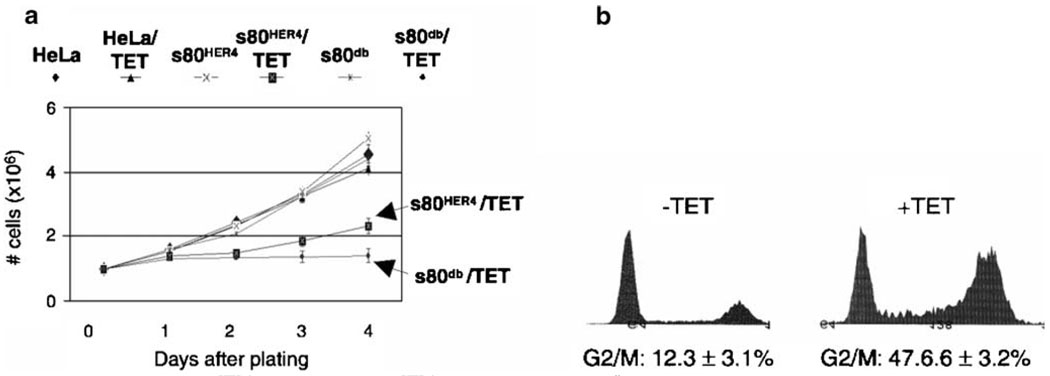
The ErbB receptor tyrosine kinase family has often been associated with increased growth of breast epithelial cells, as well as malignant transformation and progression. In contrast, ErbB4/HER4 exhibits unique attributes from a two step proteolytic cleavage which releases an 80 kilodalton, nuclear localizing, tyrosine kinase to a signal transduction mechanism that slows growth and stimulates differentiation of breast cells. This review provides an overview of ErbB4/HER4 in growth and differentiation of the mammary epithelium, including its physiologic role in development, the contrasting growth inhibition/tumor suppression and growth acceleration of distinct ErbB4/HER4 isoforms and a description of the unique cell cycle regulated pattern of nuclear HER4 ubiquitination and destruction.
表皮生长因子受体(ErbB)酪氨酸激酶家族常与乳腺上皮细胞的过度生长以及恶性转化和进展相关。相比之下,ErbB4/HER4具有独特的特性,其经历两步蛋白水解切割,释放出一个80千道尔顿、定位于细胞核的酪氨酸激酶,进而形成一种信号转导机制,该机制会减缓乳腺细胞的生长并刺激其分化。本综述概述了ErbB4/HER4在乳腺上皮细胞生长和分化中的作用,包括其在发育过程中的生理作用、不同ErbB4/HER4亚型的生长抑制/肿瘤抑制与生长加速的对比,以及对细胞核HER4泛素化和降解的独特细胞周期调控模式的描述。