Mattner Jochen, Savage Paul B, Leung Patrick, Oertelt Sabine S, Wang Vivien, Trivedi Omita, Scanlon Seth T, Pendem Krishna, Teyton Luc, Hart John, Ridgway William M, Wicker Linda S, Gershwin M Eric, Bendelac Albert
Howard Hughes Medical Institute, Committee on Immunology, Department of Pathology, University of Chicago, Chicago, IL 60637, USA.
Cell Host Microbe. 2008 May 15;3(5):304-15. doi: 10.1016/j.chom.2008.03.009.
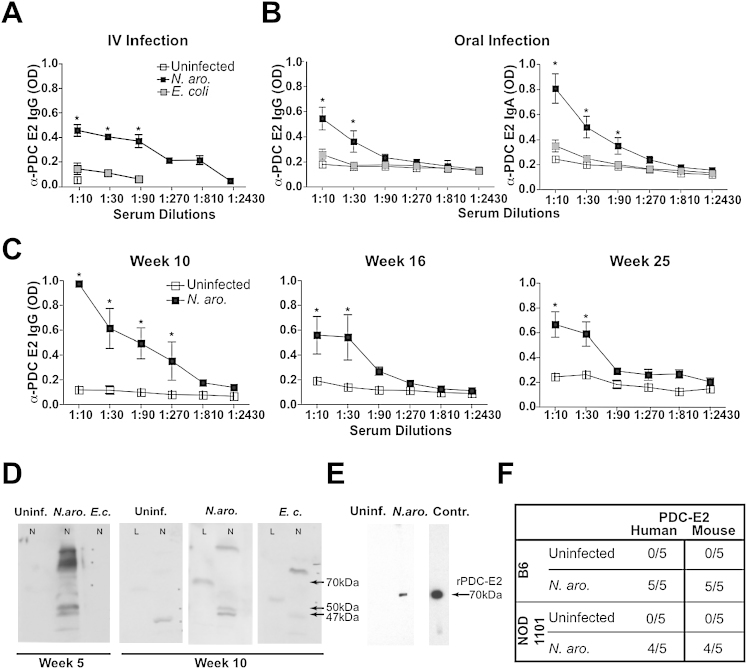
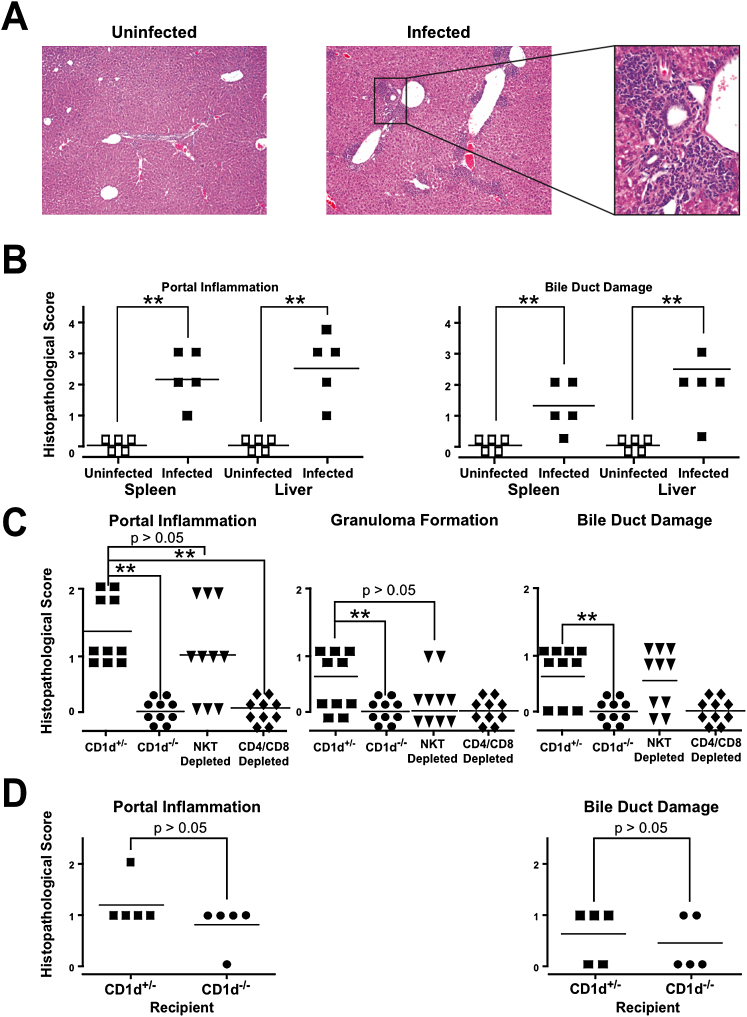
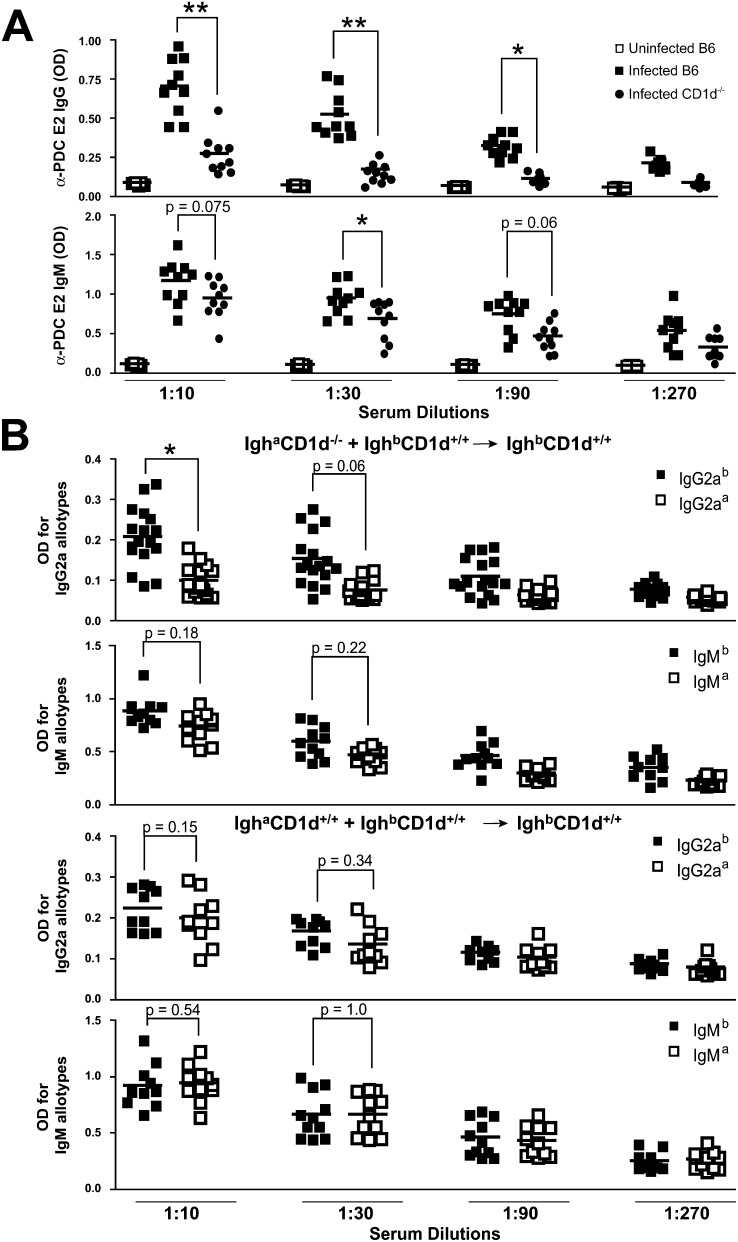
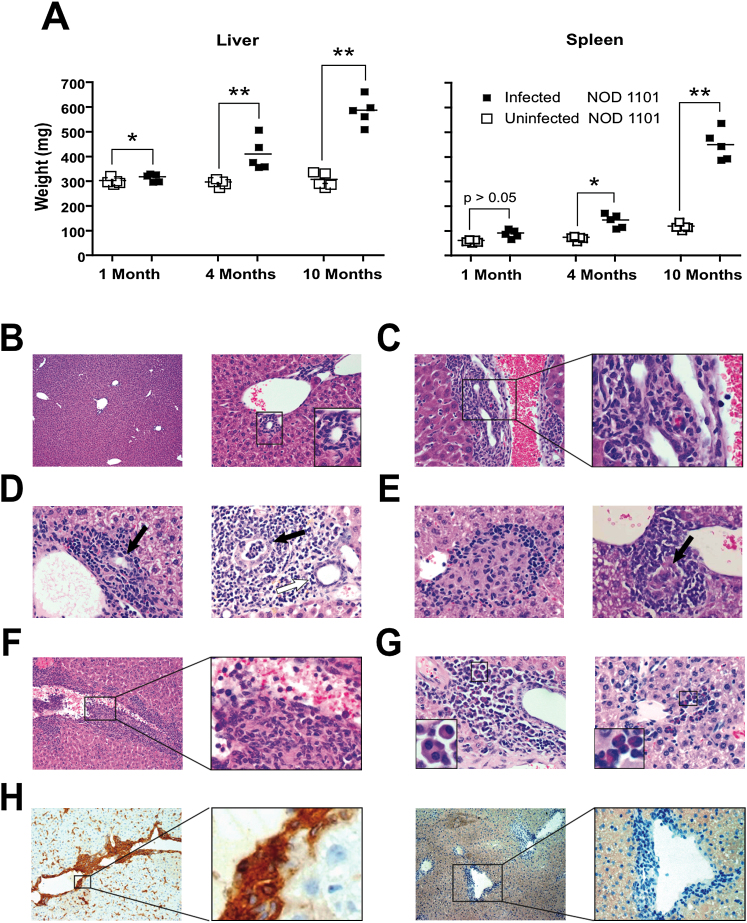
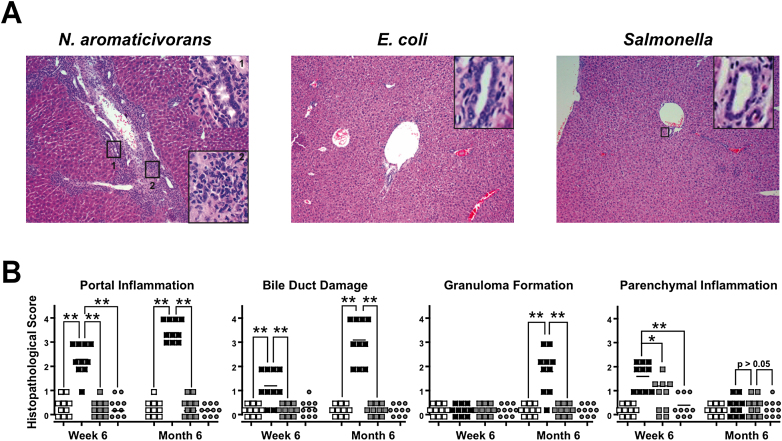
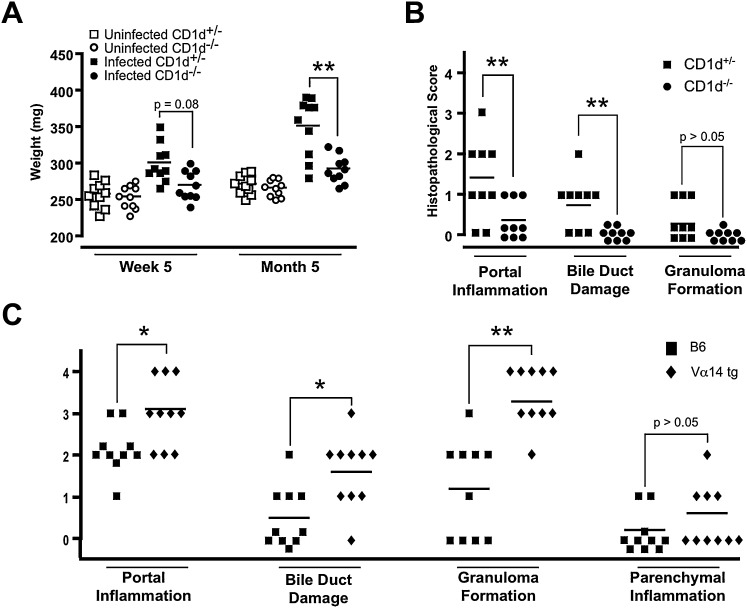
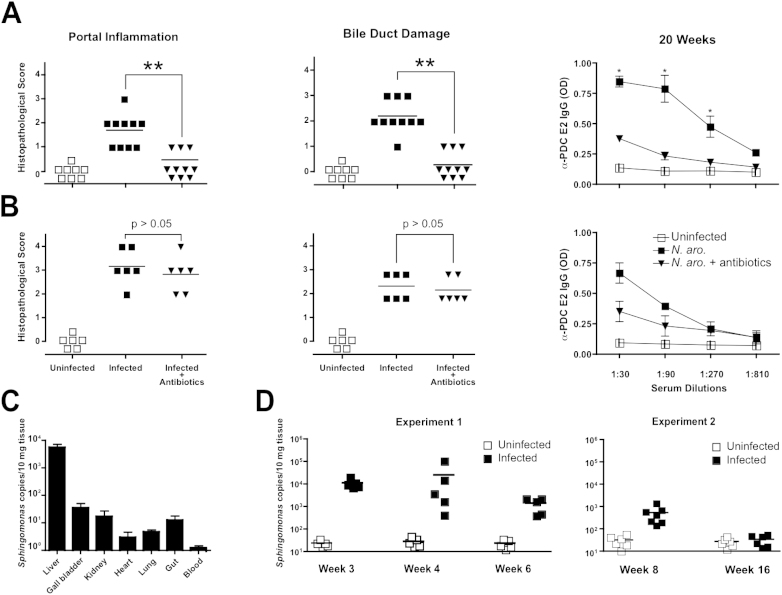
Humans with primary biliary cirrhosis (PBC), a disease characterized by the destruction of small bile ducts, exhibit signature autoantibodies against mitochondrial Pyruvate Dehydrogenase Complex E2 (PDC-E2) that crossreact onto the homologous enzyme of Novosphingobium aromaticivorans, an ubiquitous alphaproteobacterium. Here, we show that infection of mice with N. aromaticivorans induced signature antibodies against microbial PDC-E2 and its mitochondrial counterpart but also triggered chronic T cell-mediated autoimmunity against small bile ducts. Disease induction required NKT cells, which specifically respond to N. aromaticivorans cell wall alpha-glycuronosylceramides presented by CD1d molecules. Combined with the natural liver tropism of NKT cells, the accumulation of N. aromaticivorans in the liver likely explains the liver specificity of destructive responses. Once established, liver disease could be adoptively transferred by T cells independently of NKT cells and microbes, illustrating the importance of early microbial activation of NKT cells in the initiation of autonomous, organ-specific autoimmunity.
原发性胆汁性肝硬化(PBC)患者的特征是小胆管遭到破坏,这些患者体内会出现针对线粒体丙酮酸脱氢酶复合体E2(PDC-E2)的标志性自身抗体,该抗体能与普遍存在的α-变形菌——食芳烃新鞘氨醇菌的同源酶发生交叉反应。在此,我们表明,用食芳烃新鞘氨醇菌感染小鼠会诱导产生针对微生物PDC-E2及其线粒体对应物的标志性抗体,而且还会引发针对小胆管的慢性T细胞介导的自身免疫反应。疾病的诱发需要NKT细胞,NKT细胞会对由CD1d分子呈递的食芳烃新鞘氨醇菌细胞壁α-糖基神经酰胺产生特异性反应。结合NKT细胞天然的肝脏嗜性,食芳烃新鞘氨醇菌在肝脏中的积聚可能解释了破坏性反应的肝脏特异性。一旦肝病形成,可通过T细胞进行过继转移,而与NKT细胞和微生物无关,这说明了NKT细胞早期的微生物激活在自主的器官特异性自身免疫反应启动中的重要性。