Crombag Hans S, Dickson Mercy, Dinenna Megan, Johnson Alexander W, Perin Mark S, Holland Peter C, Baraban Jay M, Reti Irving M
Department of Psychological and Brain Sciences, Neurogenetics and Behavior Center, The Johns Hopkins University, Baltimore, MD, USA.
Neuropsychopharmacology. 2009 Mar;34(4):857-66. doi: 10.1038/npp.2008.80. Epub 2008 Jun 4.
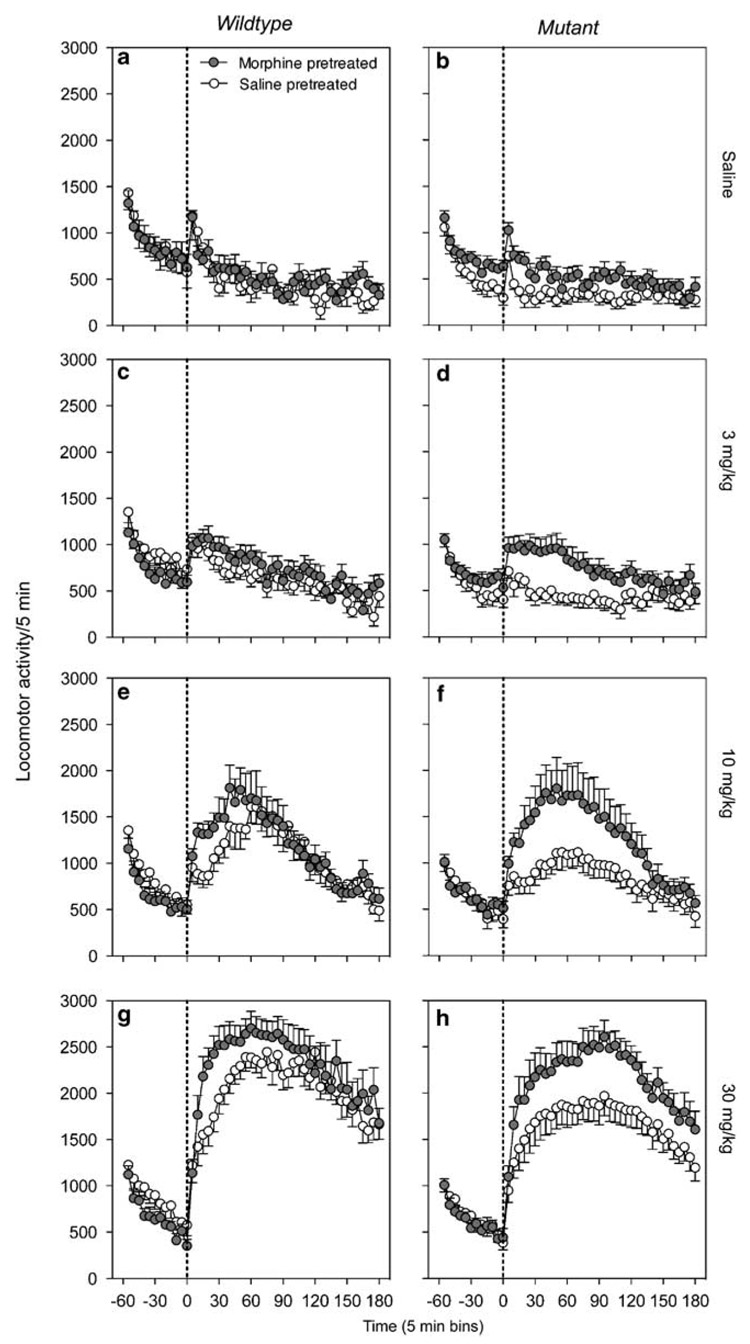
As drug abuse can be viewed as a maladaptive form of neuronal plasticity, attention has focused on defining the synaptic plasticity mechanisms that mediate the long-term effects of these drugs. As Narp is secreted at synaptic sites and binds to the extracellular surface of AMPA receptors, it has been implicated in mediating enduring forms of synaptic plasticity. Accordingly, to assess its potential role in the long-lasting behavioral effects of drugs of abuse, we have investigated the impact of Narp deletion on sustained behavioral responses elicited by repeated morphine administration. Narp knockout mice display normal locomotor sensitization and conditioned place preference, but are markedly resistant to extinction of place preference. Thus, these findings indicate that Narp plays a selective role in extinction, possibly by its effects on AMPA receptor trafficking.
由于药物滥用可被视为一种神经元可塑性的适应不良形式,因此注意力集中在确定介导这些药物长期效应的突触可塑性机制上。由于Narp在突触部位分泌并与AMPA受体的细胞外表面结合,它被认为与介导持久形式的突触可塑性有关。因此,为了评估其在滥用药物的长期行为效应中的潜在作用,我们研究了Narp缺失对重复给予吗啡所引发的持续行为反应的影响。Narp基因敲除小鼠表现出正常的运动敏化和条件性位置偏爱,但对位置偏爱的消退具有明显的抗性。因此,这些发现表明Narp在消退过程中发挥着选择性作用,可能是通过其对AMPA受体转运的影响。