Farris H E, Oshinsky M L, Forrest T G, Hoy R R
National Center for Physical Acoustics, University of Mississippi, Oxford, Miss, USA.
Brain Behav Evol. 2008;72(1):16-26. doi: 10.1159/000139458. Epub 2008 Jun 17.
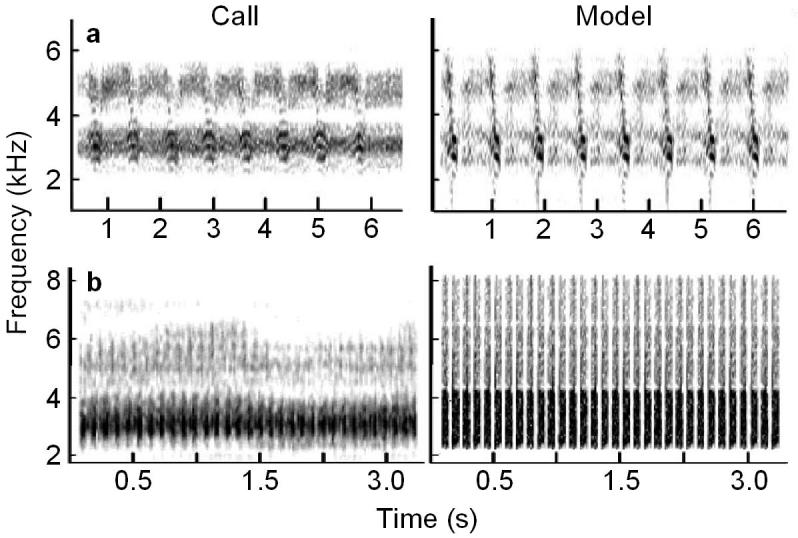
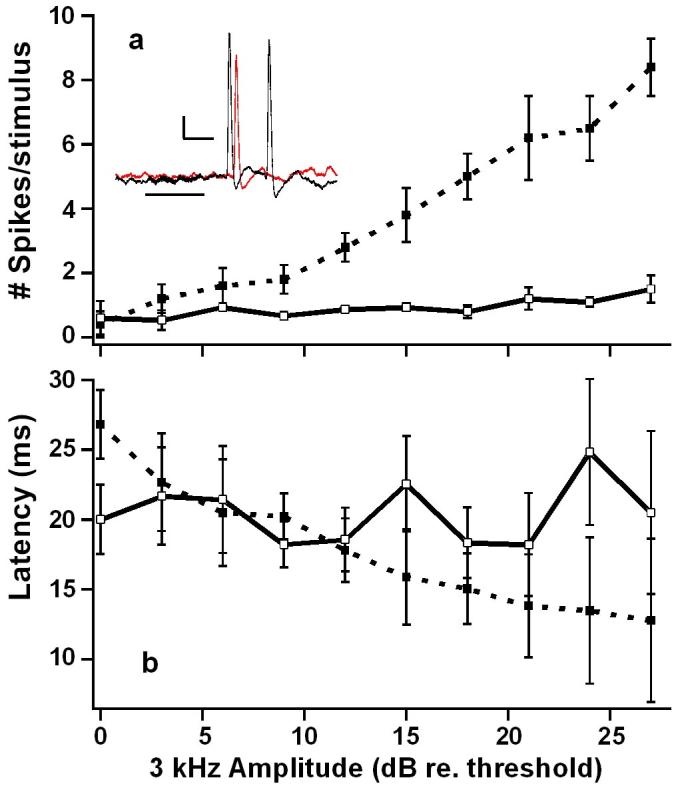
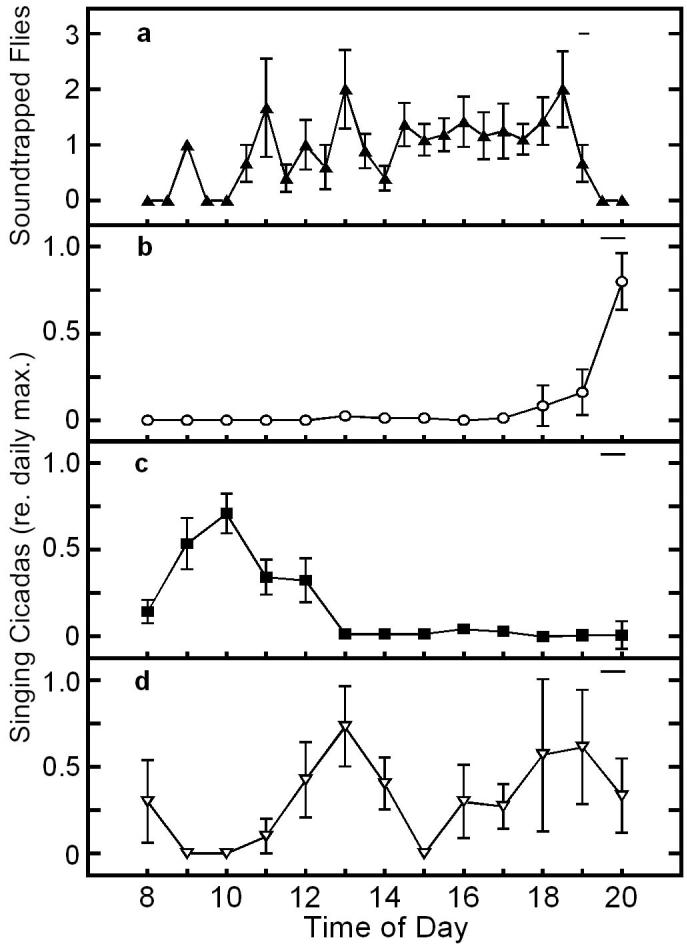
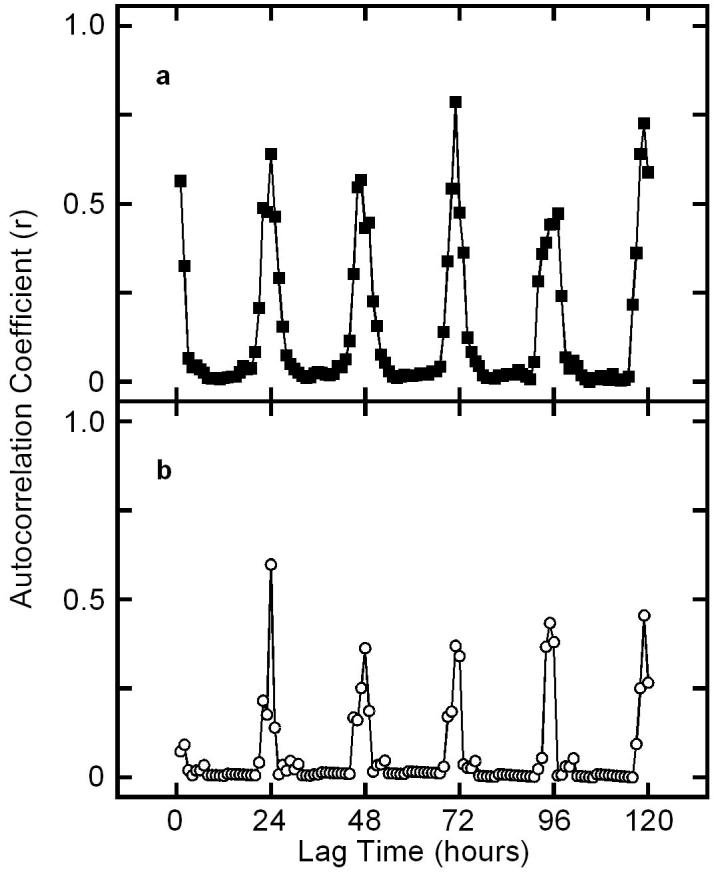
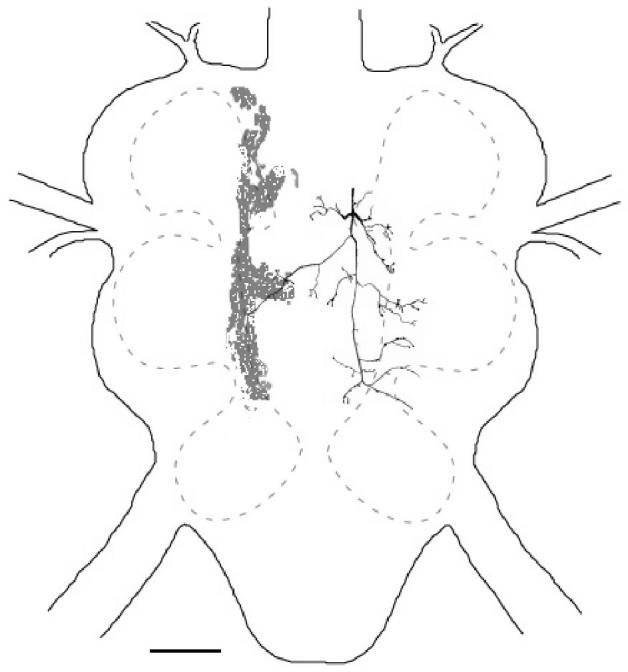
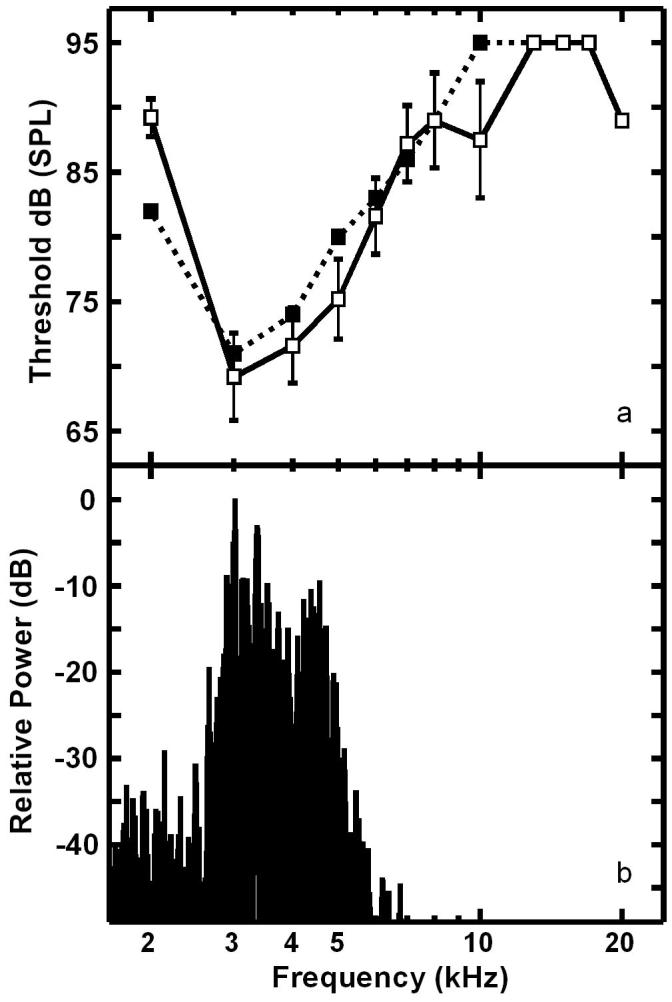
Using field broadcasts of model male calling songs, we tested whether Tibicen pruinosa and T. chloromera (Hemiptera: Cicadidae) are candidate hosts for acoustic parasitoid flies. The model calling song of T. pruinosa attracted 90% of the flies (Sarcophagidae: Emblemasoma sp.; all larvapositing females) when broadcast simultaneously with the model T. chloromera song, a phonotactic bias reconfirmed in single song playbacks. In paired broadcasts of model T. pruinosa songs with different relative amplitudes (3 dB or 6 dB), significantly more flies were attracted to the more powerful song, a result consistent with the responses predicted by a model proposed by Forrest and Raspet [1994]. Using intracellular recordings and dye injections, we characterized the sensitivity of auditory units in sound-trapped flies. Intracellular recordings from six auditory units (5 interneurons, 1 afferent) revealed best sensitivity for frequencies near 3-4 kHz, matching the predominant spectral components of the calling songs of both species of cicada. Interestingly, although flies could be attracted to T. pruinosa broadcasts throughout the day, hourly censuses of singing males revealed that calling occurred exclusively at dusk. Furthermore, the duration of the dusk chorus in T. pruinosa was significantly shorter than the midday chorus of the less attractive song of T. chloromera. We propose that the tight temporal aggregation of the dusk chorus time could function to reduce risk from attracted parasitoids.
我们利用雄性模式求偶歌声的野外广播,测试了 pruinosa 蝉和 chloromera 蝉(半翅目:蝉科)是否是声学寄生蝇的候选宿主。当 pruinosa 蝉的模式求偶歌声与 chloromera 蝉的模式歌声同时播放时,吸引了90%的寄生蝇(麻蝇科:Emblemasoma 属;所有进行幼虫产卵的雌性),这种趋声性偏好在单曲回放中得到再次证实。在不同相对振幅(3分贝或6分贝)的 pruinosa 蝉模式歌声的配对广播中,更多的寄生蝇被更响亮的歌声吸引,这一结果与 Forrest 和 Raspet [1994] 提出的模型预测的反应一致。我们通过细胞内记录和染料注射,对被声音诱捕的寄生蝇听觉单元的敏感性进行了表征。对六个听觉单元(5个中间神经元,1个传入神经元)的细胞内记录显示,对3 - 4千赫兹附近频率的敏感性最佳,这与两种蝉求偶歌声的主要频谱成分相匹配。有趣的是,虽然寄生蝇在一天中都能被 pruinosa 蝉的广播吸引,但对鸣叫雄性的每小时普查显示,鸣叫只在黄昏时发生。此外,pruinosa 蝉黄昏合唱持续的时间明显短于吸引力较小的 chloromera 蝉中午合唱的时间。我们认为黄昏合唱时间的紧密时间聚集可能起到降低被吸引的寄生蝇带来的风险的作用。