Barbash Olena, Zamfirova Petia, Lin Douglas I, Chen Xiangmei, Yang Ke, Nakagawa Hiroshi, Lu Fengmin, Rustgi Anil K, Diehl J Alan
Abramson Family Cancer Research Institute, University of Pennsylvania School of Medicine, Philadelphia, PA 19104, USA.
Cancer Cell. 2008 Jul 8;14(1):68-78. doi: 10.1016/j.ccr.2008.05.017.
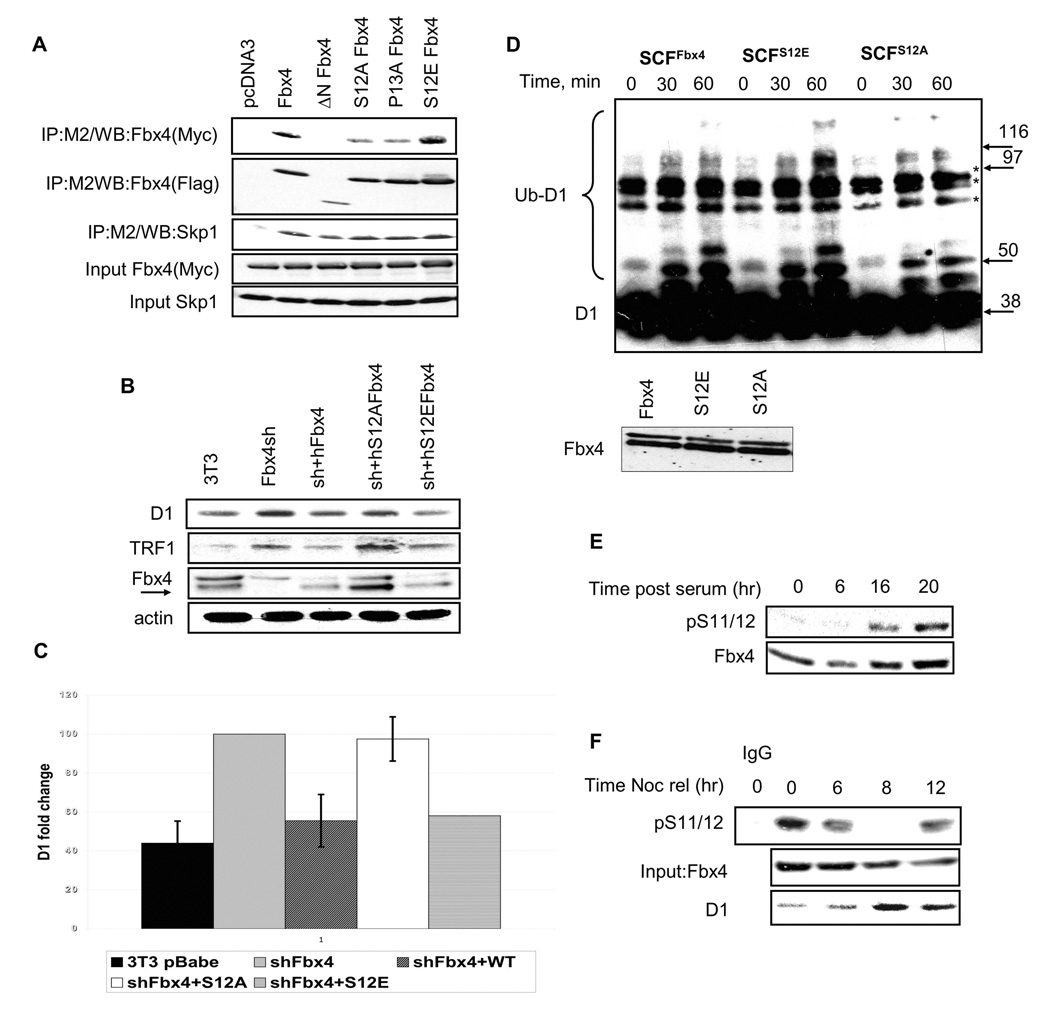
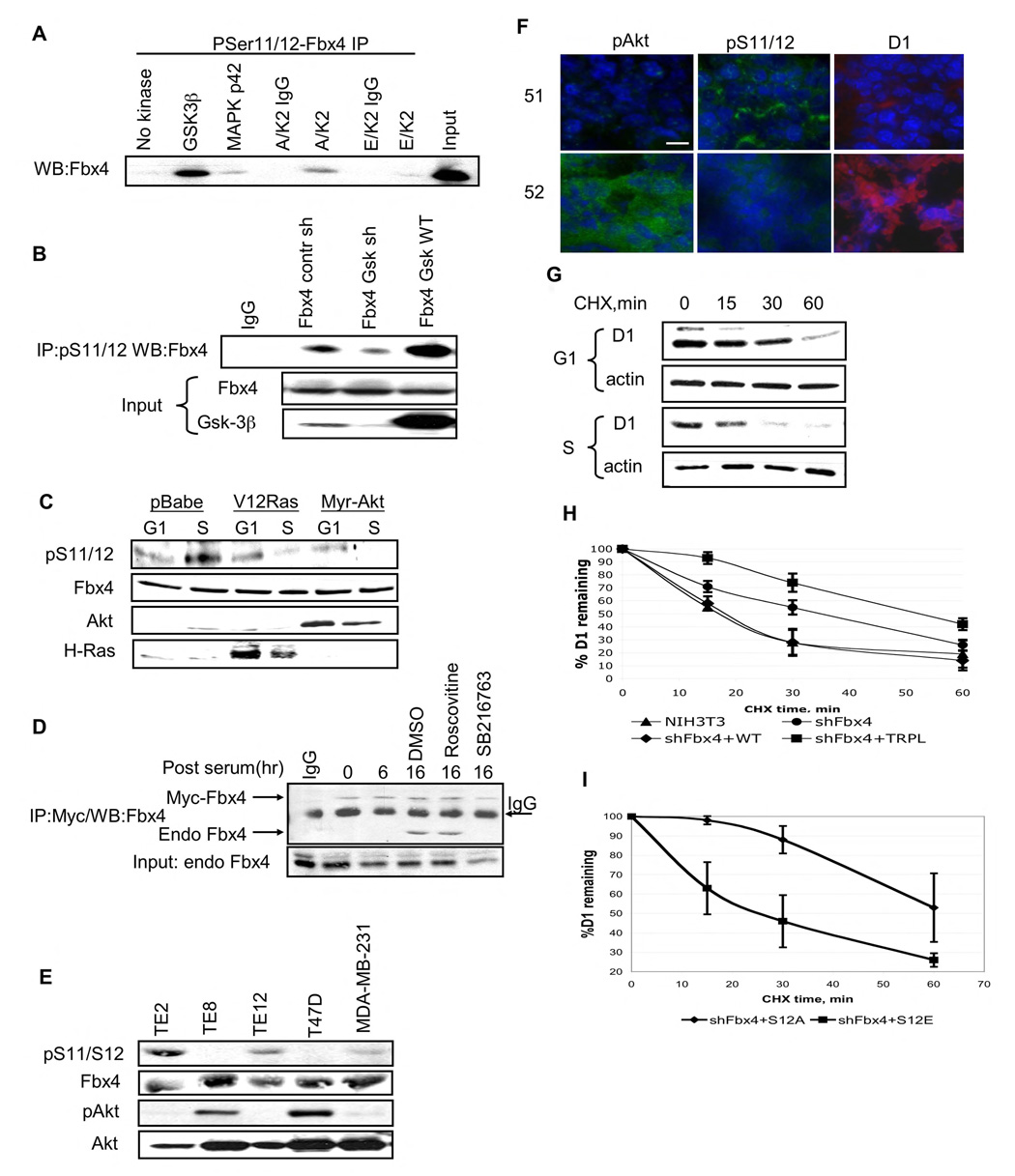
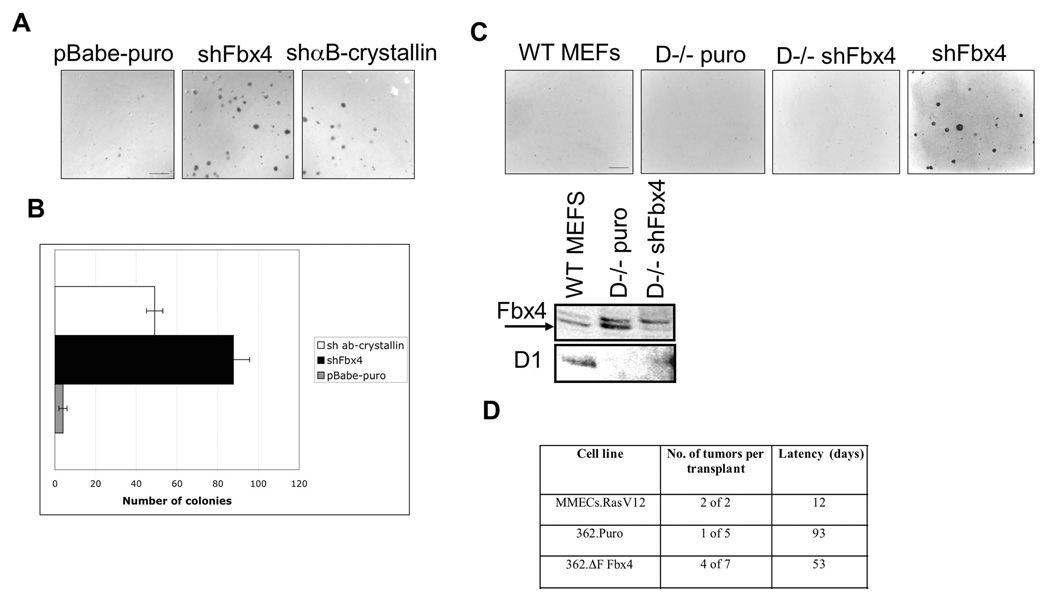
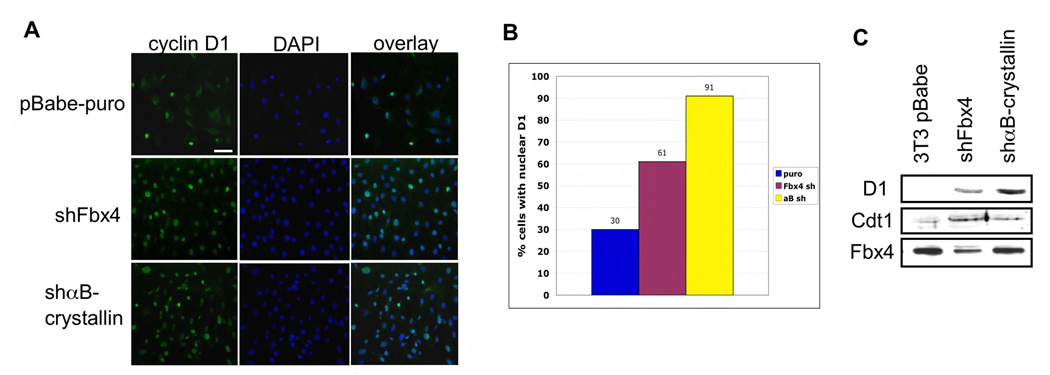
SCF(Fbx4) was recently identified as the E3 ligase for cyclin D1. We now describe cell-cycle-dependent phosphorylation and dimerization of Fbx4 that is regulated by GSK3beta and is defective in human cancer. We present data demonstrating that a pathway involving Ras-Akt-GSK3beta controls the temporal phosphorylation and dimerization of the SCF(Fbx4) E3 ligase. Inhibition of Fbx4 activity results in accumulation of nuclear cyclin D1 and oncogenic transformation. The importance of this regulatory pathway for normal cell growth is emphasized by the prevalence of mutations in Fbx4 in human cancer that impair dimerization. Collectively, these data reveal that inactivation of the cyclin D1 E3 ligase likely contributes to cyclin D1 overexpression in a significant fraction of human cancer.
SCF(Fbx4)最近被鉴定为细胞周期蛋白D1的E3连接酶。我们现在描述Fbx4的细胞周期依赖性磷酸化和二聚化,其受GSK3β调控且在人类癌症中存在缺陷。我们提供的数据表明,一条涉及Ras-Akt-GSK3β的信号通路控制着SCF(Fbx4) E3连接酶的瞬时磷酸化和二聚化。抑制Fbx4活性会导致核内细胞周期蛋白D1积累和致癌转化。人类癌症中Fbx4的突变普遍存在,这些突变会损害二聚化,这凸显了该调控通路对正常细胞生长的重要性。总体而言,这些数据表明,细胞周期蛋白D1 E3连接酶的失活可能在很大一部分人类癌症中导致细胞周期蛋白D1的过表达。