Huh Jimmy W, Widing Ashley G, Raghupathi Ramesh
Department of Anesthesiology and Critical Care, Children's Hospital of Philadelphia, Philadelphia, PA 19104, USA.
Exp Neurol. 2008 Sep;213(1):84-92. doi: 10.1016/j.expneurol.2008.05.009. Epub 2008 May 23.
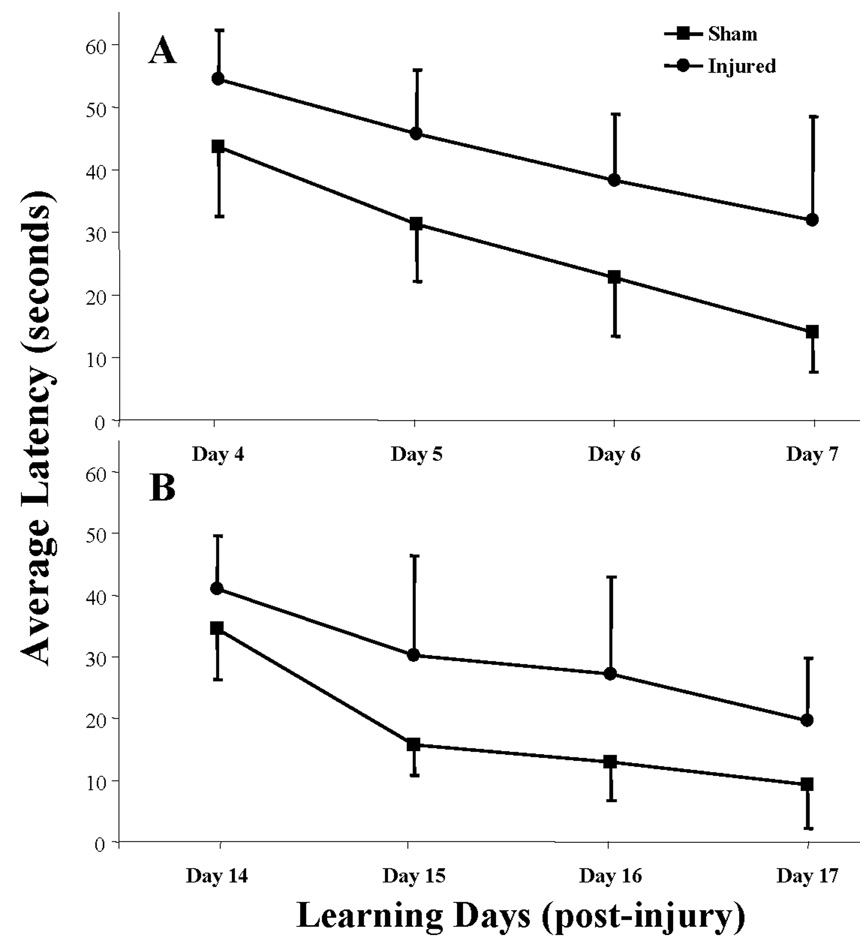
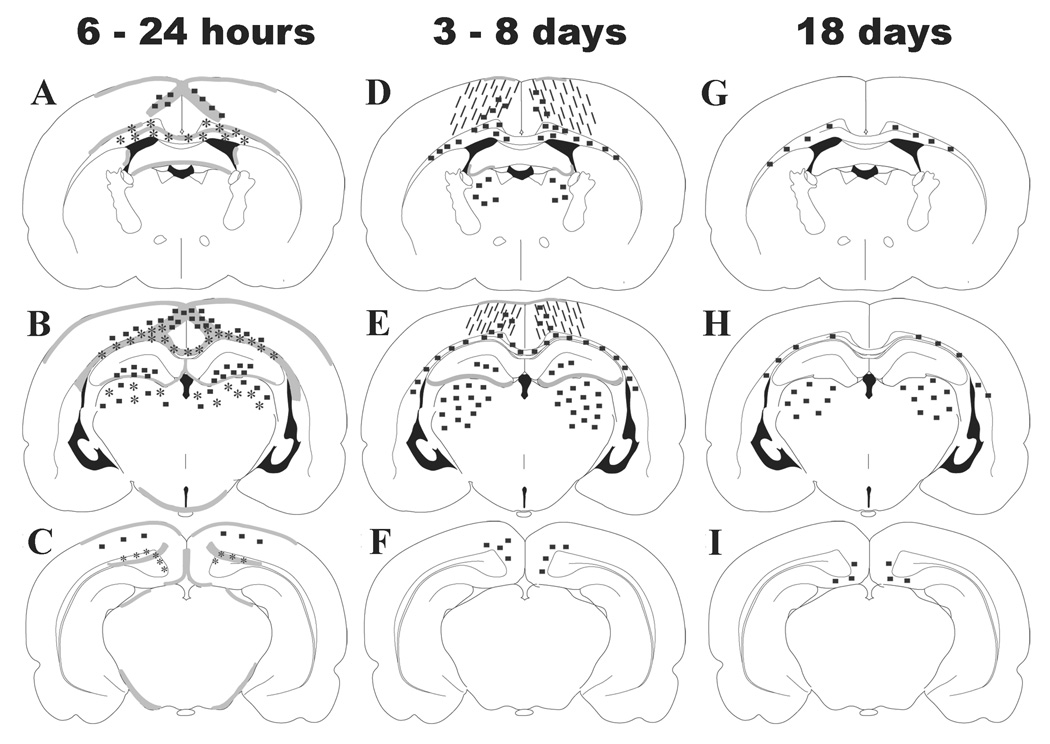
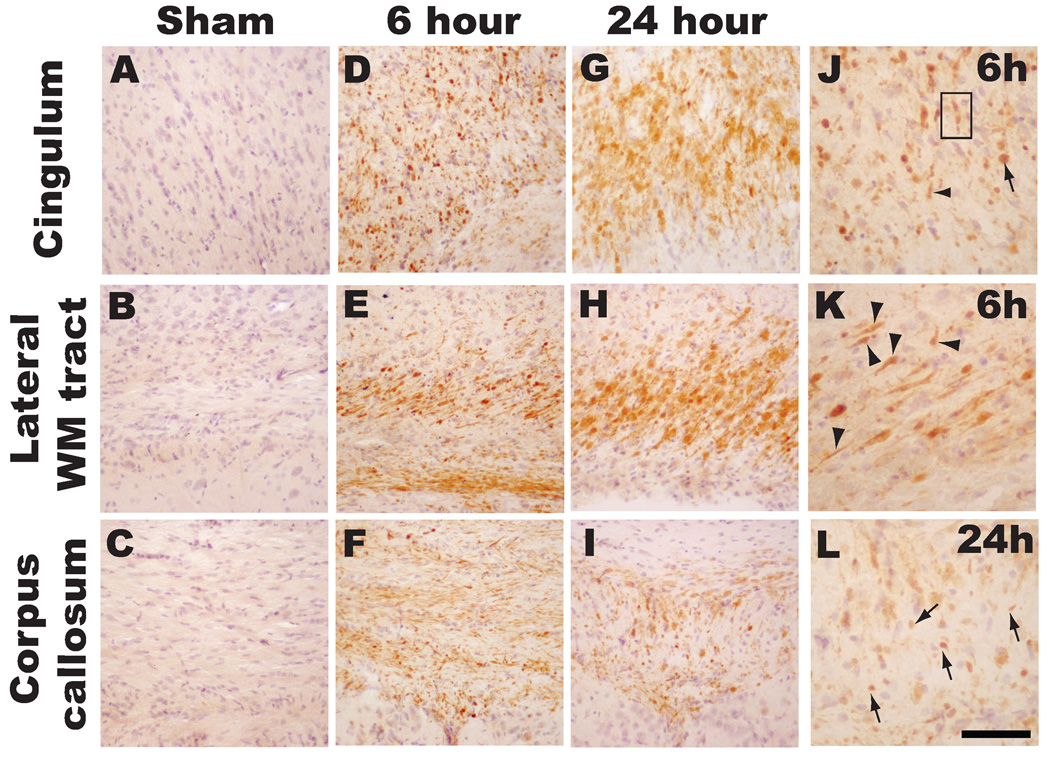
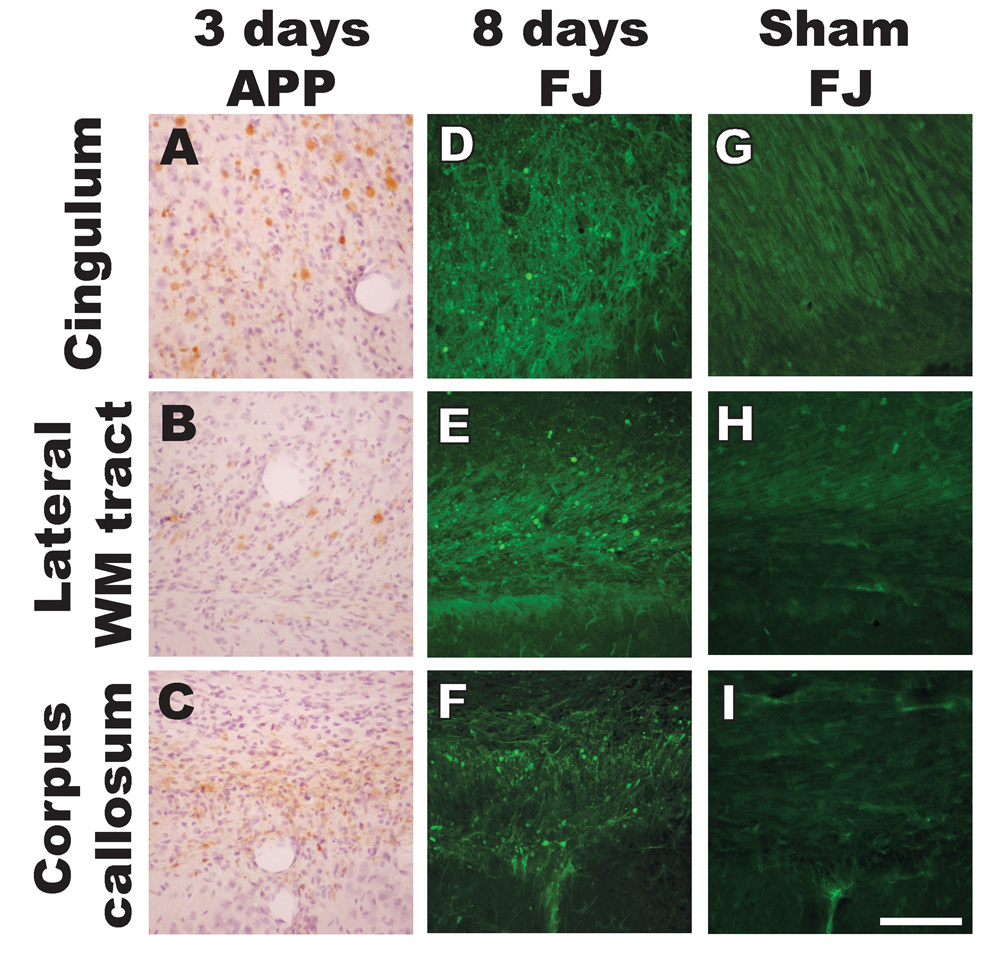
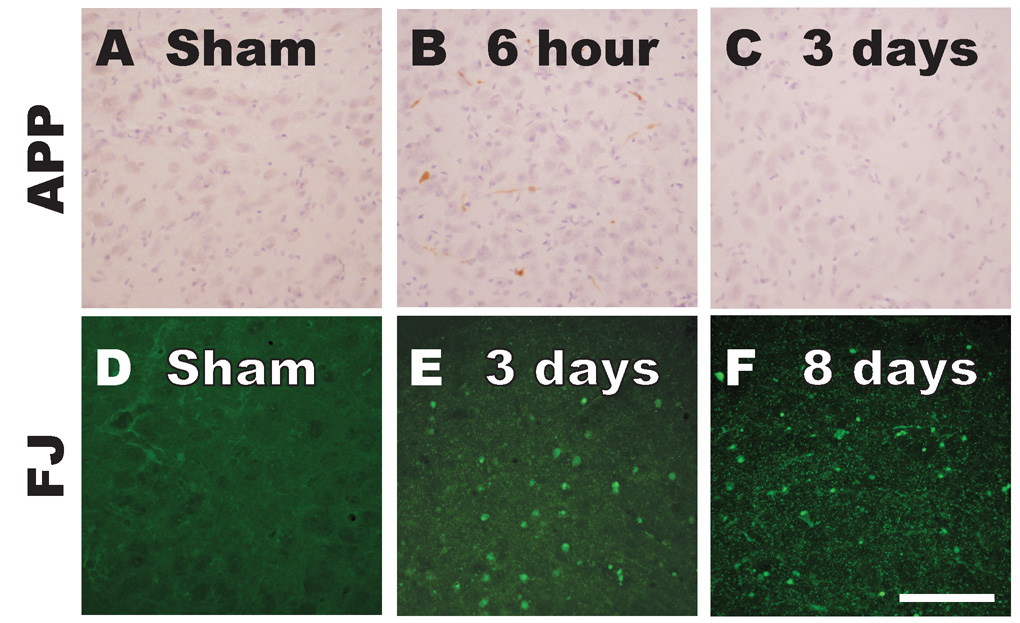
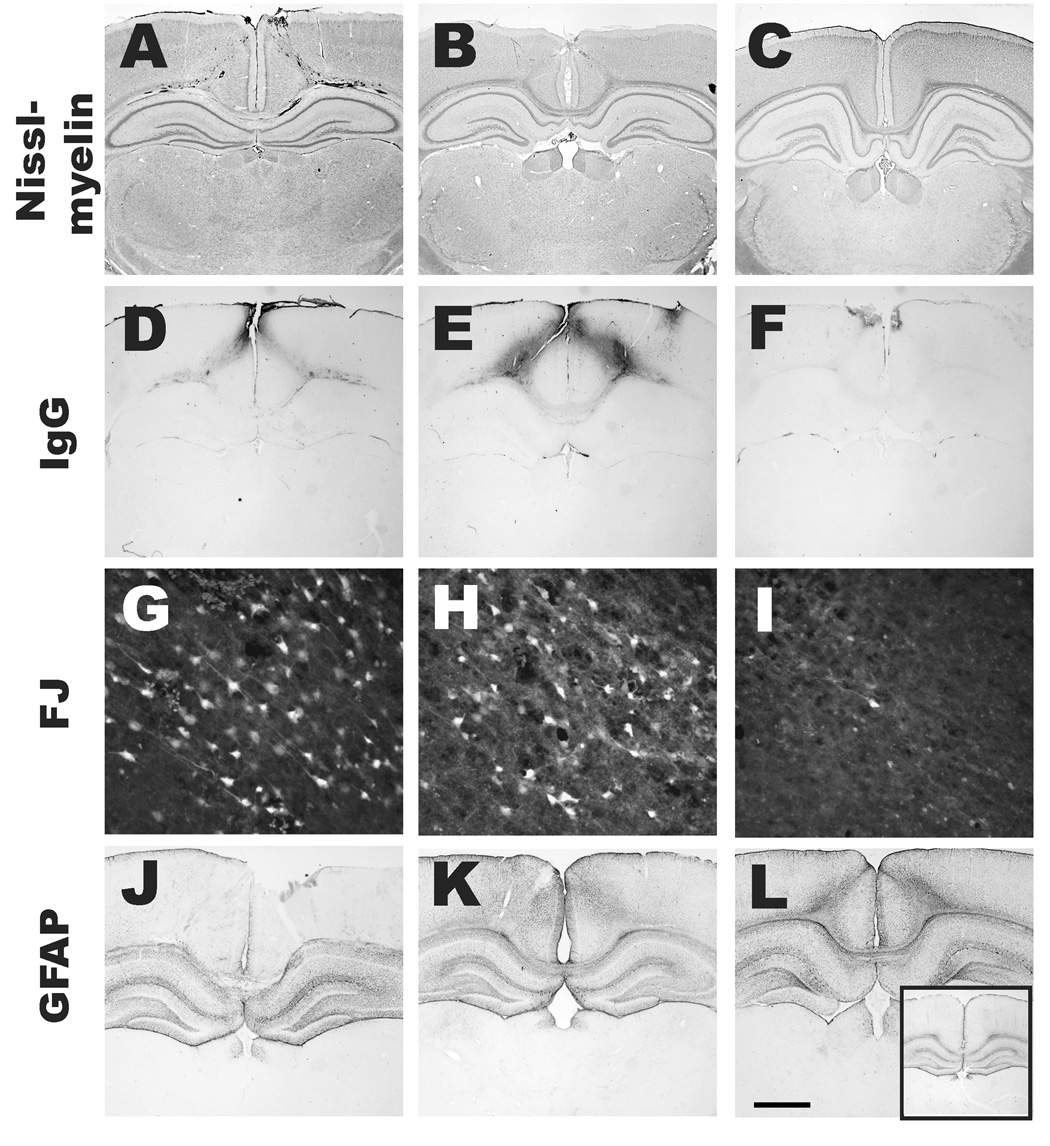
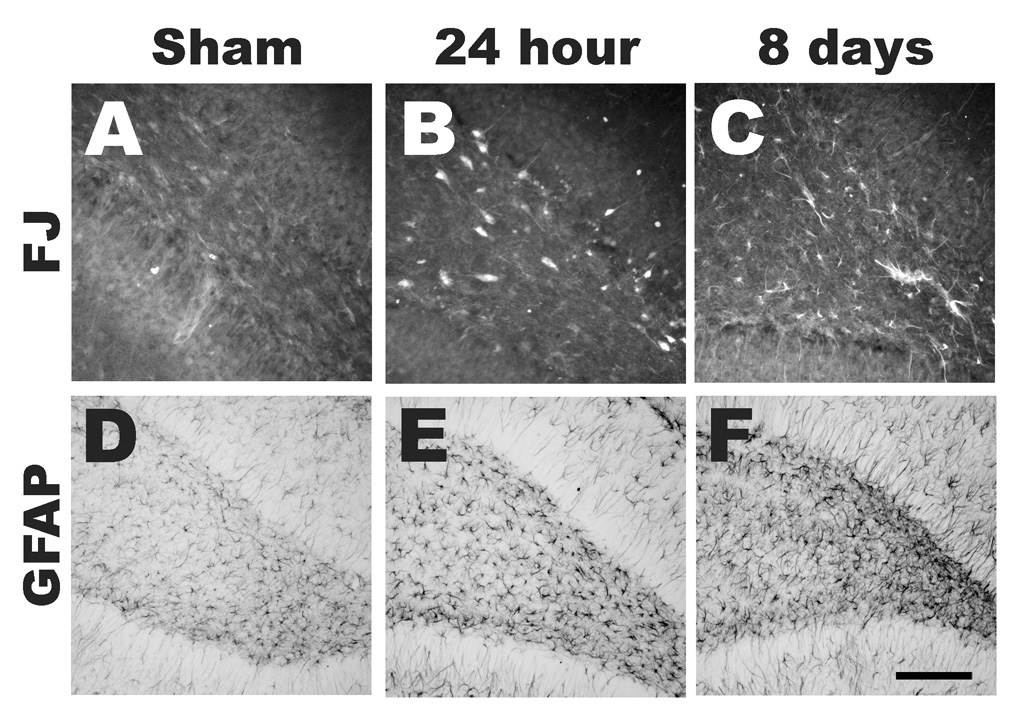
Infants and children less than 4 years old suffer chronic cognitive deficits following mild, moderate or severe diffuse traumatic brain injury (TBI). It has been suggested that the underlying neuropathologic basis for behavioral deficits following severe TBI is acute brain swelling, subarachnoid hemorrhage and axonal injury. To better understand mechanisms of cognitive dysfunction in mild-moderate TBI, a closed head injury model of midline TBI in the immature rat was developed. Following an impact over the midline suture of the intact skull, 17-day-old rats exhibited short apnea times (3-15 s), did not require ventilatory support and suffered no mortality, suggestive of mild TBI. Compared to un-injured rats, brain-injured rats exhibited significant learning deficits over the first week post-injury (p<0.0005), and, significant learning (p<0.005) and memory deficits (p<0.05) in the third post-injury week. Between 6 and 72 h, blood-brain barrier breakdown, extensive traumatic axonal injury in the subcortical white matter and thalamus, and focal areas of neurodegeneration in the cortex and hippocampus were observed in both hemispheres of the injured brain. At 8 to 18 days post-injury, reactive astrocytosis in the cortex, axonal degeneration in the subcortical white matter tracts, and degeneration of neuronal cell bodies and processes in the thalamus of both hemispheres were observed; however, cortical volumes were not different between un-injured and injured rat brains. These data suggest that diffuse TBI in the immature rat can lead to ongoing degeneration of both cell soma and axonal compartments of neurons, which may contribute, in part, to the observed sustained cognitive deficits.
4岁以下的婴幼儿在遭受轻度、中度或重度弥漫性创伤性脑损伤(TBI)后会出现慢性认知缺陷。有人提出,重度TBI后行为缺陷的潜在神经病理学基础是急性脑肿胀、蛛网膜下腔出血和轴突损伤。为了更好地理解轻度至中度TBI中认知功能障碍的机制,建立了未成熟大鼠中线TBI的闭合性颅脑损伤模型。在完整颅骨的中线缝上施加撞击后,17日龄的大鼠出现短暂呼吸暂停(3 - 15秒),不需要通气支持且无死亡情况,提示为轻度TBI。与未受伤的大鼠相比,脑损伤大鼠在受伤后的第一周表现出显著的学习缺陷(p<0.0005),在受伤后的第三周出现显著的学习(p<0.005)和记忆缺陷(p<0.05)。在6至72小时之间,在受伤脑的两个半球均观察到血脑屏障破坏、皮质下白质和丘脑中广泛的创伤性轴突损伤,以及皮质和海马中的局灶性神经变性区域。在受伤后的8至18天,观察到皮质中的反应性星形胶质细胞增生、皮质下白质束中的轴突变性以及两个半球丘脑中神经元细胞体和突起的变性;然而,未受伤和受伤大鼠脑的皮质体积并无差异。这些数据表明,未成熟大鼠的弥漫性TBI可导致神经元的细胞体和轴突部分持续退化,这可能部分导致了所观察到的持续性认知缺陷。