Sepp Katharine J, Hong Pengyu, Lizarraga Sofia B, Liu Judy S, Mejia Luis A, Walsh Christopher A, Perrimon Norbert
Department of Genetics, Harvard Medical School, Boston, Massachusetts, United States of America.
PLoS Genet. 2008 Jul 4;4(7):e1000111. doi: 10.1371/journal.pgen.1000111.
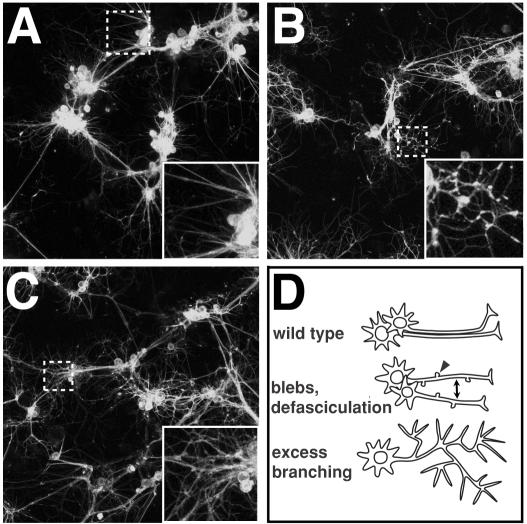
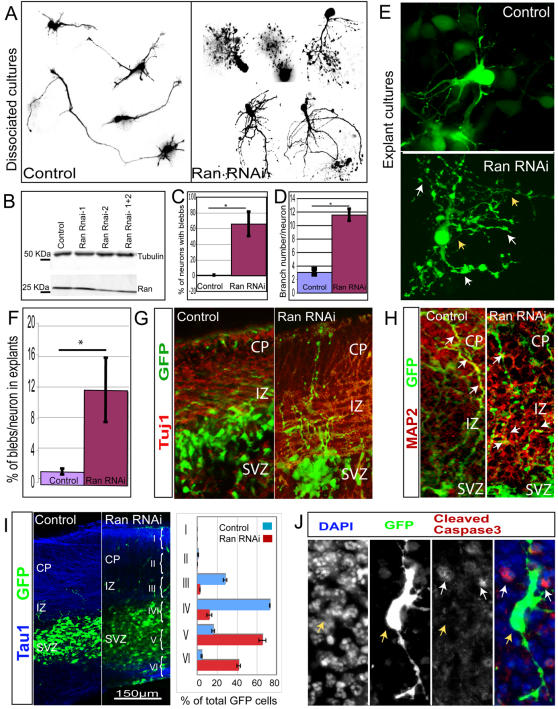
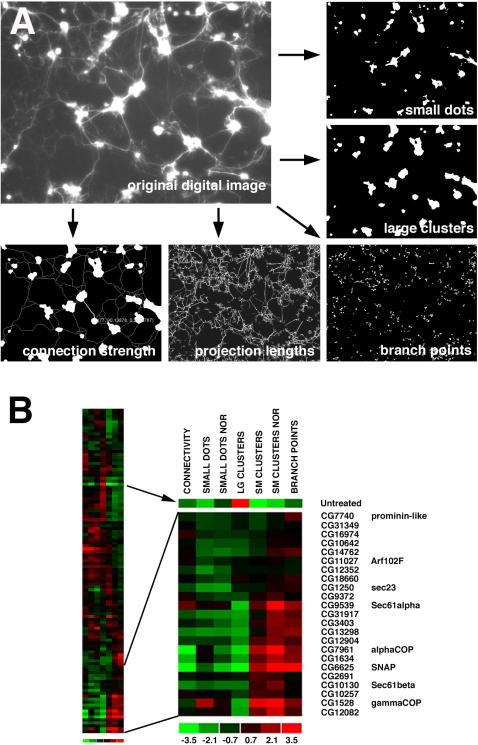
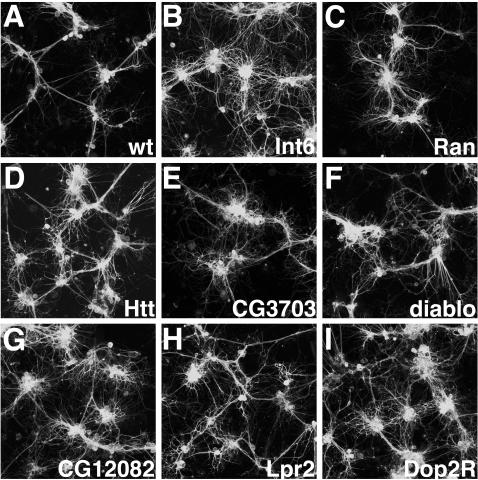
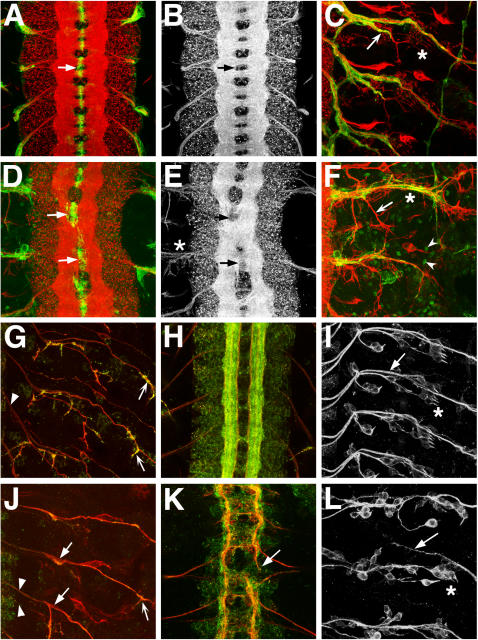
While genetic screens have identified many genes essential for neurite outgrowth, they have been limited in their ability to identify neural genes that also have earlier critical roles in the gastrula, or neural genes for which maternally contributed RNA compensates for gene mutations in the zygote. To address this, we developed methods to screen the Drosophila genome using RNA-interference (RNAi) on primary neural cells and present the results of the first full-genome RNAi screen in neurons. We used live-cell imaging and quantitative image analysis to characterize the morphological phenotypes of fluorescently labelled primary neurons and glia in response to RNAi-mediated gene knockdown. From the full genome screen, we focused our analysis on 104 evolutionarily conserved genes that when downregulated by RNAi, have morphological defects such as reduced axon extension, excessive branching, loss of fasciculation, and blebbing. To assist in the phenotypic analysis of the large data sets, we generated image analysis algorithms that could assess the statistical significance of the mutant phenotypes. The algorithms were essential for the analysis of the thousands of images generated by the screening process and will become a valuable tool for future genome-wide screens in primary neurons. Our analysis revealed unexpected, essential roles in neurite outgrowth for genes representing a wide range of functional categories including signalling molecules, enzymes, channels, receptors, and cytoskeletal proteins. We also found that genes known to be involved in protein and vesicle trafficking showed similar RNAi phenotypes. We confirmed phenotypes of the protein trafficking genes Sec61alpha and Ran GTPase using Drosophila embryo and mouse embryonic cerebral cortical neurons, respectively. Collectively, our results showed that RNAi phenotypes in primary neural culture can parallel in vivo phenotypes, and the screening technique can be used to identify many new genes that have important functions in the nervous system.
虽然基因筛选已经鉴定出许多对神经突生长至关重要的基因,但它们在识别那些在原肠胚期也具有早期关键作用的神经基因,或那些母源贡献的RNA可补偿合子中基因突变的神经基因方面能力有限。为了解决这个问题,我们开发了利用RNA干扰(RNAi)对原代神经细胞进行果蝇基因组筛选的方法,并展示了首次在神经元中进行的全基因组RNAi筛选结果。我们使用活细胞成像和定量图像分析来表征荧光标记的原代神经元和神经胶质细胞在RNAi介导的基因敲低后的形态表型。从全基因组筛选中,我们将分析重点放在104个进化保守基因上,当这些基因通过RNAi下调时,会出现形态缺陷,如轴突延伸减少、过度分支、失去束状化和出现泡状突起。为了协助对大量数据集进行表型分析,我们生成了能够评估突变体表型统计显著性的图像分析算法。这些算法对于分析筛选过程中产生的数千张图像至关重要,并将成为未来原代神经元全基因组筛选的宝贵工具。我们的分析揭示了代表广泛功能类别的基因在神经突生长中具有意想不到的重要作用,这些功能类别包括信号分子、酶、通道、受体和细胞骨架蛋白。我们还发现已知参与蛋白质和囊泡运输的基因表现出相似的RNAi表型。我们分别使用果蝇胚胎和小鼠胚胎大脑皮层神经元证实了蛋白质运输基因Sec61alpha和Ran GTPase的表型。总体而言,我们的结果表明原代神经培养中的RNAi表型可以与体内表型平行,并且这种筛选技术可用于鉴定许多在神经系统中具有重要功能的新基因。