Nieberding Caroline M, de Vos Helene, Schneider Maria V, Lassance Jean-Marc, Estramil Natalia, Andersson Jimmy, Bång Joakim, Hedenström Erik, Löfstedt Christer, Brakefield Paul M
Evolutionary Biology Group, Institute of Biology, Leiden University, Leiden, The Netherlands.
PLoS One. 2008 Jul 23;3(7):e2751. doi: 10.1371/journal.pone.0002751.
Female sex pheromones attracting mating partners over long distances are a major determinant of reproductive isolation and speciation in Lepidoptera. Males can also produce sex pheromones but their study, particularly in butterflies, has received little attention. A detailed comparison of sex pheromones in male butterflies with those of female moths would reveal patterns of conservation versus novelty in the associated behaviours, biosynthetic pathways, compounds, scent-releasing structures and receiving systems. Here we assess whether the African butterfly Bicyclus anynana, for which genetic, genomic, phylogenetic, ecological and ethological tools are available, represents a relevant model to contribute to such comparative studies.
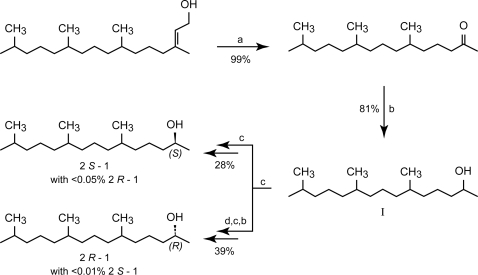
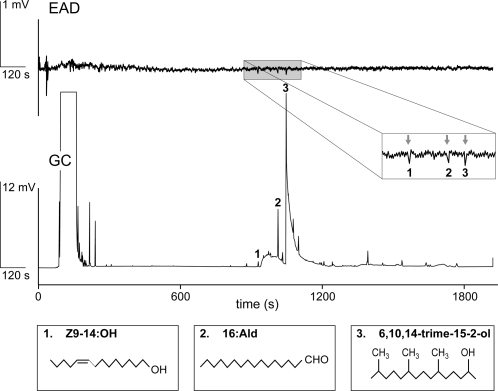
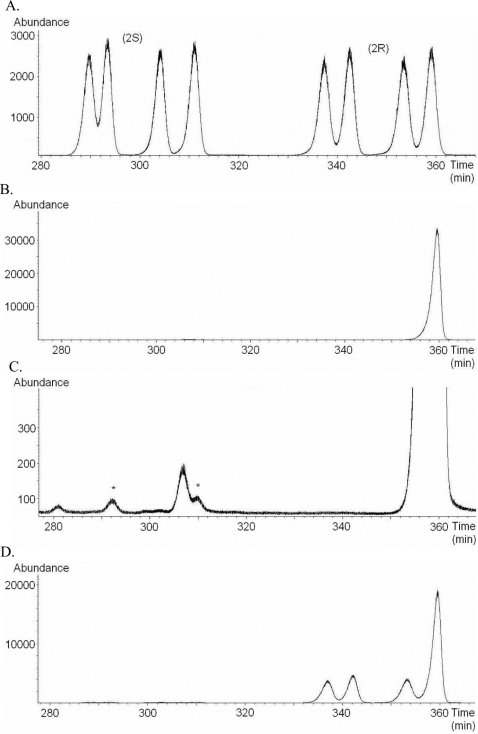
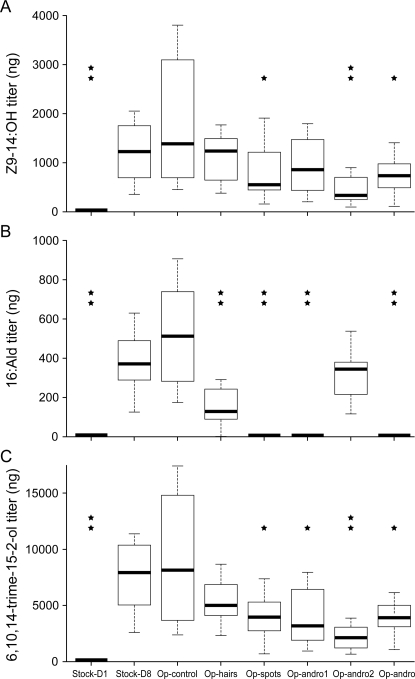
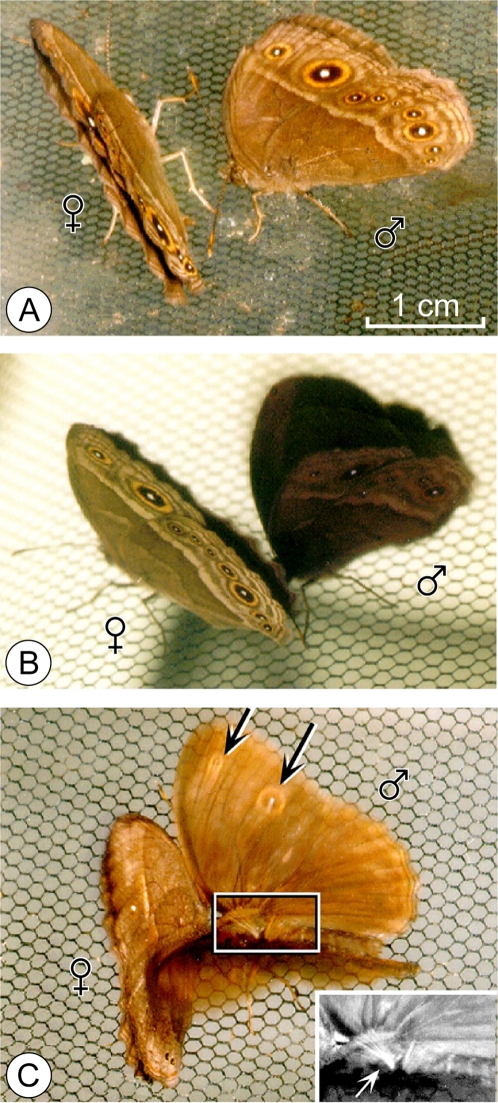
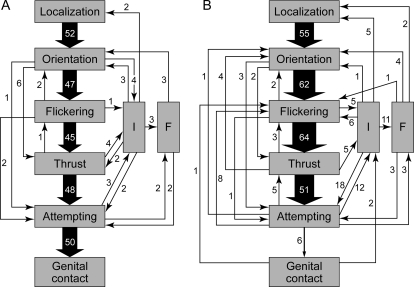
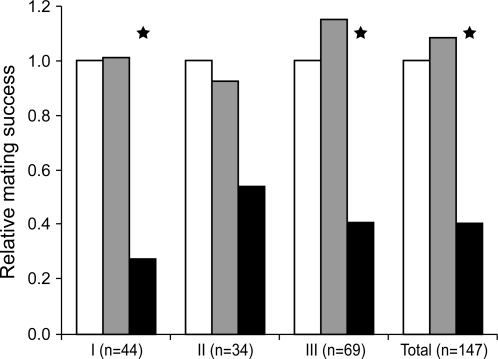
METHODOLOGY/PRINCIPAL FINDINGS: Using a multidisciplinary approach, we determined the chemical composition of the male sex pheromone (MSP) in the African butterfly B. anynana, and demonstrated its behavioural activity. First, we identified three compounds forming the presumptive MSP, namely (Z)-9-tetradecenol (Z9-14:OH), hexadecanal (16:Ald ) and 6,10,14-trimethylpentadecan-2-ol (6,10,14-trime-15-2-ol), and produced by the male secondary sexual structures, the androconia. Second, we described the male courtship sequence and found that males with artificially reduced amounts of MSP have a reduced mating success in semi-field conditions. Finally, we could restore the mating success of these males by perfuming them with the synthetic MSP.
CONCLUSIONS/SIGNIFICANCE: This study provides one of the first integrative analyses of a MSP in butterflies. The toolkit it has developed will enable the investigation of the type of information about male quality that is conveyed by the MSP in intraspecific communication. Interestingly, the chemical structure of B. anynana MSP is similar to some sex pheromones of female moths making a direct comparison of pheromone biosynthesis between male butterflies and female moths relevant to future research. Such a comparison will in turn contribute to understanding the evolution of sex pheromone production and reception in butterflies.
雌性性信息素能在远距离吸引交配对象,是鳞翅目昆虫生殖隔离和物种形成的主要决定因素。雄性也能产生性信息素,但对其研究,尤其是蝴蝶性信息素的研究,受到的关注很少。对雄性蝴蝶和雌性蛾类的性信息素进行详细比较,将揭示相关行为、生物合成途径、化合物、气味释放结构和接收系统中的保守与新颖模式。在此,我们评估非洲蝴蝶小环蛱蝶(Bicyclus anynana)是否是有助于此类比较研究的合适模型,目前已有针对该蝴蝶的遗传学、基因组学、系统发育学、生态学和行为学研究工具。
方法/主要发现:我们采用多学科方法,确定了非洲蝴蝶小环蛱蝶雄性性信息素(MSP)的化学成分,并证明了其行为活性。首先,我们鉴定出构成推测性MSP的三种化合物,即(Z)-9-十四碳烯醇(Z9-14:OH)、十六醛(16:Ald)和6,10,14-三甲基十五烷-2-醇(6,10,14-trime-15-2-ol),这些化合物由雄性第二性征结构香鳞袋产生。其次,我们描述了雄性求偶序列,发现人工减少MSP含量的雄性在半野外条件下交配成功率降低。最后,我们通过用合成MSP给这些雄性蝴蝶熏香,恢复了它们的交配成功率。
结论/意义:本研究首次对蝴蝶的MSP进行了综合分析。所开发的工具包将有助于研究MSP在种内交流中所传达的关于雄性质量的信息类型。有趣的是,小环蛱蝶MSP的化学结构与一些雌性蛾类的性信息素相似,这使得对雄性蝴蝶和雌性蛾类性信息素生物合成进行直接比较成为未来研究的一个重要方向。这样的比较将有助于理解蝴蝶性信息素产生和接收的进化过程。