O'Brien Charles A, Plotkin Lilian I, Galli Carlo, Goellner Joseph J, Gortazar Arancha R, Allen Matthew R, Robling Alexander G, Bouxsein Mary, Schipani Ernestina, Turner Charles H, Jilka Robert L, Weinstein Robert S, Manolagas Stavros C, Bellido Teresita
Division of Endocrinology, Center for Osteoporosis and Metabolic Bone Diseases, Central Arkansas Veterans Healthcare System, University of Arkansas for Medical Sciences, Little Rock, Arkansas, United States of America.
PLoS One. 2008 Aug 13;3(8):e2942. doi: 10.1371/journal.pone.0002942.
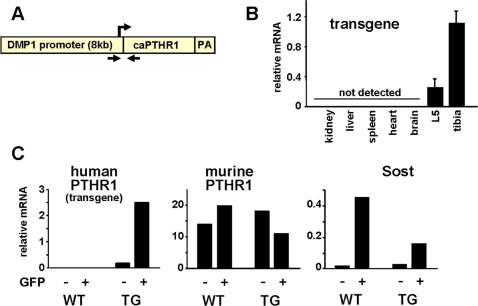
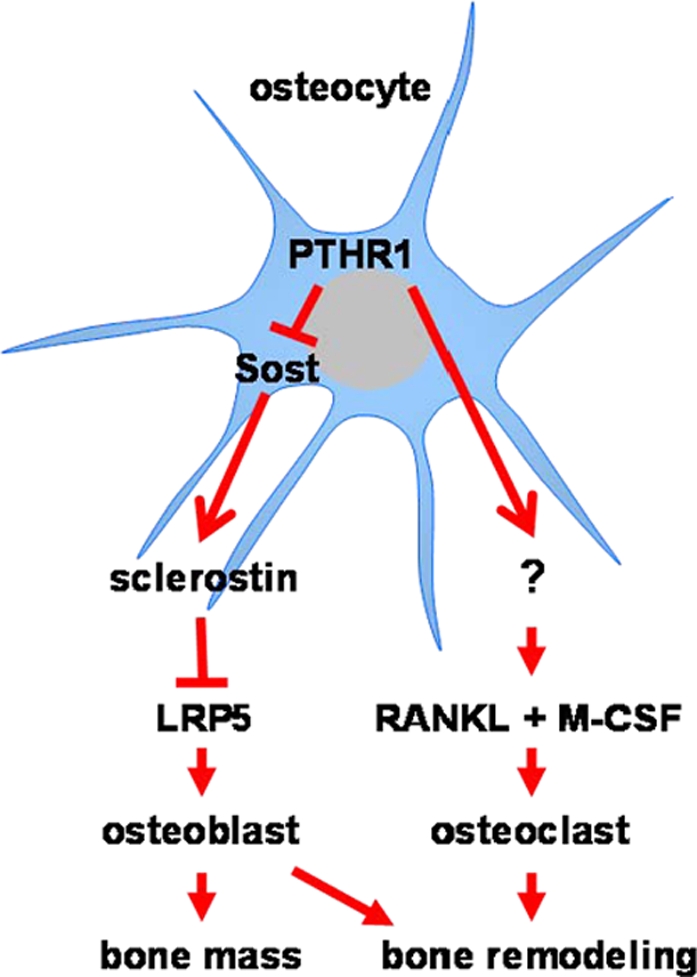
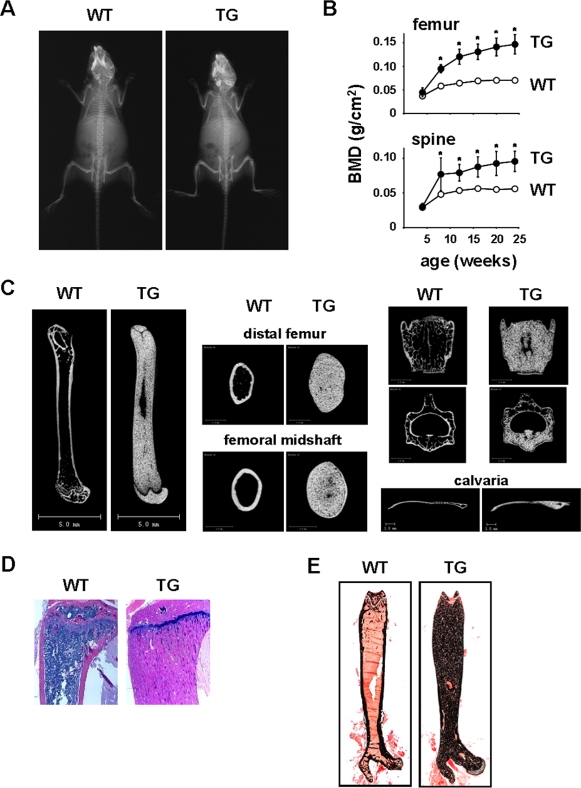
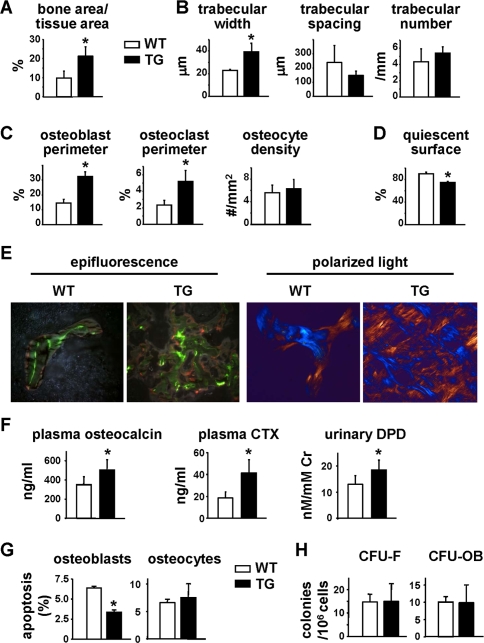
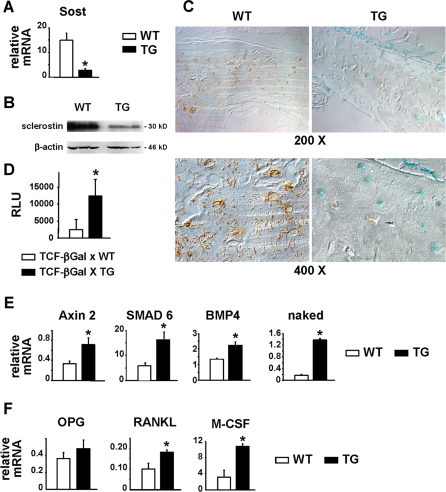
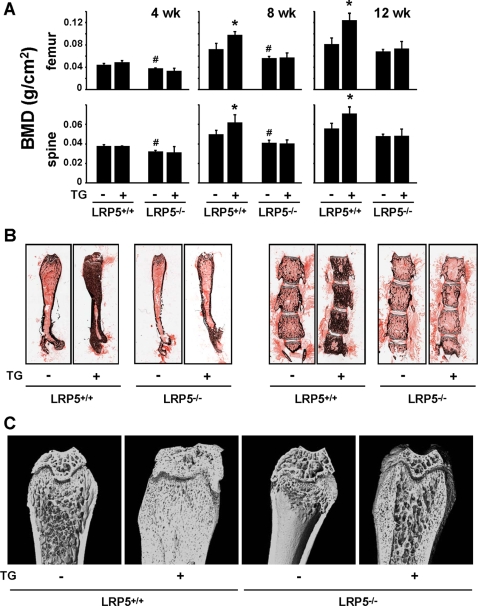
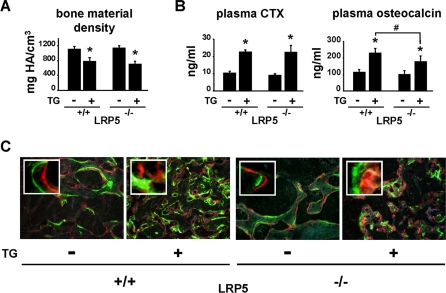
Osteocytes, former osteoblasts buried within bone, are thought to orchestrate skeletal adaptation to mechanical stimuli. However, it remains unknown whether hormones control skeletal homeostasis through actions on osteocytes. Parathyroid hormone (PTH) stimulates bone remodeling and may cause bone loss or bone gain depending on the balance between bone resorption and formation. Herein, we demonstrate that transgenic mice expressing a constitutively active PTH receptor exclusively in osteocytes exhibit increased bone mass and bone remodeling, as well as reduced expression of the osteocyte-derived Wnt antagonist sclerostin, increased Wnt signaling, increased osteoclast and osteoblast number, and decreased osteoblast apoptosis. Deletion of the Wnt co-receptor LDL related receptor 5 (LRP5) attenuates the high bone mass phenotype but not the increase in bone remodeling induced by the transgene. These findings demonstrate that PTH receptor signaling in osteocytes increases bone mass and the rate of bone remodeling through LRP5-dependent and -independent mechanisms, respectively.
骨细胞,即埋于骨内的前成骨细胞,被认为可协调骨骼对机械刺激的适应性。然而,激素是否通过作用于骨细胞来控制骨骼稳态仍不清楚。甲状旁腺激素(PTH)刺激骨重塑,根据骨吸收与形成之间的平衡,可能导致骨质流失或骨质增加。在此,我们证明,仅在骨细胞中表达组成型活性PTH受体的转基因小鼠表现出骨量增加、骨重塑增加,以及骨细胞衍生的Wnt拮抗剂硬化蛋白表达降低、Wnt信号增加、破骨细胞和成骨细胞数量增加,而成骨细胞凋亡减少。Wnt共受体低密度脂蛋白相关受体5(LRP5)的缺失减弱了高骨量表型,但并未减弱转基因诱导的骨重塑增加。这些发现表明,骨细胞中的PTH受体信号分别通过依赖和不依赖LRP5的机制增加骨量和骨重塑速率。