Wallis Robert H, Collins Stephan C, Kaisaki Pamela J, Argoud Karène, Wilder Steven P, Wallace Karin J, Ria Massimiliano, Ktorza Alain, Rorsman Patrik, Bihoreau Marie-Thérèse, Gauguier Dominique
The Wellcome Trust Centre for Human Genetics, University of Oxford, Oxford, United Kingdom.
PLoS One. 2008 Aug 13;3(8):e2962. doi: 10.1371/journal.pone.0002962.
Complex etiology and pathogenesis of pathophysiological components of the cardio-metabolic syndrome have been demonstrated in humans and animal models.
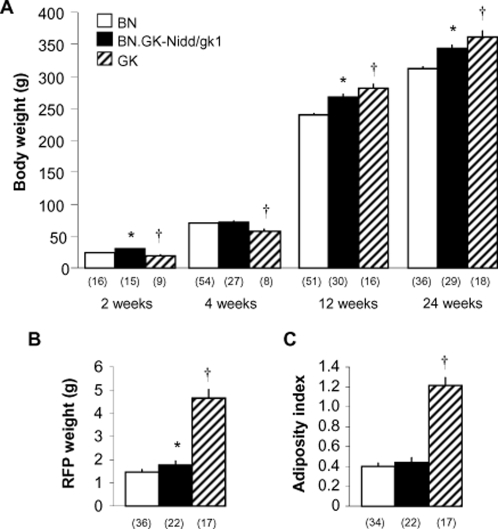
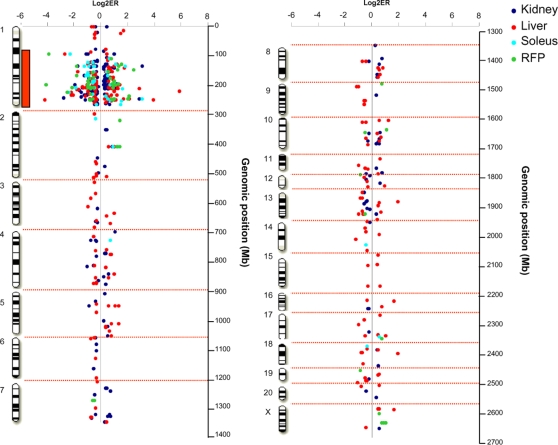
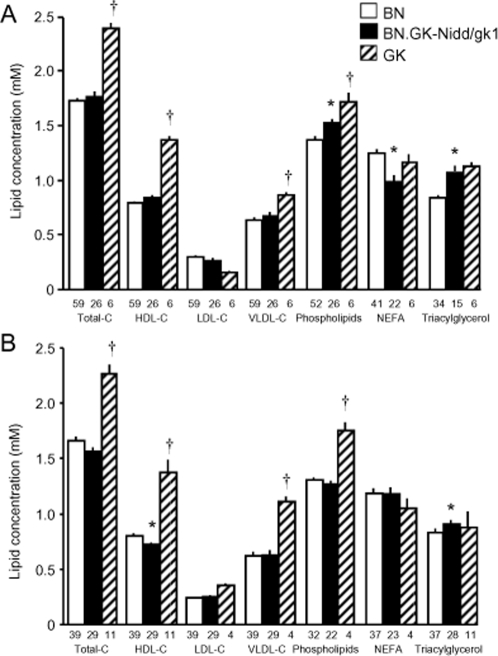
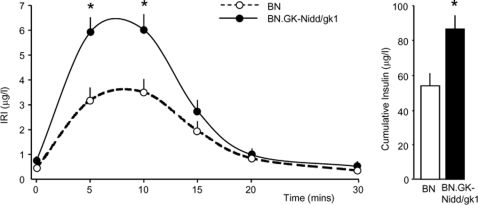
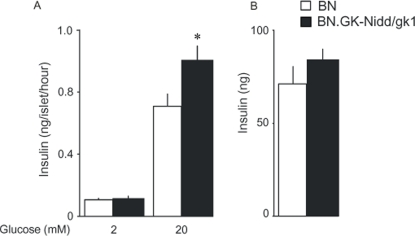
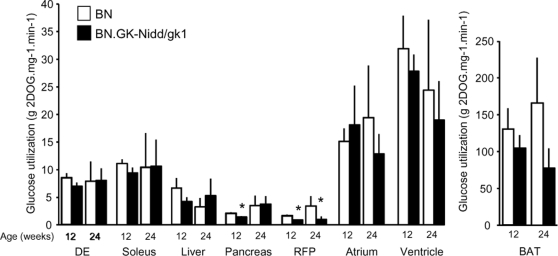
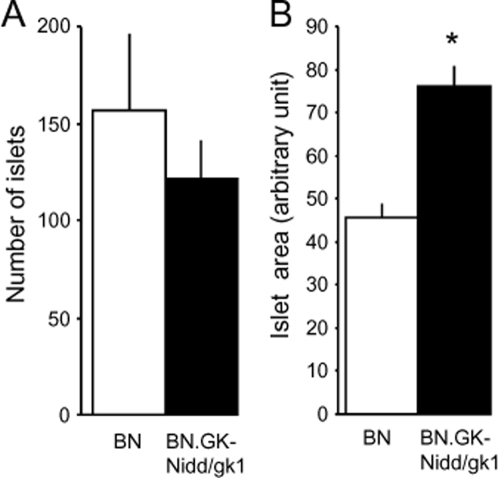
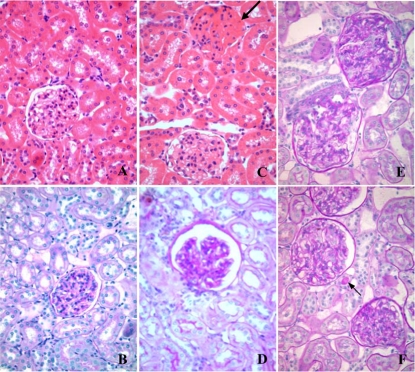
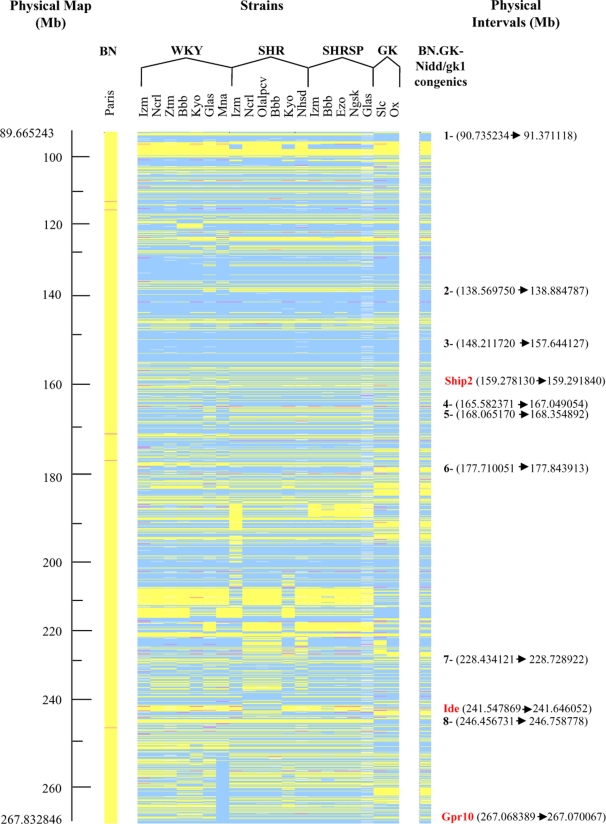
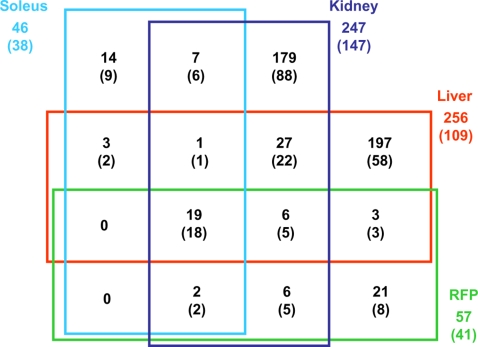
METHODOLOGY/PRINCIPAL FINDINGS: We have generated extensive physiological, genetic and genome-wide gene expression profiles in a congenic strain of the spontaneously diabetic Goto-Kakizaki (GK) rat containing a large region (110 cM, 170 Mb) of rat chromosome 1 (RNO1), which covers diabetes and obesity quantitative trait loci (QTL), introgressed onto the genetic background of the normoglycaemic Brown Norway (BN) strain. This novel disease model, which by the length of the congenic region closely mirrors the situation of a chromosome substitution strain, exhibits a wide range of abnormalities directly relevant to components of the cardio-metabolic syndrome and diabetes complications, including hyperglycaemia, hyperinsulinaemia, enhanced insulin secretion both in vivo and in vitro, insulin resistance, hypertriglyceridemia and altered pancreatic and renal histological structures. Gene transcription data in kidney, liver, skeletal muscle and white adipose tissue indicate that a disproportionately high number (43-83%) of genes differentially expressed between congenic and BN rats map to the GK genomic interval targeted in the congenic strain, which represents less than 5% of the total length of the rat genome. Genotype analysis of single nucleotide polymorphisms (SNPs) in strains genetically related to the GK highlights clusters of conserved and strain-specific variants in RNO1 that can assist the identification of naturally occurring variants isolated in diabetic and hypertensive strains when different phenotype selection procedures were applied.
Our results emphasize the importance of rat congenic models for defining the impact of genetic variants in well-characterised QTL regions on in vivo pathophysiological features and cis-/trans- regulation of gene expression. The congenic strain reported here provides a novel and sustainable model for investigating the pathogenesis and genetic basis of risks factors for the cardio-metabolic syndrome.
人类和动物模型已证实心脏代谢综合征病理生理成分的病因和发病机制复杂。
方法/主要发现:我们在一个同源近交系的自发性糖尿病Goto-Kakizaki(GK)大鼠中生成了广泛的生理、遗传和全基因组基因表达谱,该大鼠包含大鼠1号染色体(RNO1)的一个大区域(110 cM,170 Mb),涵盖糖尿病和肥胖数量性状基因座(QTL),导入到血糖正常的挪威棕色(BN)品系的遗传背景中。这个新的疾病模型,因其同源区域的长度与染色体替代品系的情况非常相似,表现出与心脏代谢综合征成分和糖尿病并发症直接相关的广泛异常,包括高血糖、高胰岛素血症、体内和体外胰岛素分泌增强、胰岛素抵抗、高甘油三酯血症以及胰腺和肾脏组织结构改变。肾脏、肝脏、骨骼肌和白色脂肪组织中的基因转录数据表明,同源近交系大鼠和BN大鼠之间差异表达的基因中,有相当高比例(43 - 83%)定位于同源近交系中靶向的GK基因组区间,该区间占大鼠基因组总长度不到5%。对与GK相关的品系中单个核苷酸多态性(SNP)的基因型分析突出了RNO1中保守和品系特异性变体的簇,当应用不同的表型选择程序时,这些变体有助于识别在糖尿病和高血压品系中分离出的自然发生的变体。
我们的结果强调了大鼠同源近交系模型对于确定特征明确的QTL区域中遗传变异对体内病理生理特征以及基因表达的顺式/反式调控的影响的重要性。本文报道的同源近交系为研究心脏代谢综合征危险因素的发病机制和遗传基础提供了一个新的可持续模型。