Department of Medicine, Health Sciences Center, University of Colorado School of Medicine Denver, CO 80262, USA.
Ther Clin Risk Manag. 2008 Apr;4(2):393-407. doi: 10.2147/tcrm.s1617.
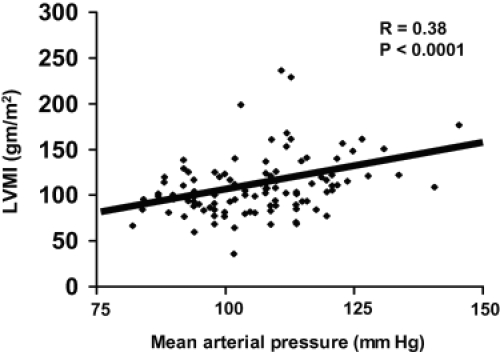
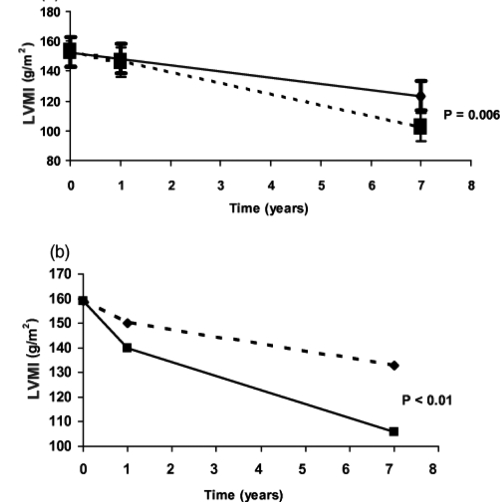
Autosomal dominant polycystic kidney disease (ADPKD) is the most frequent life- threatening, hereditary disease. ADPKD is more common than sickle cell anemia, cystic fibrosis, muscular dystrophy, hemophilia, Down's syndrome, and Huntington's disease combined. ADPKD is a multisystemic disorder characterized by the progressive development of renal cysts and marked renal enlargement. Structural and functional renal deterioration occurs in ADPKD patients and is the fourth leading cause of end-stage renal disease (ESRD) in adults. Aside from the renal manifestations, extrarenal structural abnormalities, such as liver cysts, cardiovascular abnormalities, and intracranial aneurysms may lead to morbidity and mortality. Recent studies have identified prognostic factors for progressive renal impairment including gender, race, age, proteinuria, hematuria, hypertension and increased left ventricular mass index (LVMI). Early diagnosis and better understanding of the pathophysiology of the disease provides the opportunity to aggressivly treat hypertension with renin-angiotensin-aldosterone system inhibitors and thereby potentially reduce LVMI, prevent cardiovascular morbidity and mortality and slow progression of the renal disease.
常染色体显性多囊肾病(ADPKD)是最常见的危及生命的遗传性疾病。ADPKD 的发病率高于镰状细胞性贫血、囊性纤维化、肌肉营养不良、血友病、唐氏综合征和亨廷顿病的总和。ADPKD 是一种多系统疾病,其特征是肾脏囊肿的进行性发展和明显的肾脏增大。ADPKD 患者的肾功能逐渐恶化,是成年人终末期肾病(ESRD)的第四大主要原因。除了肾脏表现外,肝囊肿、心血管异常和颅内动脉瘤等肾脏外结构异常也可能导致发病率和死亡率。最近的研究已经确定了进行性肾功能损害的预后因素,包括性别、种族、年龄、蛋白尿、血尿、高血压和左心室质量指数(LVMI)增加。早期诊断和更好地了解疾病的病理生理学为使用肾素-血管紧张素-醛固酮系统抑制剂积极治疗高血压提供了机会,从而可能降低 LVMI、预防心血管发病率和死亡率,并减缓肾脏疾病的进展。