Sire Jean-Yves, Delgado Sidney C, Girondot Marc
Université Pierre & Marie Curie-Paris 6, UMR 7138 Systématique, Adaptation, Evolution, 7 quai St-Bernard, 75005, Paris, France.
BMC Evol Biol. 2008 Sep 5;8:246. doi: 10.1186/1471-2148-8-246.
The ability to form teeth was lost in an ancestor of all modern birds, approximately 100-80 million years ago. However, experiments in chicken have revealed that the oral epithelium can respond to inductive signals from mouse mesenchyme, leading to reactivation of the odontogenic pathway. Recently, tooth germs similar to crocodile rudimentary teeth were found in a chicken mutant. These "chicken teeth" did not develop further, but the question remains whether functional teeth with enamel cap would have been obtained if the experiments had been carried out over a longer time period or if the chicken mutants had survived. The next odontogenetic step would have been tooth differentiation, involving deposition of dental proteins.
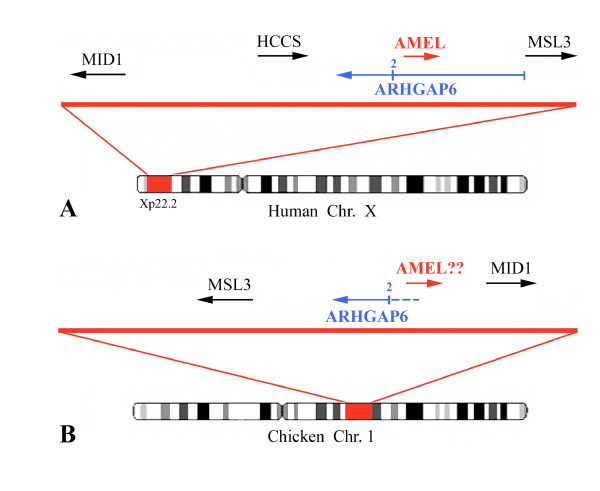
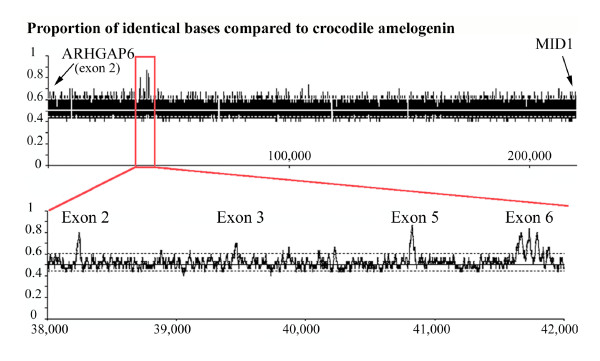
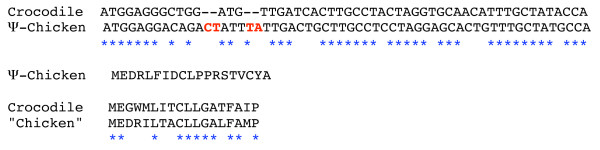
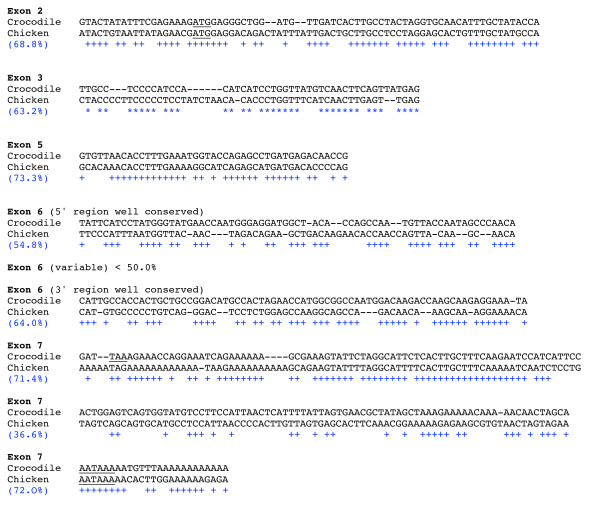
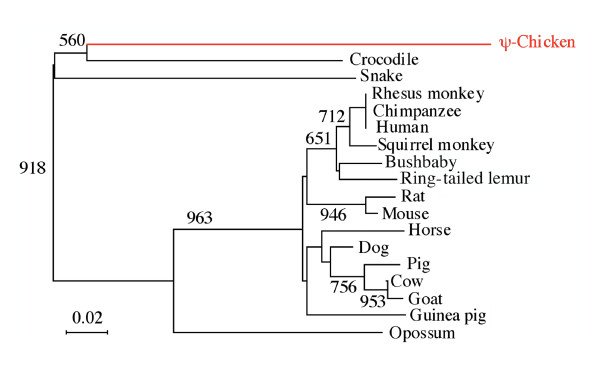
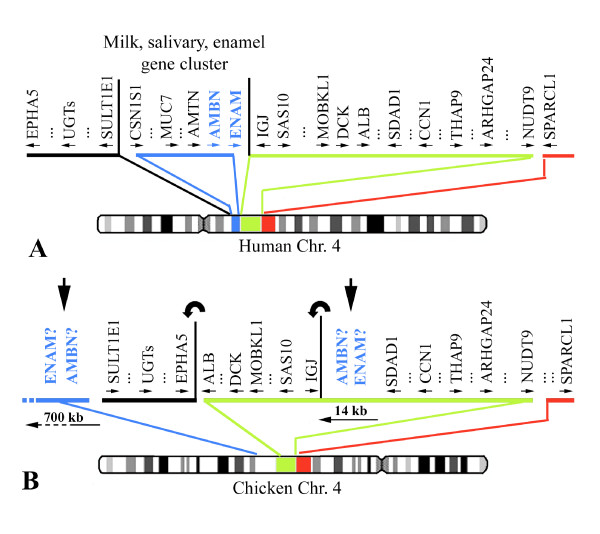
Using bioinformatics, we assessed the fate of the four dental proteins thought to be specific to enamel (amelogenin, AMEL; ameloblastin, AMBN; enamelin, ENAM) and to dentin (dentin sialophosphoprotein, DSPP) in the chicken genome. Conservation of gene synteny in amniotes allowed definition of target DNA regions in which we searched for sequence similarity. We found the full-length chicken AMEL and the only N-terminal region of DSPP, and both are invalidated genes. AMBN and ENAM disappeared after chromosomal rearrangements occurred in the candidate region in a bird ancestor.
These findings not only imply that functional teeth with enamel covering, as present in ancestral Aves, will never be obtained in birds, but they also indicate that these four protein genes were dental specific, at least in the last toothed ancestor of modern birds, a specificity which has been questioned in recent years.
大约在1亿至8000万年前,所有现代鸟类的一个共同祖先失去了形成牙齿的能力。然而,对鸡的实验表明,口腔上皮能够对来自小鼠间充质的诱导信号作出反应,从而导致牙源性途径的重新激活。最近,在一个鸡突变体中发现了类似于鳄鱼乳牙的牙胚。这些“鸡牙”没有进一步发育,但问题仍然存在:如果实验进行更长时间或者鸡突变体存活下来,是否能获得带有釉质帽的功能性牙齿。牙发育的下一步将是牙齿分化,涉及牙蛋白的沉积。
利用生物信息学,我们评估了鸡基因组中四种被认为是釉质(釉原蛋白,AMEL;成釉蛋白,AMBN;釉蛋白,ENAM)和牙本质(牙本质涎磷蛋白,DSPP)特有的牙蛋白的命运。羊膜动物中基因同线性的保守性使得能够定义目标DNA区域,我们在其中搜索序列相似性。我们发现了全长鸡AMEL和DSPP的唯一N端区域,并且这两个都是无效基因。在鸟类祖先的候选区域发生染色体重排后,AMBN和ENAM消失了。
这些发现不仅意味着鸟类永远无法获得如鸟类祖先所具有的带有釉质覆盖的功能性牙齿,而且还表明这四种蛋白质基因是牙齿特有的,至少在现代鸟类最后的有牙祖先中是这样,而近年来这一特异性受到了质疑。