Ito Takeo, Tanabe Kazuhito, Yamada Hisatsugu, Hatta Hiroshi, Nishimoto Sei-ichi
Department of Energy and Hydrocarbon Chemistry, Graduate School of Engineering, Kyoto University, Kyoto 615-8510, Japan.
Molecules. 2008 Oct 1;13(10):2370-84. doi: 10.3390/molecules13102370.
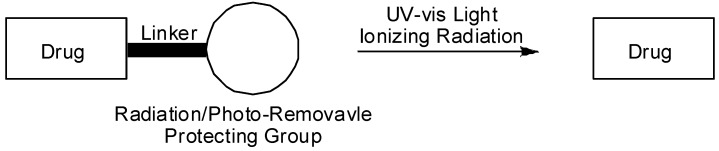
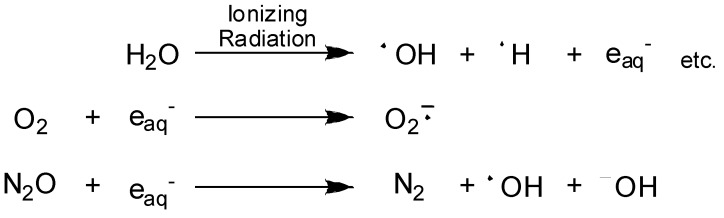
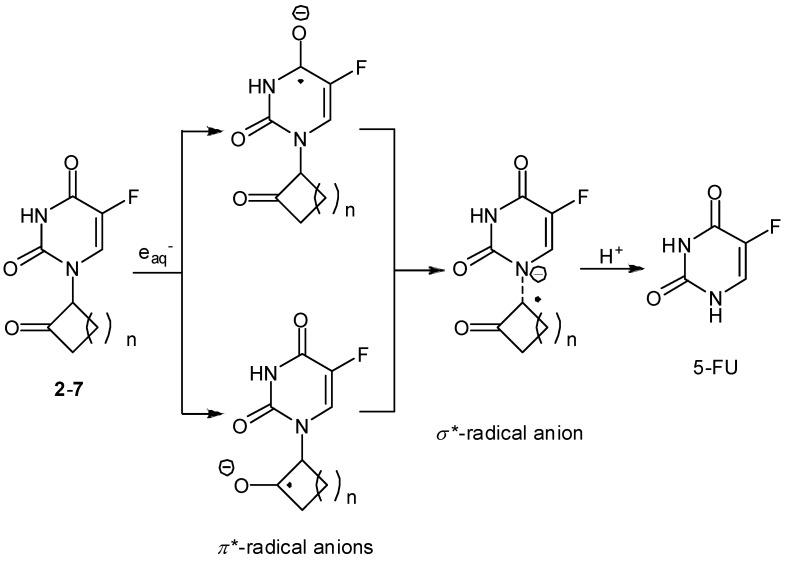
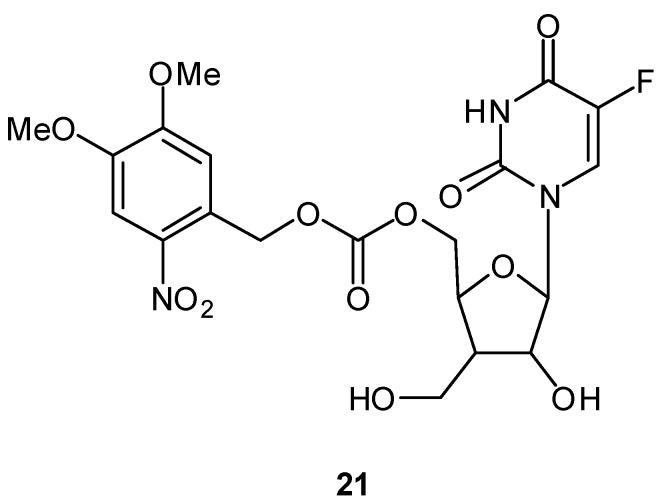
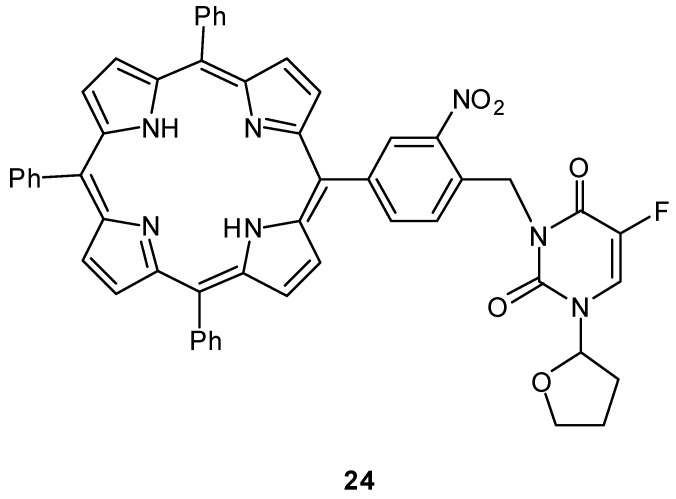
5-Fluorouracil (5-FU) is used widely as an anticancer drug to treat solid cancers, such as colon, breast, rectal, and pancreatic cancers, although its clinical application is limited because 5-FU has gastrointestinal and hematological toxicity. Many groups are searching for prodrugs with functions that are tumor selective in their delivery and can be activated to improve the clinical utility of 5-FU as an important cancer chemotherapeutic agent. UV and ionizing radiation can cause chemical reactions in a localized area of the body, and these have been applied in the development of site-specific drug activation and sensitization. In this review, we describe recent progress in the development of novel 5-FU prodrugs that are activated site specifically by UV light and ionizing radiation in the tumor microenvironment. We also discuss the chemical mechanisms underlying this activation.
5-氟尿嘧啶(5-FU)作为一种抗癌药物被广泛用于治疗实体癌,如结肠癌、乳腺癌、直肠癌和胰腺癌,尽管其临床应用受到限制,因为5-FU具有胃肠道和血液学毒性。许多研究团队正在寻找具有肿瘤选择性递送功能且可被激活的前药,以提高5-FU作为一种重要癌症化疗药物的临床效用。紫外线和电离辐射可在身体局部区域引发化学反应,这些反应已被应用于位点特异性药物激活和增敏的研发中。在本综述中,我们描述了在肿瘤微环境中通过紫外线和电离辐射位点特异性激活的新型5-FU前药研发的最新进展。我们还讨论了这种激活背后的化学机制。