Jaya Prasanthi R P, Schommer Eric, Thomasson Sarah, Thompson Alex, Feist Gwen, Ghribi Othman
Department of Pharmacology, Physiology and Therapeutics, University of North Dakota School of Medicine and Health Sciences, 501 North Columbia Road, Grand Forks, ND 58202, United States.
Mech Ageing Dev. 2008 Nov;129(11):649-55. doi: 10.1016/j.mad.2008.09.002. Epub 2008 Sep 19.
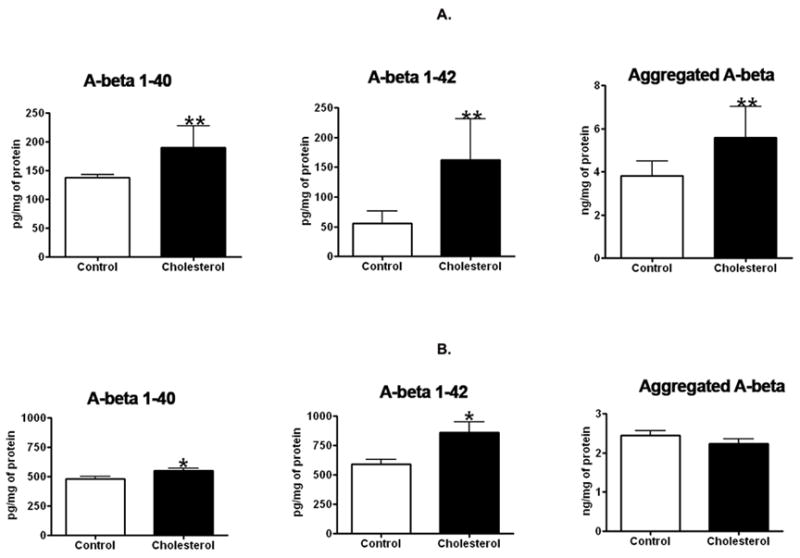
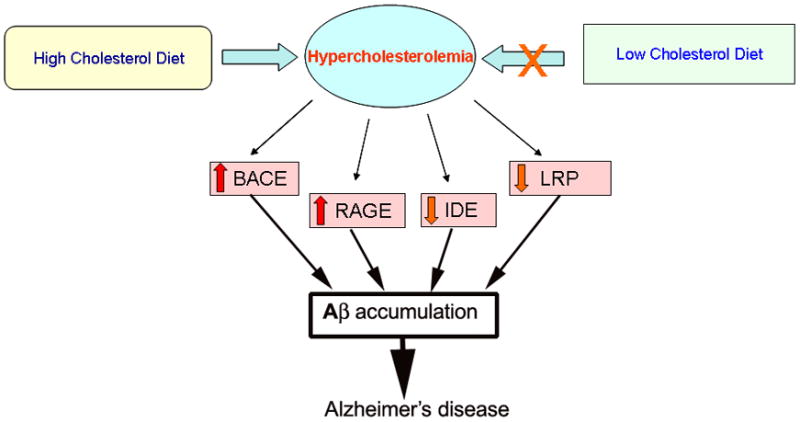
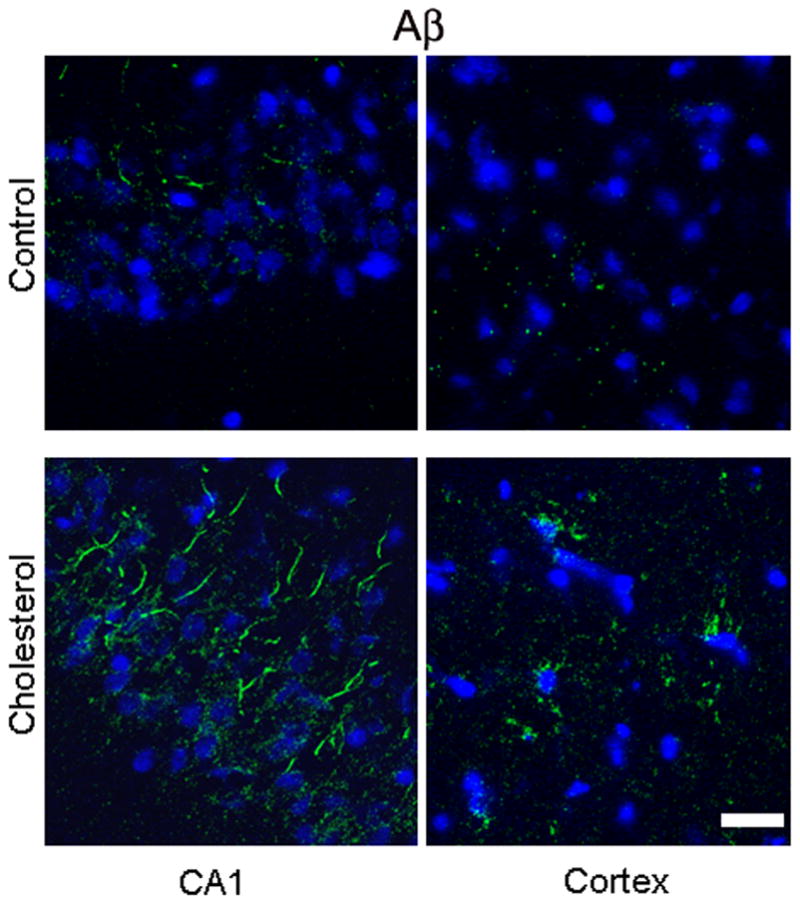
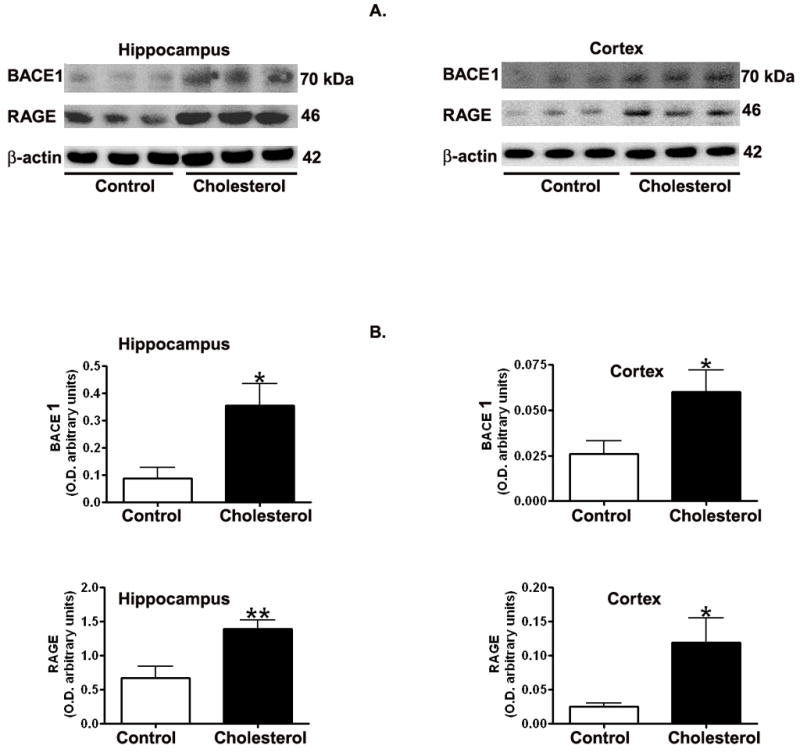
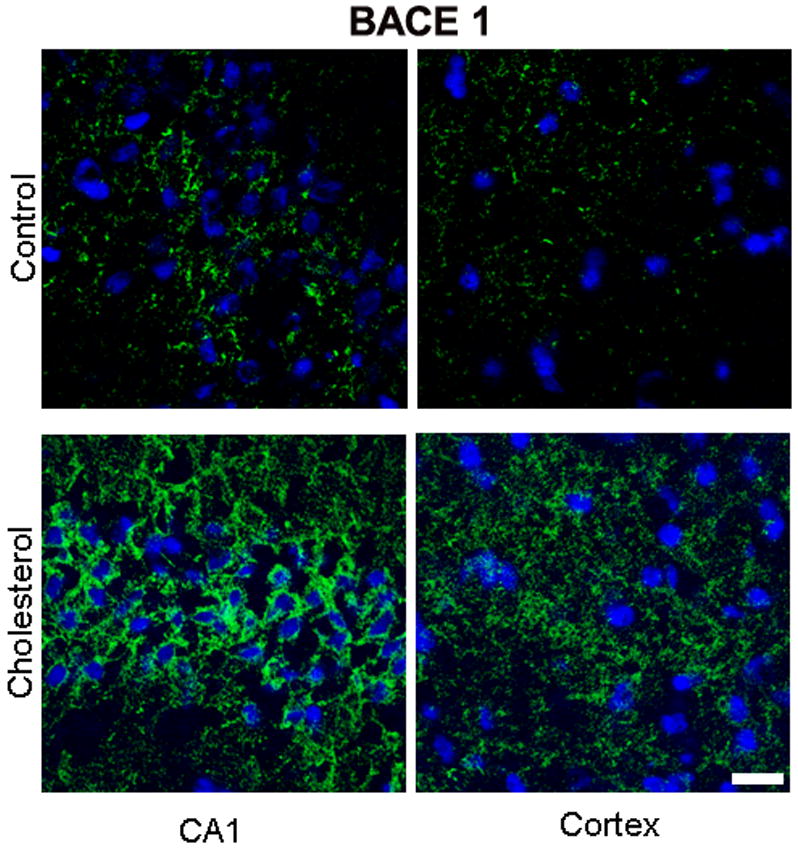
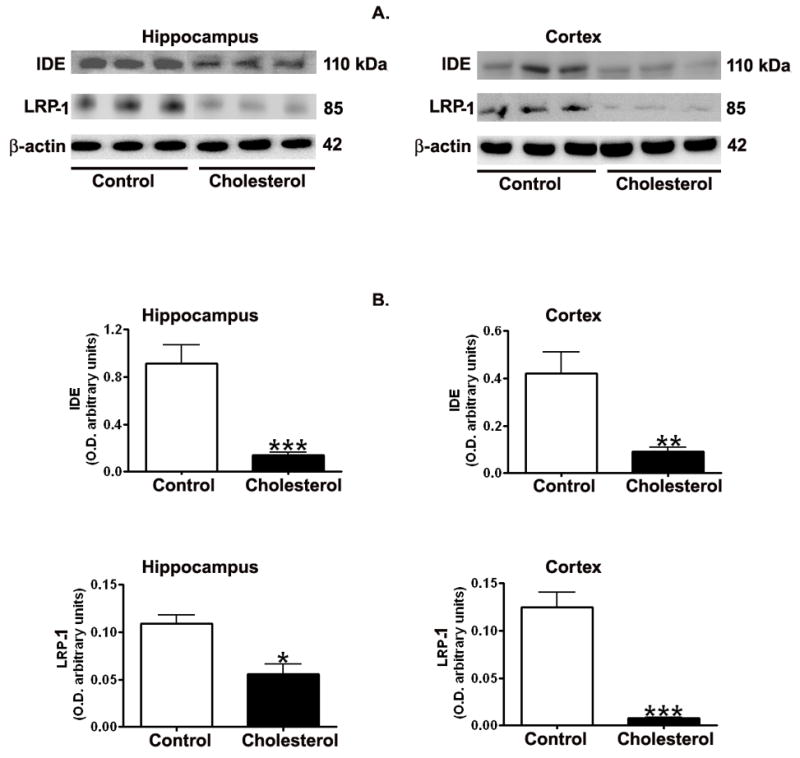
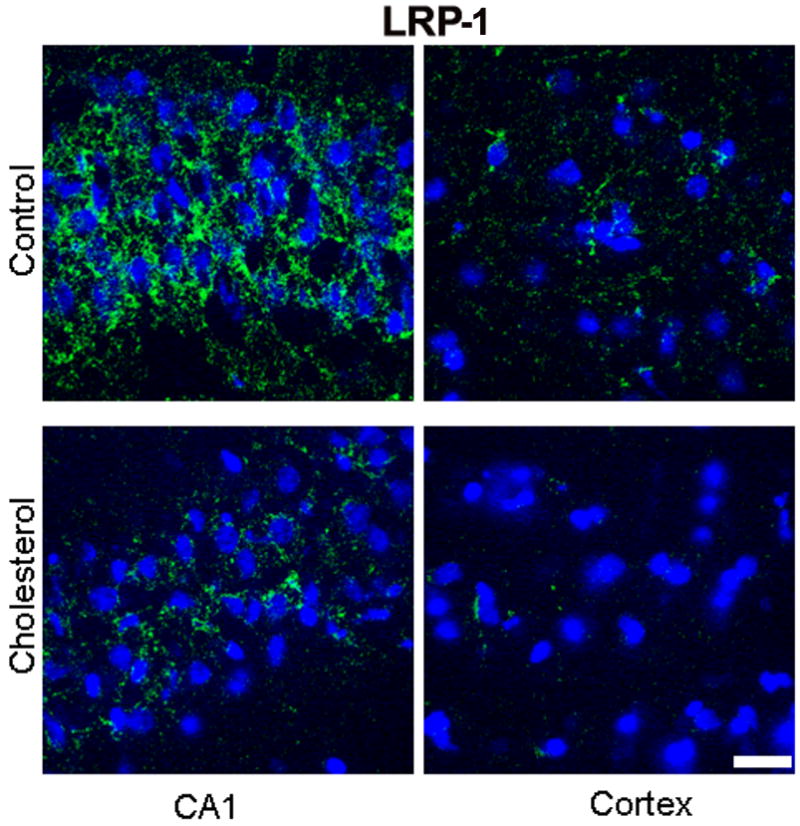
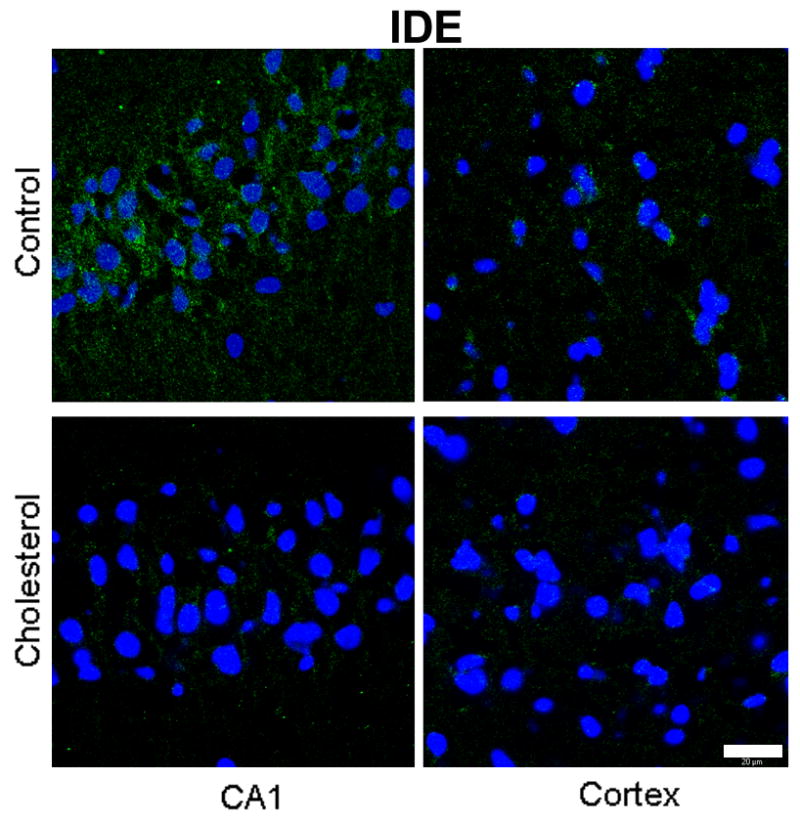
Accumulation of beta-amyloid (Abeta) peptide in the brain is a major hallmark of Alzheimer's disease (AD). Hypercholesterolemia is a risk factor for AD and has been shown by laboratory studies to cause Abeta accumulation. Abeta levels in the brain are governed by its generation from amyloid precursor protein by beta-secretase (BACE1), degradation by the insulin degrading enzyme (IDE), clearance from the brain by the low density lipoprotein receptor-related protein (LRP-1), and transport from circulation into the brain by receptor for advanced glycation end products (RAGE). However, the mechanisms by which hypercholesterolemia causes Abeta accumulation in the brain and contributes to the pathogenesis of AD are still to be determined. In the present study, we determined the extent to which hypercholesterolemia-induced Abeta accumulation is associated with alterations in BACE1, IDE, LRP-1, and RAGE expression levels. We show that hypercholesterolemia increases Abeta production, an effect that is associated with increased levels of BACE1 and RAGE and reduced levels of IDE and LRP-1. These results suggest that reducing Abeta accumulation in the brain may require strategies that combine reduction of generation and transport of Abeta in addition to acceleration of degradation and clearance of this peptide.
β-淀粉样蛋白(Aβ)在大脑中的积累是阿尔茨海默病(AD)的一个主要标志。高胆固醇血症是AD的一个风险因素,实验室研究已表明其会导致Aβ积累。大脑中的Aβ水平受多种因素调控,包括β-分泌酶(BACE1)将淀粉样前体蛋白转化为Aβ、胰岛素降解酶(IDE)对Aβ的降解、低密度脂蛋白受体相关蛋白(LRP-1)将Aβ从大脑清除以及晚期糖基化终产物受体(RAGE)将Aβ从循环转运至大脑。然而,高胆固醇血症导致大脑中Aβ积累并促成AD发病机制的具体机制仍有待确定。在本研究中,我们确定了高胆固醇血症诱导的Aβ积累与BACE1、IDE、LRP-1和RAGE表达水平改变之间的关联程度。我们发现高胆固醇血症会增加Aβ的产生,这种效应与BACE1和RAGE水平升高以及IDE和LRP-1水平降低有关。这些结果表明,减少大脑中Aβ的积累可能需要综合采取减少Aβ生成和转运、加速该肽降解和清除的策略。