Vézina Louis-Gilbert
Program in Neuroradiology, Children's National Medical Center, Radiology and Pediatrics, The George Washington University School of Medicine and Health Sciences, Washington, DC 20010-2970, USA.
J Child Neurol. 2008 Oct;23(10):1128-35. doi: 10.1177/0883073808320753.
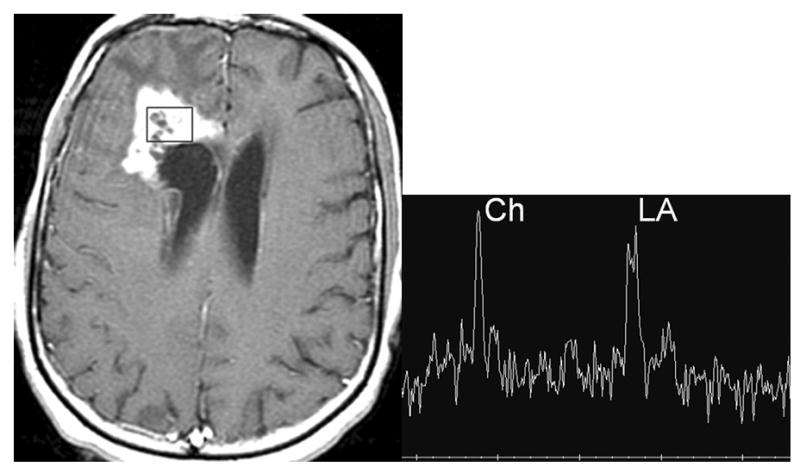
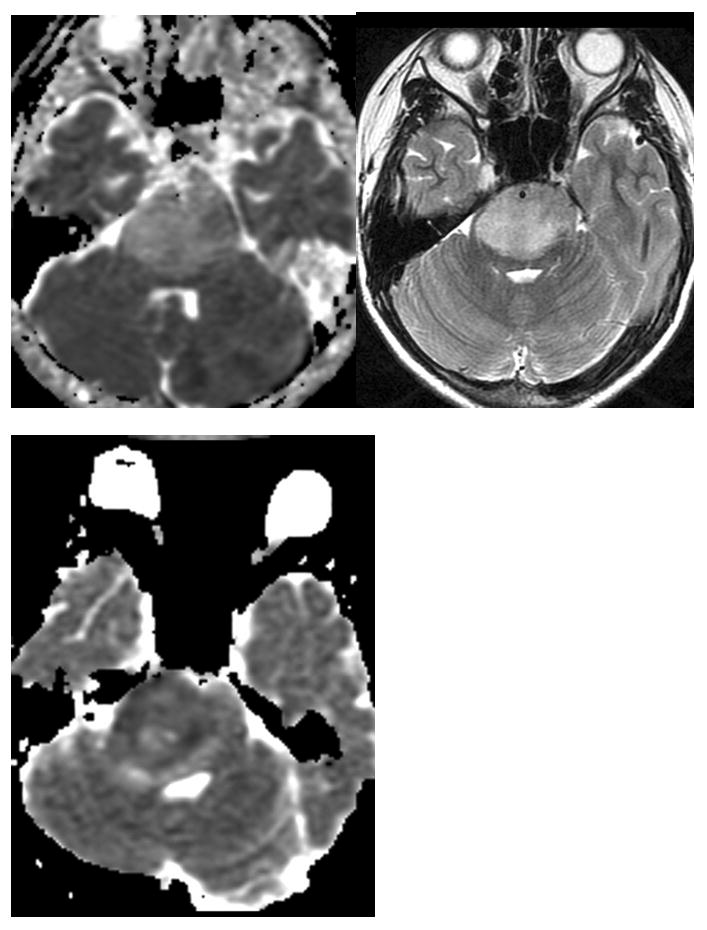
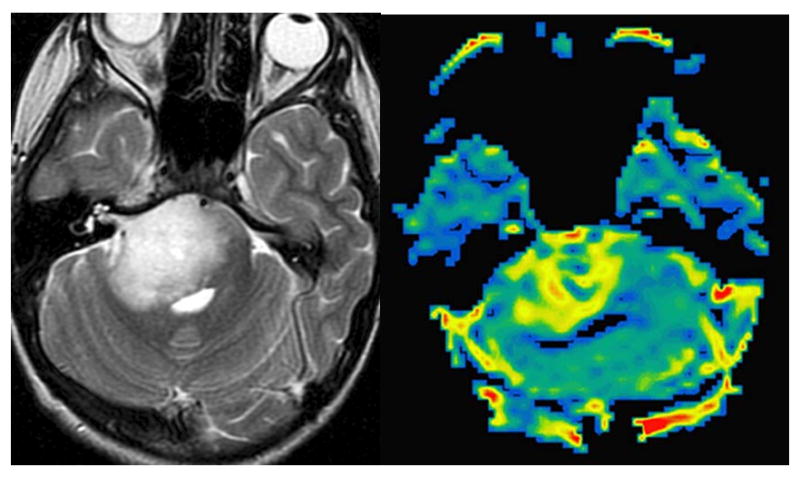
Magnetic resonance technology is continually improving. Functional imaging techniques such as magnetic resonance spectroscopy, perfusion imaging, diffusion imaging, and diffusion tensor imaging are increasingly used in the diagnosis and treatment of brain tumors in children. However, estimate of tumor size remains the primary imaging endpoint in the evaluation of response to treatment, and validation across institutions and vendor platforms of magnetic resonance imaging functional parameters is necessary given the relatively uncommon occurrence of brain tumors in children. Pediatric neuroimaging can be challenging, and the optimal way to image children with tumors of the central nervous system is not uniformly applied across all centers. Application of proper scanning techniques and validation of functional imaging techniques should lead to improved care of children with central nervous system tumors.
磁共振技术在不断进步。诸如磁共振波谱、灌注成像、扩散成像和扩散张量成像等功能成像技术越来越多地用于儿童脑肿瘤的诊断和治疗。然而,肿瘤大小的评估仍然是治疗反应评估中的主要成像终点,鉴于儿童脑肿瘤相对少见,有必要在各机构和供应商平台之间对磁共振成像功能参数进行验证。儿科神经成像可能具有挑战性,对患有中枢神经系统肿瘤的儿童进行成像的最佳方法在所有中心并未得到统一应用。应用适当的扫描技术并验证功能成像技术应能改善对患有中枢神经系统肿瘤儿童的护理。