Chen Jing, Connor Kip M, Aderman Christopher M, Willett Keirnan L, Aspegren Oskar P, Smith Lois E H
Department of Ophthalmology, Children's Hospital Boston, Harvard Medical School, Boston, Massachusetts 02115, USA.
Invest Ophthalmol Vis Sci. 2009 Mar;50(3):1329-35. doi: 10.1167/iovs.08-2521. Epub 2008 Oct 24.
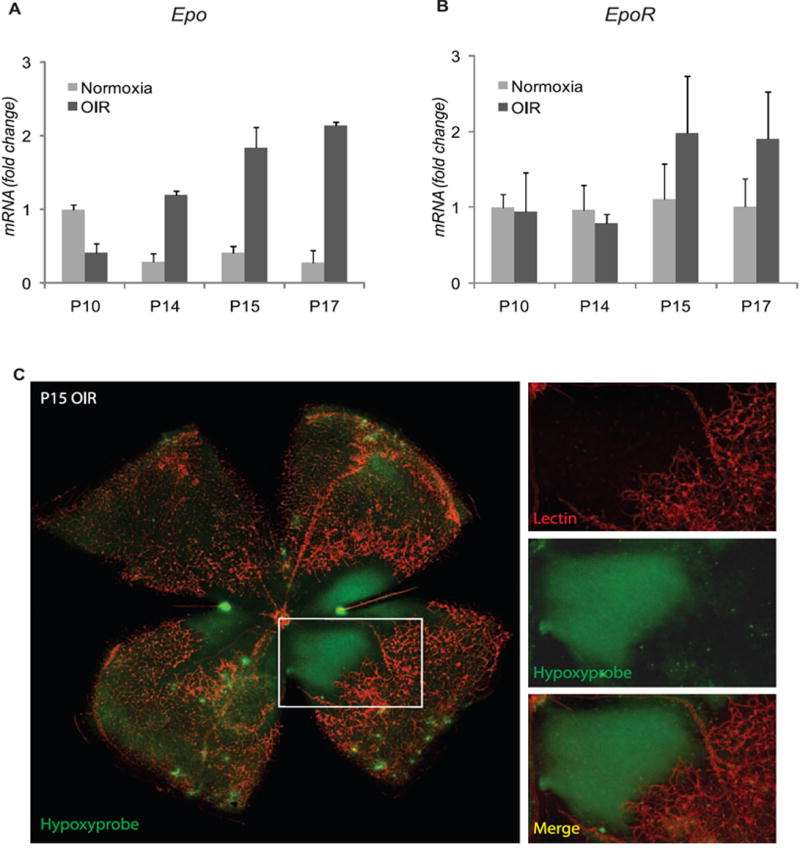
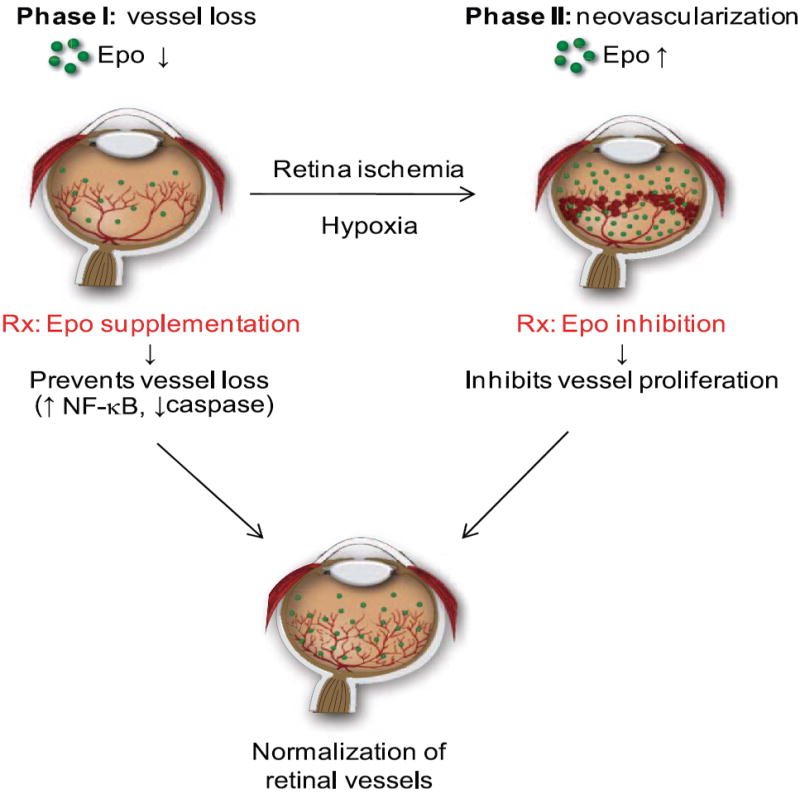
Erythropoietin (EPO), an oxygen-regulated hormone stimulating erythrocyte production, was recently found to be critical for retinal angiogenesis. EPO mRNA expression levels in retina are highly elevated during the hypoxia-induced proliferation phase of retinopathy. The authors investigated the inhibition of retinal EPO mRNA expression with RNA interference as a potential strategy to suppress retinal neovascularization and to prevent proliferative retinopathy.
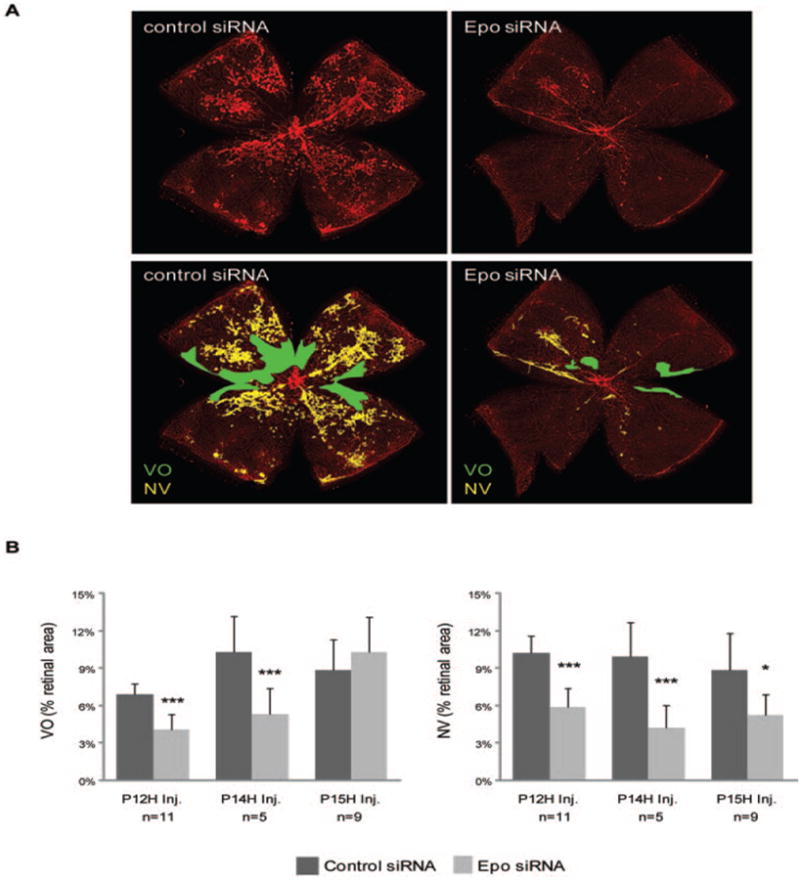
The authors used a mouse model of oxygen-induced retinopathy. Retinal EPO and Epo receptor (EpoR) expression during retinopathy development were quantified with real-time RT-PCR in whole retina and on laser-captured retinal vessels and neuronal layers. Retinal hypoxia was assessed with an oxygen-sensitive hypoxyprobe. A small interference RNA (siRNA) targeting EPO or control negative siRNA was injected intravitreally at postnatal (P) day 12, P14, and P15 during the hypoxic phase, and the effect on neovascularization was evaluated in retinal flatmounts at P17.
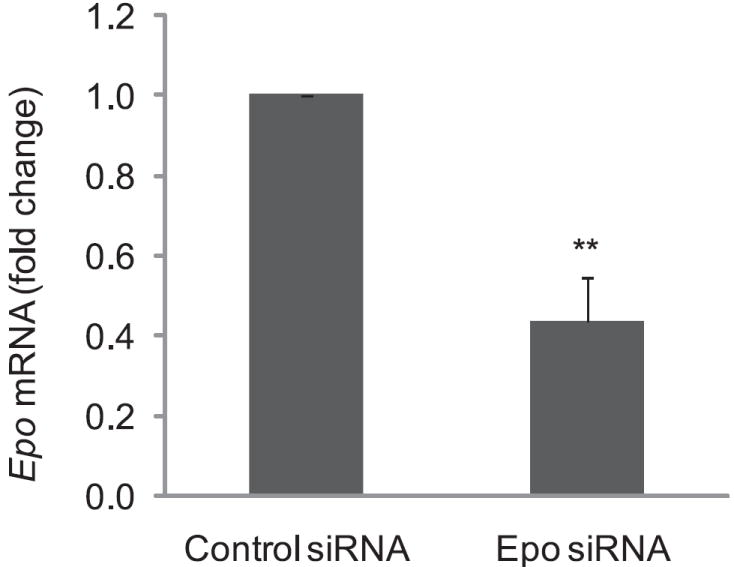
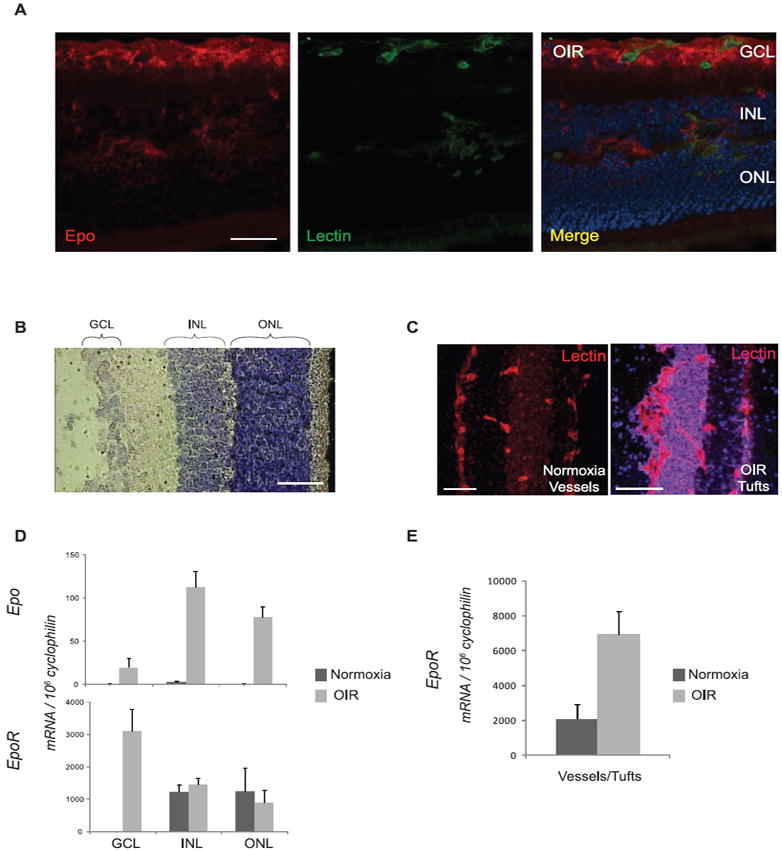
Retinal EPO mRNA expression in total retina was suppressed during the initial phase of vessel loss in retinopathy and was significantly elevated during the hypoxia-induced proliferative phase in all three neuronal layers in the retina, corresponding to an increased level of retinal hypoxia. EpoR mRNA expression levels also increased during the second neovascular phase, specifically in hypoxia-induced neovascular vessels. Intravitreous injection of EPO siRNA effectively inhibited approximately 60% of retinal EPO mRNA expression and significantly suppressed retinal neovascularization by approximately 40%.
Inhibiting EPO mRNA expression with siRNA is effective in suppressing retinal neovascularization, suggesting EPO siRNA is a potentially useful pharmaceutical intervention for treating proliferative retinopathy.
促红细胞生成素(EPO)是一种受氧调节的刺激红细胞生成的激素,最近发现其对视网膜血管生成至关重要。在视网膜病变的缺氧诱导增殖期,视网膜中EPO mRNA表达水平显著升高。作者研究了用RNA干扰抑制视网膜EPO mRNA表达,作为抑制视网膜新生血管形成和预防增殖性视网膜病变的一种潜在策略。
作者使用氧诱导视网膜病变的小鼠模型。在视网膜病变发展过程中,通过实时逆转录聚合酶链反应(RT-PCR)对全视网膜、激光捕获的视网膜血管和神经层中的视网膜EPO和EPO受体(EpoR)表达进行定量。用氧敏感型缺氧探针评估视网膜缺氧情况。在缺氧期于出生后(P)第12天、P14天和P15天经玻璃体注射靶向EPO的小干扰RNA(siRNA)或对照阴性siRNA,并在P17时通过视网膜铺片评估其对新生血管形成的影响。
在视网膜病变血管丢失的初始阶段,全视网膜中视网膜EPO mRNA表达受到抑制,而在视网膜所有三个神经层的缺氧诱导增殖期显著升高,这与视网膜缺氧水平升高相对应。EpoR mRNA表达水平在第二个新生血管期也增加,特别是在缺氧诱导的新生血管中。经玻璃体注射EPO siRNA可有效抑制约60%的视网膜EPO mRNA表达,并显著抑制约40%的视网膜新生血管形成。
用siRNA抑制EPO mRNA表达可有效抑制视网膜新生血管形成,提示EPO siRNA是治疗增殖性视网膜病变的一种潜在有用的药物干预手段。