Heilig J S, Freeman M, Laverty T, Lee K J, Campos A R, Rubin G M, Steller H
Department of Molecular and Cell Biology, University of California, Berkeley 94720.
EMBO J. 1991 Apr;10(4):809-15. doi: 10.1002/j.1460-2075.1991.tb08013.x.
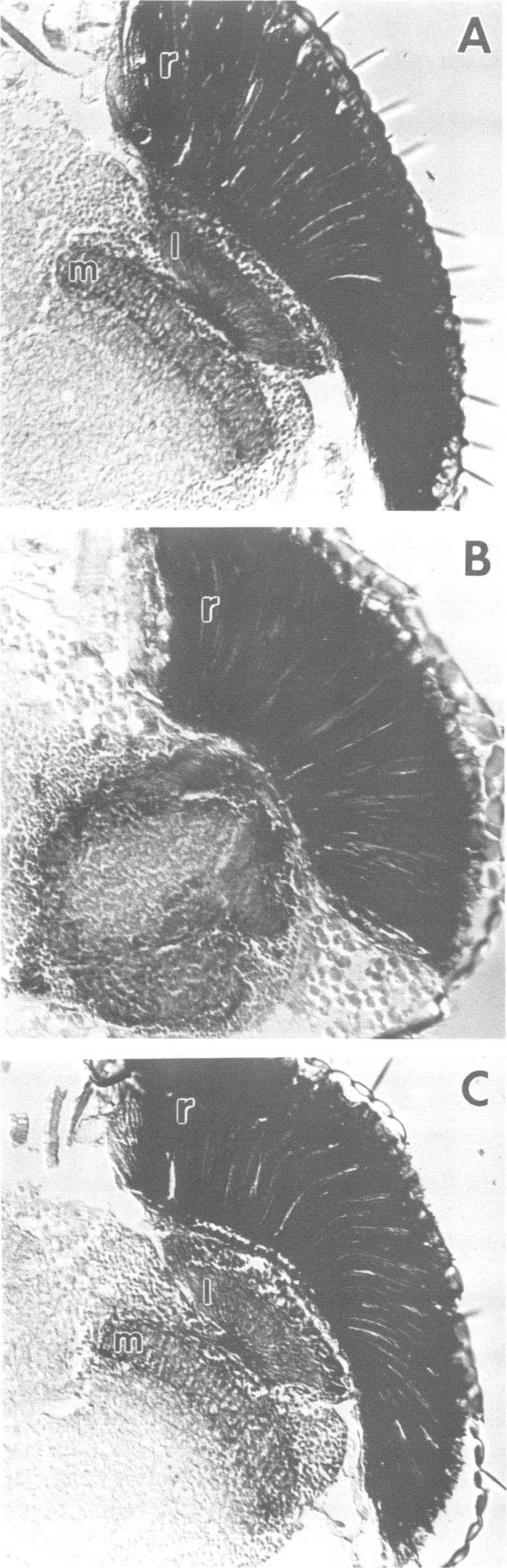
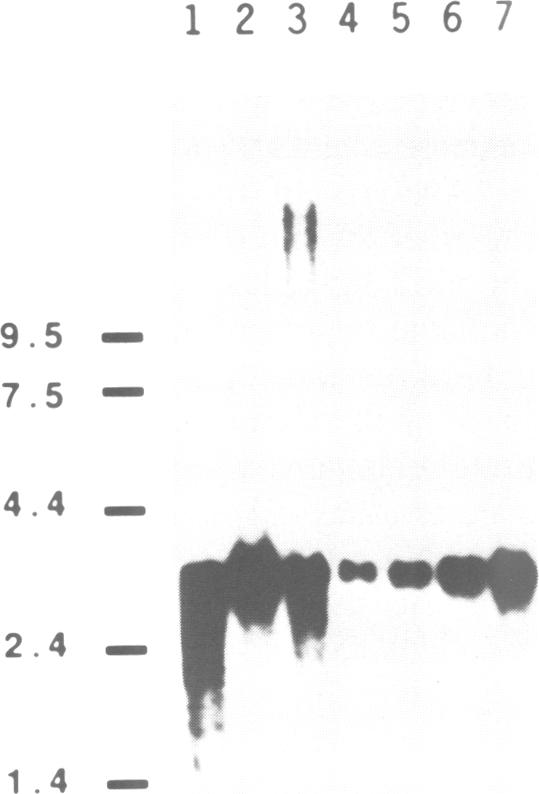
Mutations in the disco (disconnected) gene prevent the establishment of stable connections between the larval optic nerves, the Bolwig's nerves, and their target cells in the brain during embryonic development. The failure of this initial connection is associated with aberrant development of the optic lobes which are largely degenerate in the mutant adult fly. In order to understand the role of disco in establishing this connection, we isolated and characterized the disco gene. A 22 kb DNA fragment can completely rescue the mutant phenotype. A single transcript, 2.9 kb in length, is found in this region and is expressed throughout development of the fly. We determined the nucleotide sequence of the disco gene to be unique when compared with sequences in a number of databases. The predicted amino acid sequence contains a region with similarity to the consensus established for the zinc finger motif. Mobilization of a P-element inserted near the gene resulted in the deletion of the 5' end of the gene and produced flies indistinguishable from those carrying the disco allele.
“脱节”基因的突变会阻止幼虫视神经、博尔维格氏神经及其在胚胎发育期间大脑中的靶细胞之间建立稳定的连接。这种初始连接的失败与视叶的异常发育有关,视叶在突变的成年果蝇中大多退化。为了了解“脱节”基因在建立这种连接中的作用,我们分离并鉴定了“脱节”基因。一个22 kb的DNA片段可以完全挽救突变表型。在该区域发现了一个长度为2.9 kb的单一转录本,并且在果蝇的整个发育过程中都有表达。与多个数据库中的序列相比,我们确定“脱节”基因的核苷酸序列是独特的。预测的氨基酸序列包含一个与锌指基序所确立的共有序列相似的区域。插入该基因附近的P因子的移动导致该基因5'端的缺失,并产生了与携带“脱节”等位基因的果蝇无法区分的果蝇。