Mori Shahram, Cortes Jorge, Kantarjian Hagop, Zhang Weiguo, Andreef Michael, Ravandi Farhad
Department of Leukemia, University of Texas M. D. Anderson Cancer Center, Houston, TX 77030, USA.
Leuk Lymphoma. 2008 Dec;49(12):2246-55. doi: 10.1080/10428190802510349.
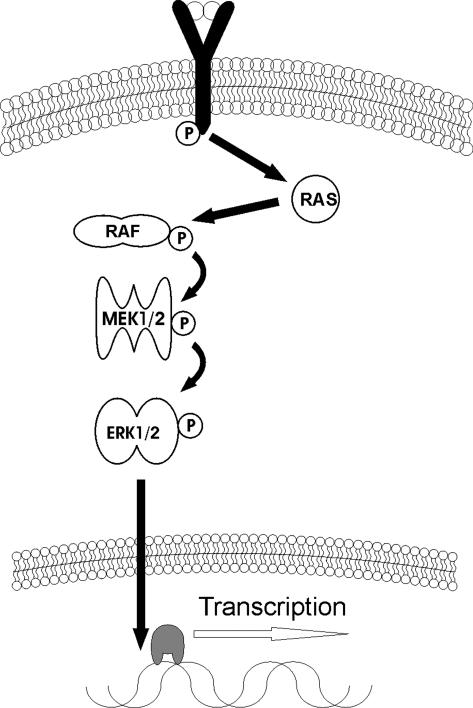
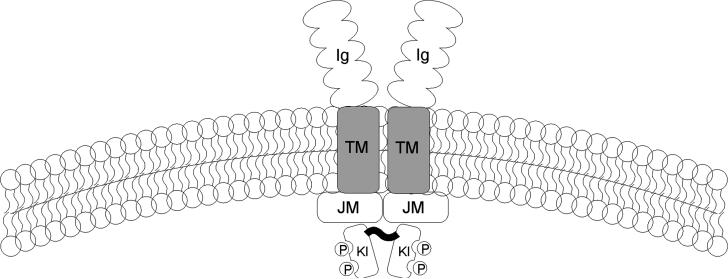
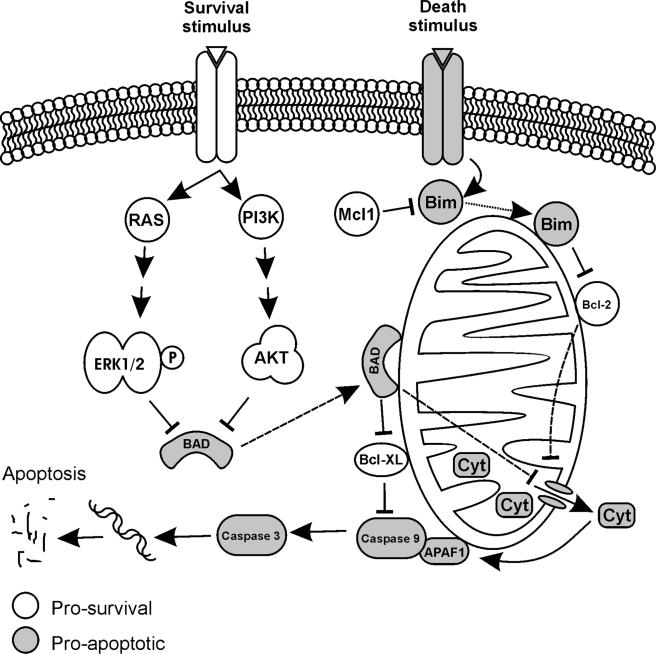
The identification of aberrant cellular pathways and dysfunctional molecules important in neoplastic transformation has begun to provide us with a number of targets for drug development. It is likely that many of these agents will be incorporated into our existing treatment strategies that include cytotoxic agents. Sorafenib, a multi-kinase inhibitor has been approved in the United States for the treatment of renal cell carcinoma as well as hepatocellular cancer. Its potential role in hematological malignancies, particularly acute myeloid leukemia (AML) is under evaluation. Here we describe the biological pathways in AML that are the potential targets of sorafenib action and discuss the early clinical data with the agent in solid tumors and AML.
对肿瘤转化过程中重要的异常细胞通路和功能失调分子的识别,已开始为我们提供许多药物开发靶点。这些药物中的许多可能会被纳入我们现有的包括细胞毒性药物在内的治疗策略中。索拉非尼,一种多激酶抑制剂,已在美国被批准用于治疗肾细胞癌和肝细胞癌。其在血液系统恶性肿瘤,特别是急性髓系白血病(AML)中的潜在作用正在评估中。在此,我们描述AML中作为索拉非尼作用潜在靶点的生物学通路,并讨论该药物在实体瘤和AML中的早期临床数据。