Kendrick Howard, Regan Joseph L, Magnay Fiona-Ann, Grigoriadis Anita, Mitsopoulos Costas, Zvelebil Marketa, Smalley Matthew J
Breakthrough Breast Cancer Research Centre, The Institute of Cancer Research, London, UK.
BMC Genomics. 2008 Dec 8;9:591. doi: 10.1186/1471-2164-9-591.
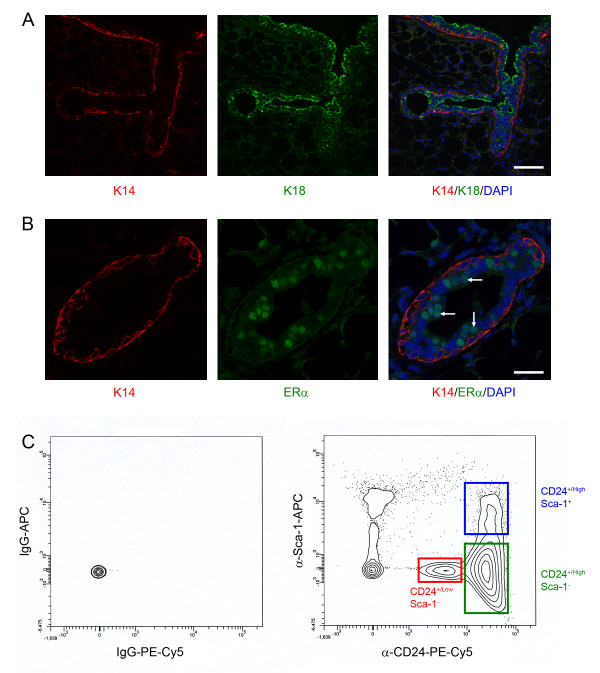
Understanding the molecular control of cell lineages and fate determination in complex tissues is key to not only understanding the developmental biology and cellular homeostasis of such tissues but also for our understanding and interpretation of the molecular pathology of diseases such as cancer. The prerequisite for such an understanding is detailed knowledge of the cell types that make up such tissues, including their comprehensive molecular characterisation. In the mammary epithelium, the bulk of the tissue is composed of three cell lineages, namely the basal/myoepithelial, luminal epithelial estrogen receptor positive and luminal epithelial estrogen receptor negative cells. However, a detailed molecular characterisation of the transcriptomic differences between these three populations has not been carried out.
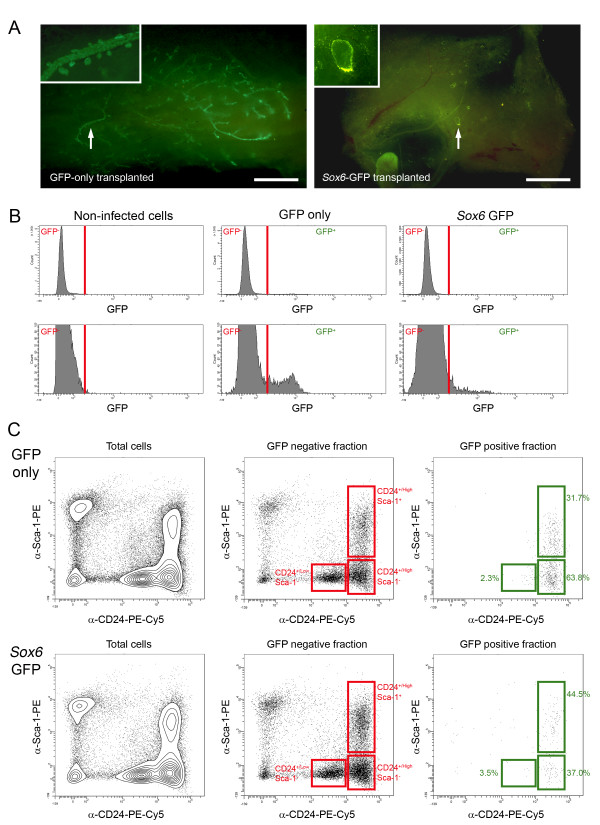
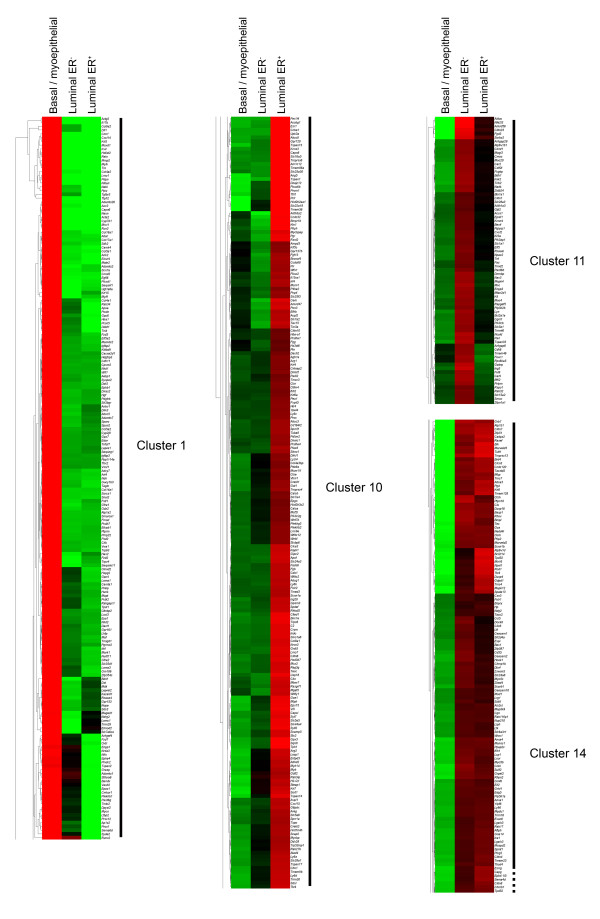
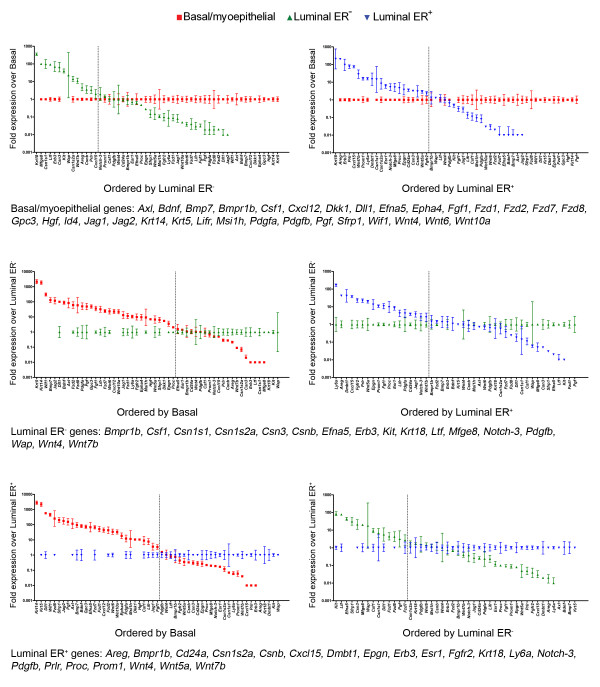
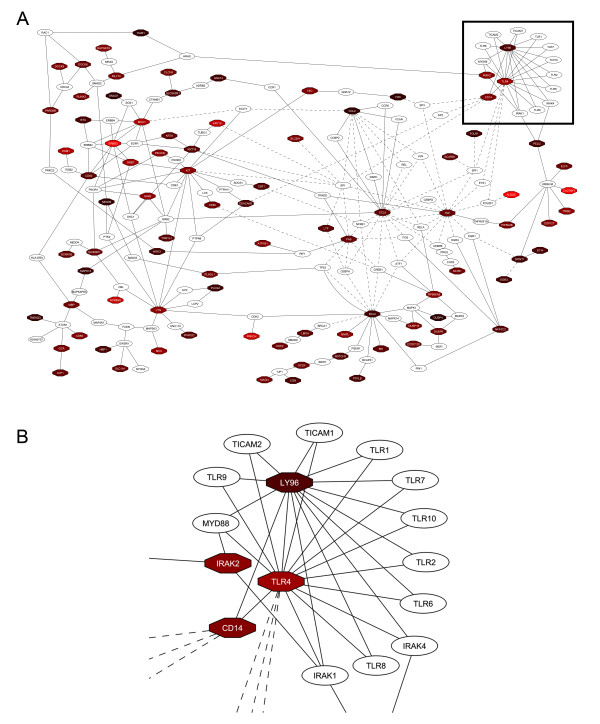
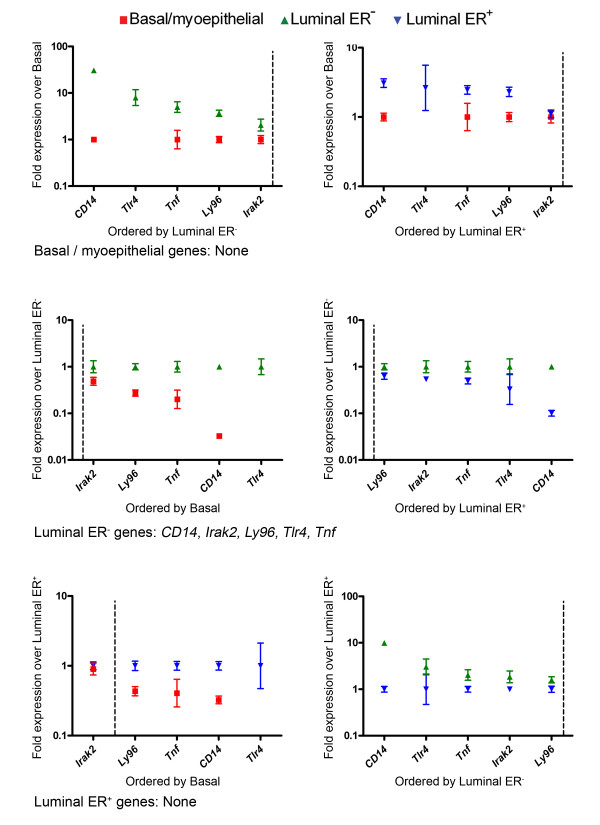
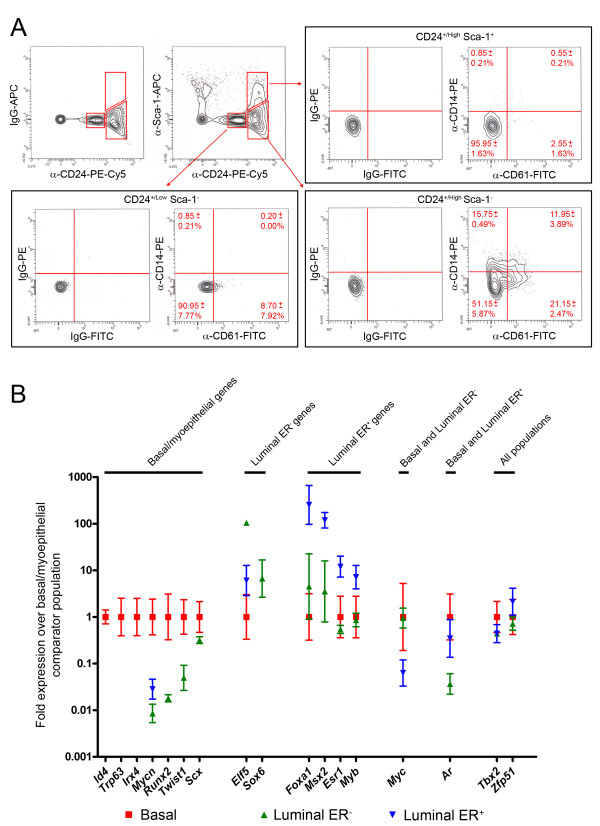
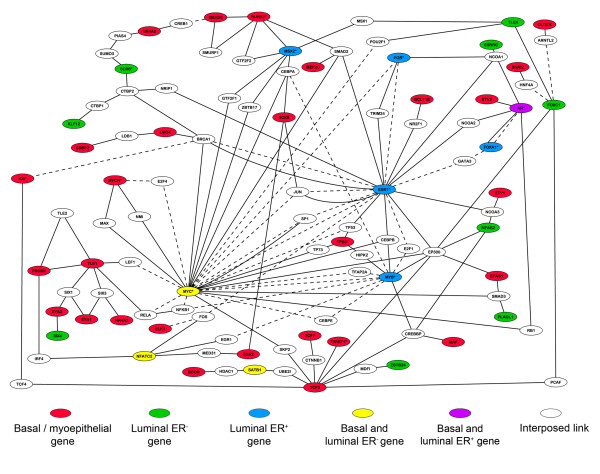
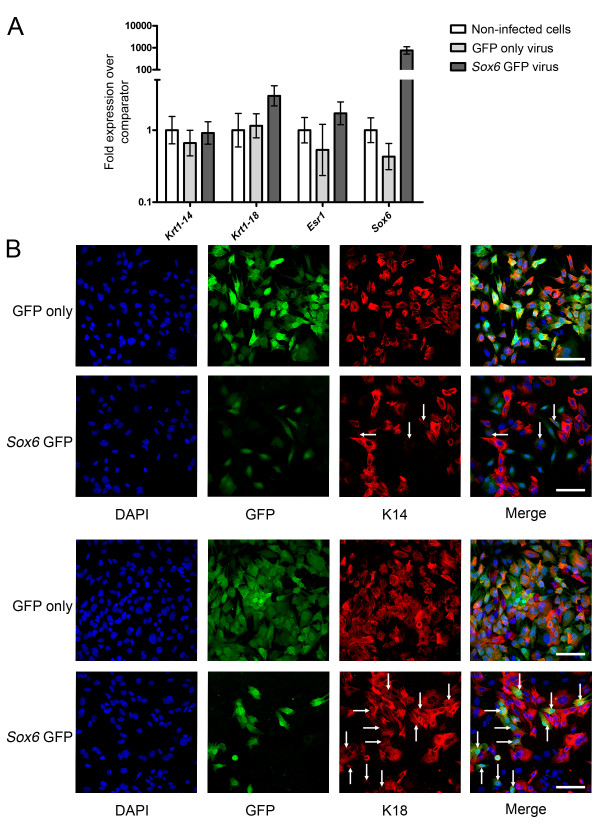
A whole transcriptome analysis of basal/myoepithelial cells, luminal estrogen receptor negative cells and luminal estrogen receptor positive cells isolated from the virgin mouse mammary epithelium identified 861, 326 and 488 genes as highly differentially expressed in the three cell types, respectively. Network analysis of the transcriptomic data identified a subpopulation of luminal estrogen receptor negative cells with a novel potential role as non-professional immune cells. Analysis of the data for potential paracrine interacting factors showed that the basal/myoepithelial cells, remarkably, expressed over twice as many ligands and cell surface receptors as the other two populations combined. A number of transcriptional regulators were also identified that were differentially expressed between the cell lineages. One of these, Sox6, was specifically expressed in luminal estrogen receptor negative cells and functional assays confirmed that it maintained mammary epithelial cells in a differentiated luminal cell lineage.
The mouse mammary epithelium is composed of three main cell types with distinct gene expression patterns. These suggest the existence of a novel functional cell type within the gland, that the basal/myoepithelial cells are key regulators of paracrine signalling and that there is a complex network of differentially expressed transcription factors controlling mammary epithelial cell fate. These data will form the basis for understanding not only cell fate determination and cellular homeostasis in the normal mammary epithelium but also the contribution of different mammary epithelial cell types to the etiology and molecular pathology of breast disease.
了解复杂组织中细胞谱系的分子调控和命运决定不仅是理解此类组织发育生物学和细胞稳态的关键,也是我们理解和解释癌症等疾病分子病理学的关键。这种理解的前提是详细了解构成此类组织的细胞类型,包括它们的全面分子特征。在乳腺上皮中,大部分组织由三种细胞谱系组成,即基底/肌上皮细胞、腔上皮雌激素受体阳性细胞和腔上皮雌激素受体阴性细胞。然而,尚未对这三种细胞群体之间转录组差异进行详细的分子特征分析。
对从处女小鼠乳腺上皮中分离出的基底/肌上皮细胞、腔雌激素受体阴性细胞和腔雌激素受体阳性细胞进行全转录组分析,分别鉴定出861、326和488个基因在这三种细胞类型中高度差异表达。对转录组数据的网络分析确定了一个腔雌激素受体阴性细胞亚群,其具有作为非专职免疫细胞的新潜在作用。对潜在旁分泌相互作用因子数据的分析表明,基底/肌上皮细胞表达的配体和细胞表面受体数量明显是其他两个群体总和的两倍多。还鉴定出一些在细胞谱系之间差异表达的转录调节因子。其中之一,Sox6,在腔雌激素受体阴性细胞中特异性表达,功能分析证实它使乳腺上皮细胞维持在分化的腔细胞谱系中。
小鼠乳腺上皮由三种具有不同基因表达模式的主要细胞类型组成。这些表明腺体中存在一种新的功能细胞类型,基底/肌上皮细胞是旁分泌信号传导的关键调节因子,并且存在一个控制乳腺上皮细胞命运的差异表达转录因子复杂网络。这些数据不仅将为理解正常乳腺上皮中的细胞命运决定和细胞稳态奠定基础,也将为理解不同乳腺上皮细胞类型对乳腺疾病病因学和分子病理学的贡献奠定基础。