Morgan Nicola H, Stanford Ian M, Woodhall Gavin L
School of Life and Health Sciences, Aston University, Aston Triangle, Birmingham, UK.
Neural Plast. 2008;2008:808564. doi: 10.1155/2008/808564. Epub 2008 Dec 1.
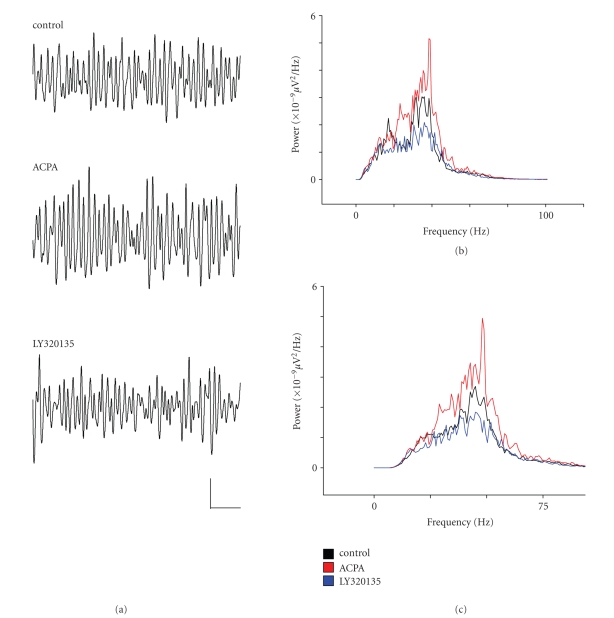
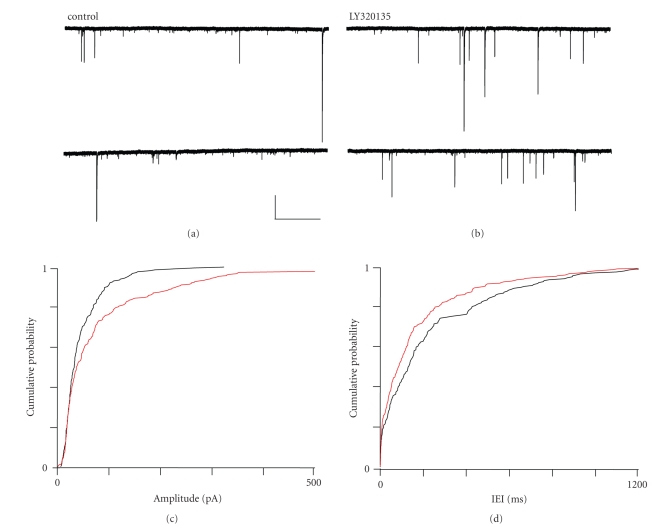
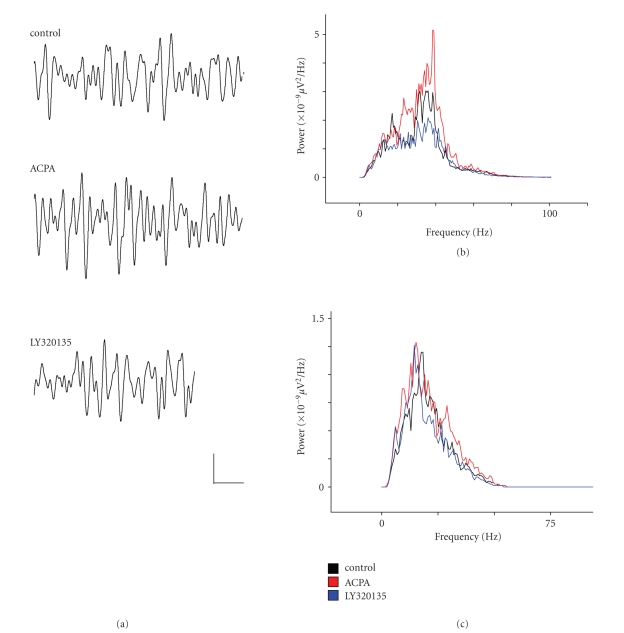
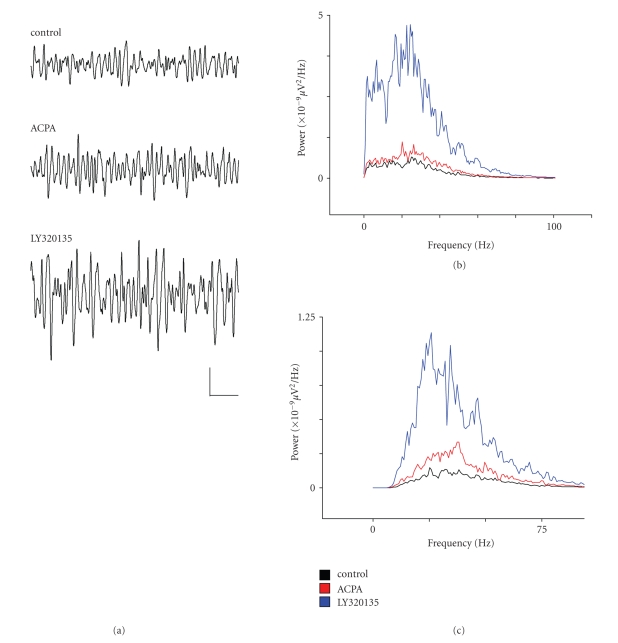
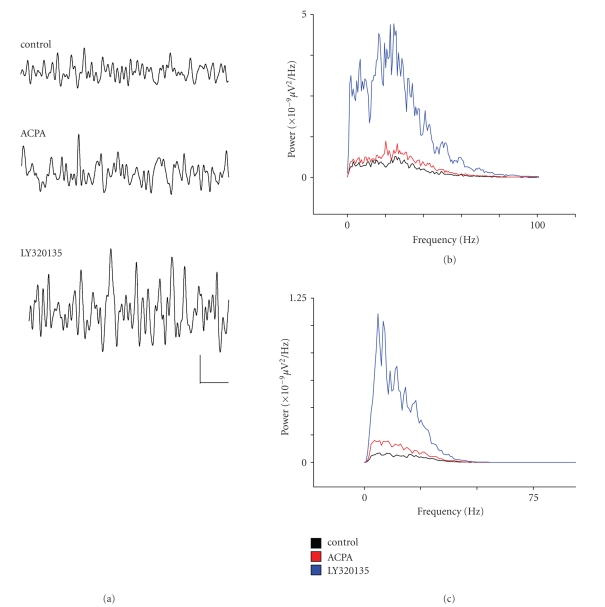
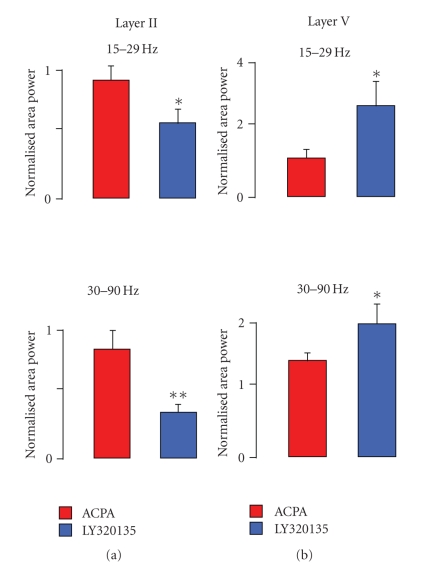
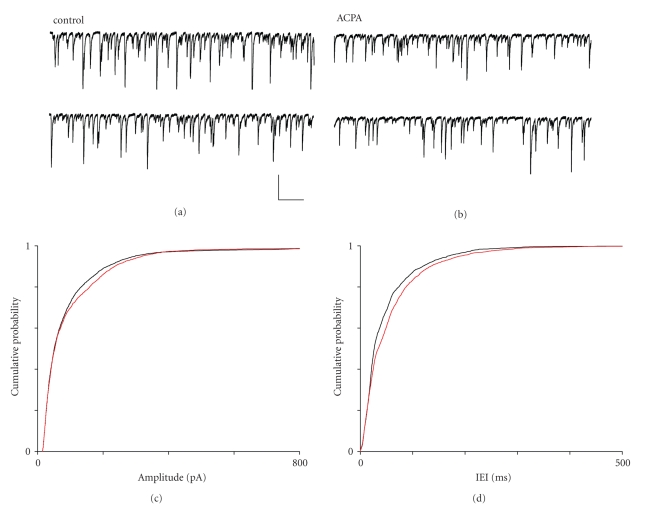
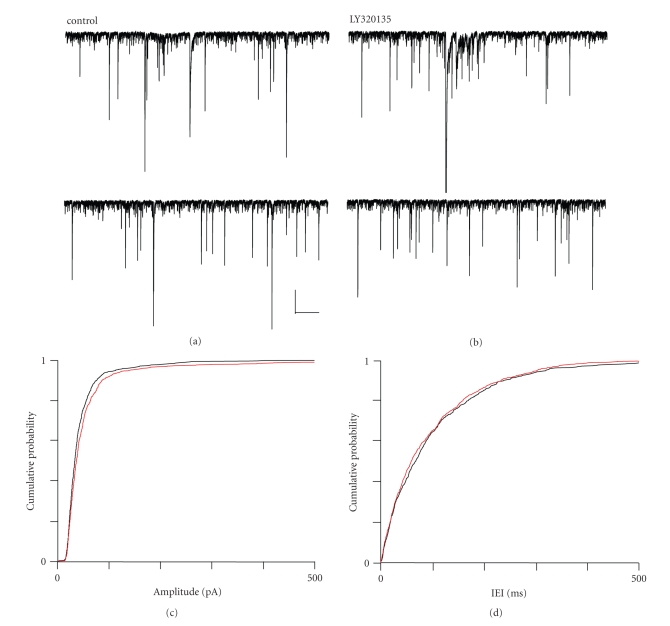
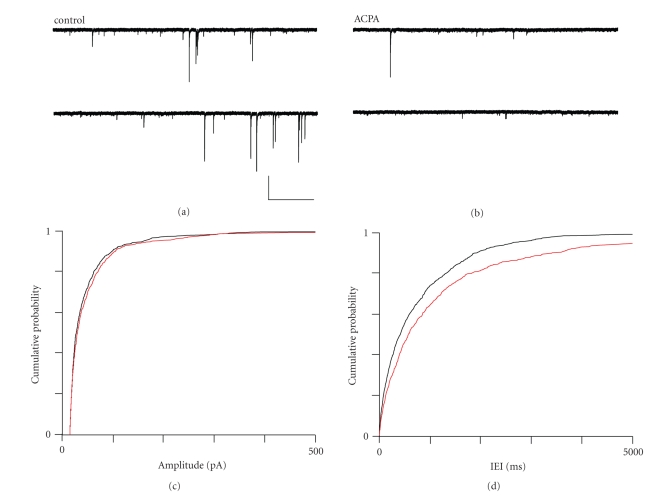
Cannabinoids modulate inhibitory GABAergic neurotransmission in many brain regions. Within the temporal lobe, cannabinoid receptors are highly expressed, and are located presynaptically at inhibitory terminals. Here, we have explored the role of type-1 cannabinoid receptors (CB1Rs) at the level of inhibitory synaptic currents and field-recorded network oscillations. We report that arachidonylcyclopropylamide (ACPA; 10 microM), an agonist at CB1R, inhibits GABAergic synaptic transmission onto both superficial and deep medial entorhinal (mEC) neurones, but this has little effect on network oscillations in beta/gamma frequency bands. By contrast, the CB1R antagonist/inverse agonist LY320135 (500 nM), increased GABAergic synaptic activity and beta/gamma oscillatory activity in superficial mEC, was suppressed, whilst that in deep mEC was enhanced. These data indicate that cannabinoid-mediated effects on inhibitory synaptic activity may be constitutively active in vitro, and that modulation of CB1R activation using inverse agonists unmasks complex effects of CBR function on network activity.
大麻素可调节许多脑区的抑制性γ-氨基丁酸(GABA)能神经传递。在颞叶内,大麻素受体高度表达,且位于抑制性终末的突触前。在此,我们探讨了1型大麻素受体(CB1Rs)在抑制性突触电流和场记录网络振荡水平上的作用。我们报告称,CB1R激动剂花生四烯酰环丙酰胺(ACPA;10微摩尔)可抑制GABA能突触传递至浅层和深层内侧内嗅皮层(mEC)神经元,但对β/γ频段的网络振荡影响不大。相比之下,CB1R拮抗剂/反向激动剂LY320135(500纳摩尔)增加了浅层mEC中的GABA能突触活性和β/γ振荡活性,而深层mEC中的则受到抑制,同时深层mEC中的振荡活性增强。这些数据表明,大麻素介导的对抑制性突触活性的影响在体外可能具有组成性活性,并且使用反向激动剂调节CB1R激活可揭示CBR功能对网络活性的复杂影响。