Negrini Alessandra, Parzini Silvana, Negrini Maria Gabriella, Romano Michele, Atanasio Salvatore, Zaina Fabio, Negrini Stefano
ISICO (Italian Scientific Spine Institute), Via Roberto Bellarmino 13/1, 20121 Milan, Italy.
Scoliosis. 2008 Dec 16;3:20. doi: 10.1186/1748-7161-3-20.
It has been known since many years that scoliosis can continue to progress after skeletal maturity: the rate of progression has shown to be linear, and it can be used to establish an individual prognosis. Once there is progression there is an indication for treatment: usually it is proposed a surgical one. There are very few papers on an alternative rehabilitation approach; since many years we propose specific SEAS exercises and the aim of this study is to present one case report on this approach.
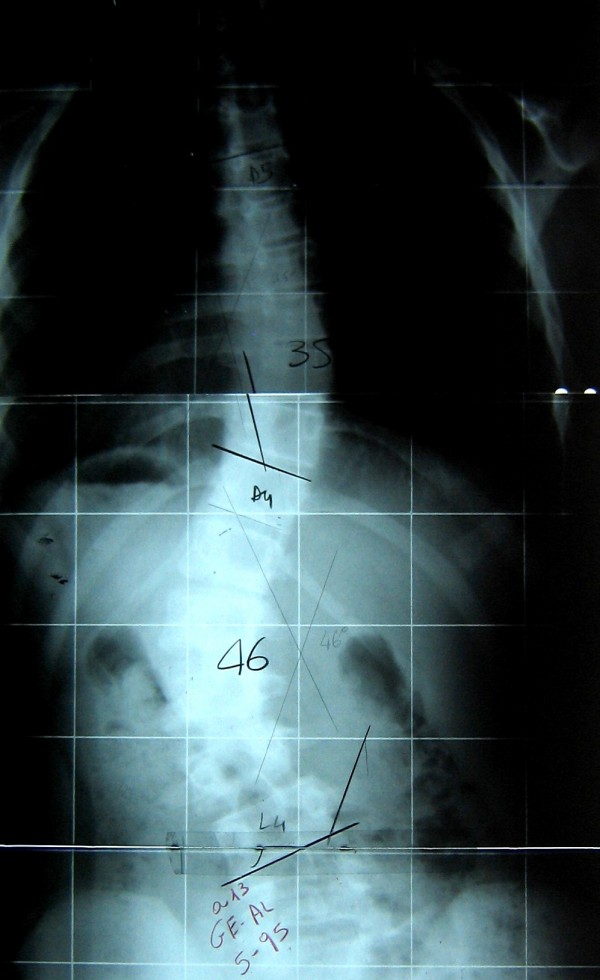
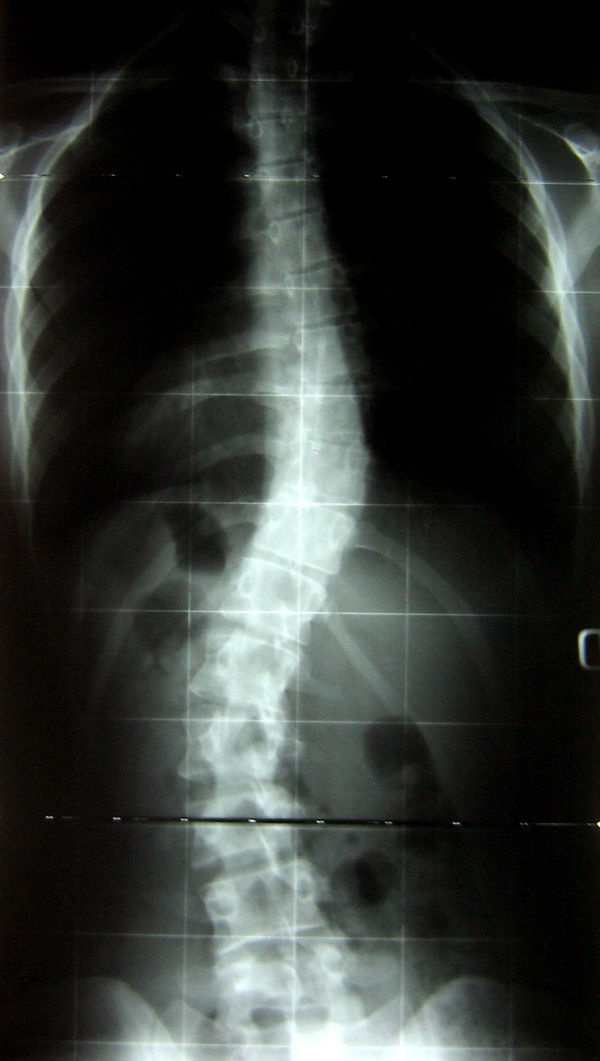
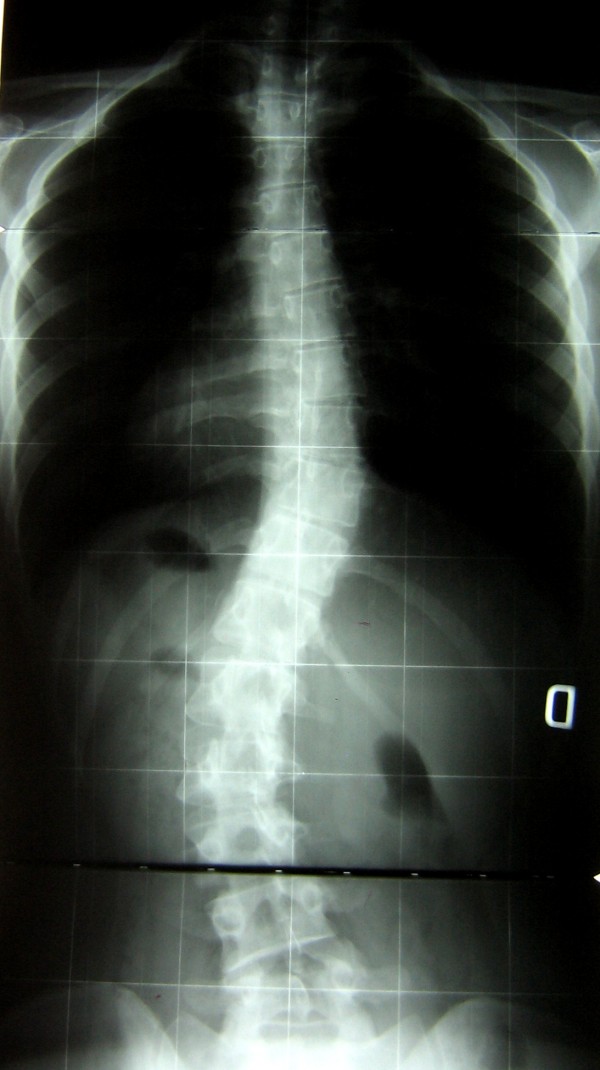
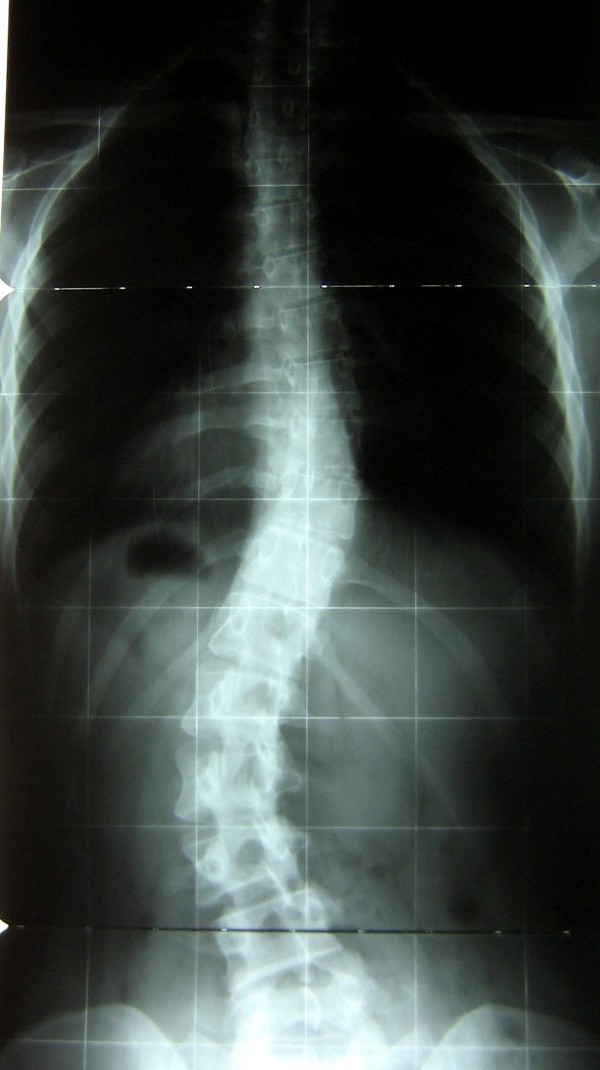
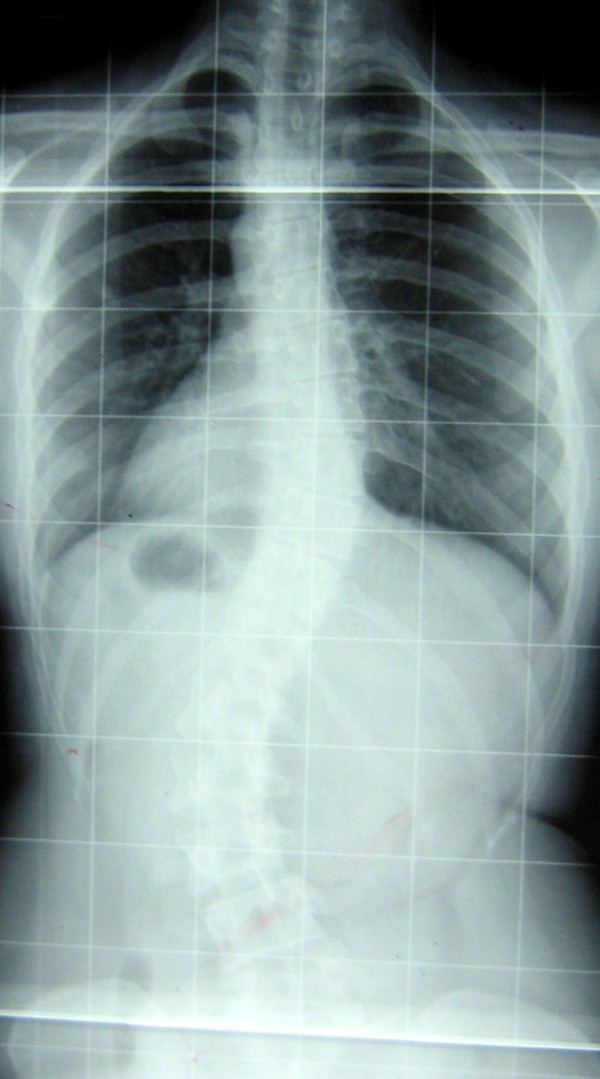
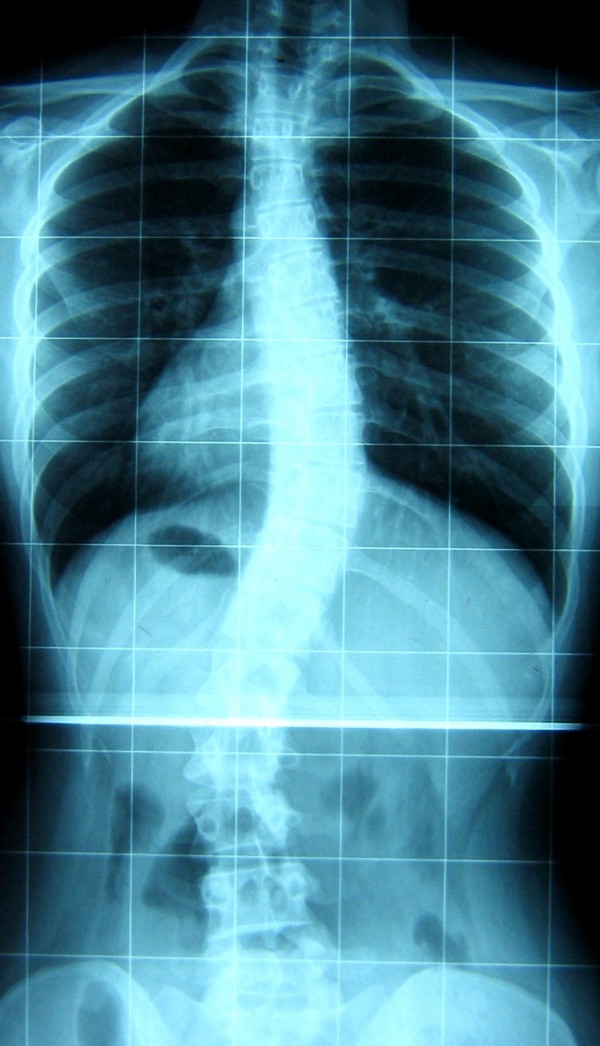
All radiographs have been measured blindly twice using the same protractor by one expert physician whose repeatability error proved to be < 3 degrees Cobb; the average measurement has been used. In this case a 25 years old female scoliosis patient, previously treated from 14 (Risser 1) to 19 years of age with a decrease of the curve from 46 degrees to 37 degrees , showed a progression of 10 degrees Cobb in 6 years. The patient has then been treated with SEAS exercises only, and in one year progression has been reverted from 47 degrees to 28.5 degrees .
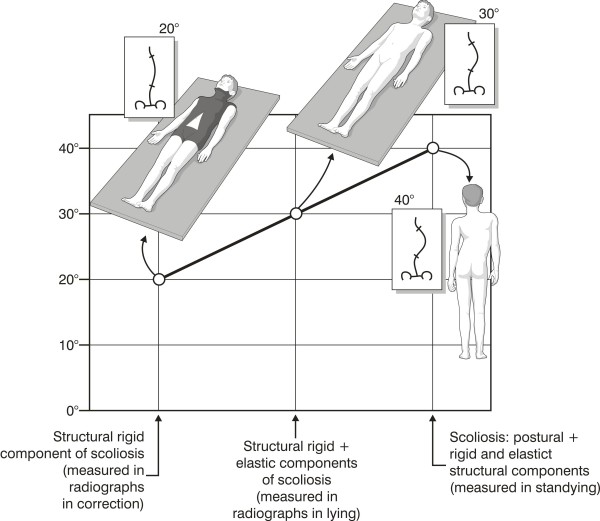
A scoliosis curve is made of different components: the structural bony and ligamentous components, and a postural one that counts up to 9 degrees in children, while it has not been quantified in adults. This case shows that when adult scoliosis aggravates it is possible to intervene with specific exercises (SEAS) not just to get stability, but to recover last years collapse. The reduction of scoliotic curve through rehabilitation presumably does not indicate a reduction of the bone deformity, but rely on a recovery of the upright postural collapse. This reduction can decrease the chronic asymmetric load on the spine and, in the long run, reduce the risks of progression.
多年来已知脊柱侧弯在骨骼成熟后仍可能继续进展:进展速率呈线性,可用于建立个体预后。一旦出现进展就有治疗指征:通常建议手术治疗。关于替代康复方法的论文非常少;多年来我们一直推荐特定的脊柱侧弯运动疗法(SEAS),本研究的目的是呈现一例关于该方法的病例报告。
所有X线片均由一位专家医生使用同一量角器进行两次盲法测量,其重复性误差经证实<3°Cobb角;采用平均测量值。在该病例中,一名25岁的女性脊柱侧弯患者,曾在14岁(Risser 1期)至19岁接受治疗,侧弯角度从46°降至37°,但在6年内Cobb角进展了10°。随后该患者仅接受了脊柱侧弯运动疗法(SEAS)治疗,1年内侧弯进展从47°逆转至28.5°。
脊柱侧弯曲线由不同成分组成:结构性的骨骼和韧带成分,以及姿势性成分,儿童中姿势性成分可达9°,而在成人中尚未量化。该病例表明,当成人性脊柱侧弯加重时,不仅可以通过特定运动(脊柱侧弯运动疗法(SEAS))干预以获得稳定性,还能恢复过去几年的塌陷。通过康复治疗使脊柱侧弯曲线减小,可能并不意味着骨骼畸形的减轻,而是依赖于直立姿势塌陷的恢复。这种减小可降低脊柱长期的慢性不对称负荷,从长远来看,降低进展风险。