Agustin Melissa B, Sengpracha Waya P, Phutdhawong Weerachai
Dept. of Chemistry, Faculty of Science, Maejo University, Sansai, Chiang Mai 50290, Thailand.
Int J Environ Res Public Health. 2008 Sep;5(3):177-80. doi: 10.3390/ijerph5030177.
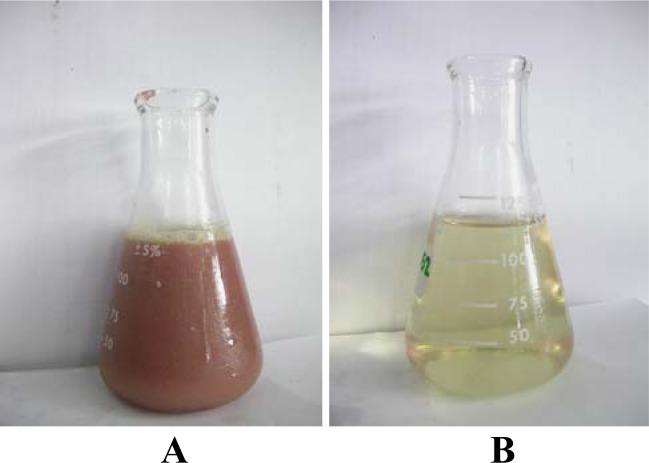
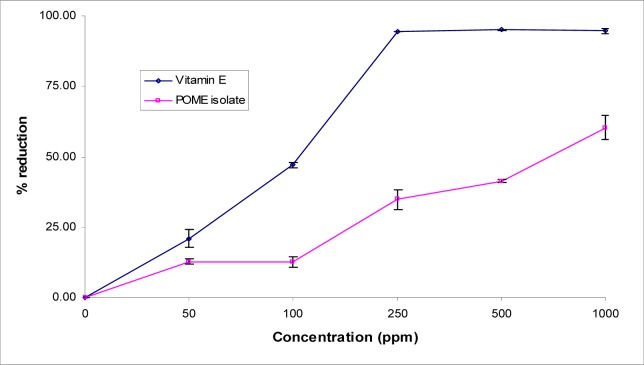
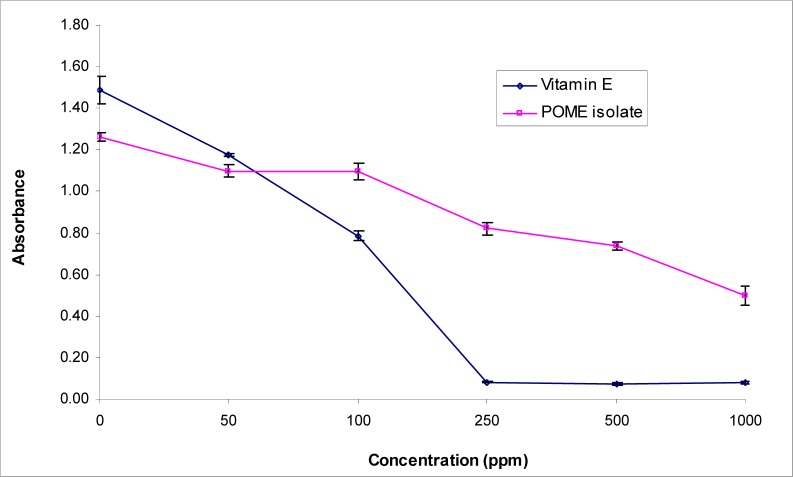
Electrocoagulation (EC) is an electrochemical technique which has been employed in the treatment of various kinds of wastewater. In this work the potential use of EC for the treatment of palm oil mill effluent (POME) was investigated. In a laboratory scale, POME from a factory site in Chumporn Province (Thailand) was subjected to EC using aluminum as electrodes and sodium chloride as supporting electrolyte. Results show that EC can reduce the turbidity, acidity, COD, and BOD of the POME as well as some of its heavy metal contents. Phenolic compounds are also removed from the effluent. Recovery techniques were employed in the coagulated fraction and the recovered compounds was analysed for antioxidant activity by DPPH method. The isolate was found to have a moderate antioxidant activity. From this investigation, it can be concluded that EC is an efficient method for the treatment of POME.
电凝(EC)是一种电化学技术,已被用于处理各类废水。在这项工作中,研究了电凝用于处理棕榈油厂废水(POME)的潜在用途。在实验室规模下,以泰国春蓬府某工厂的棕榈油厂废水为研究对象,使用铝作为电极,氯化钠作为支持电解质进行电凝处理。结果表明,电凝可以降低棕榈油厂废水的浊度、酸度、化学需氧量(COD)、生化需氧量(BOD)以及一些重金属含量。酚类化合物也能从废水中去除。对凝聚部分采用回收技术,并通过二苯基苦味酰基自由基(DPPH)法分析回收化合物的抗氧化活性。发现该分离物具有中等抗氧化活性。从这项研究可以得出结论,电凝是处理棕榈油厂废水的有效方法。